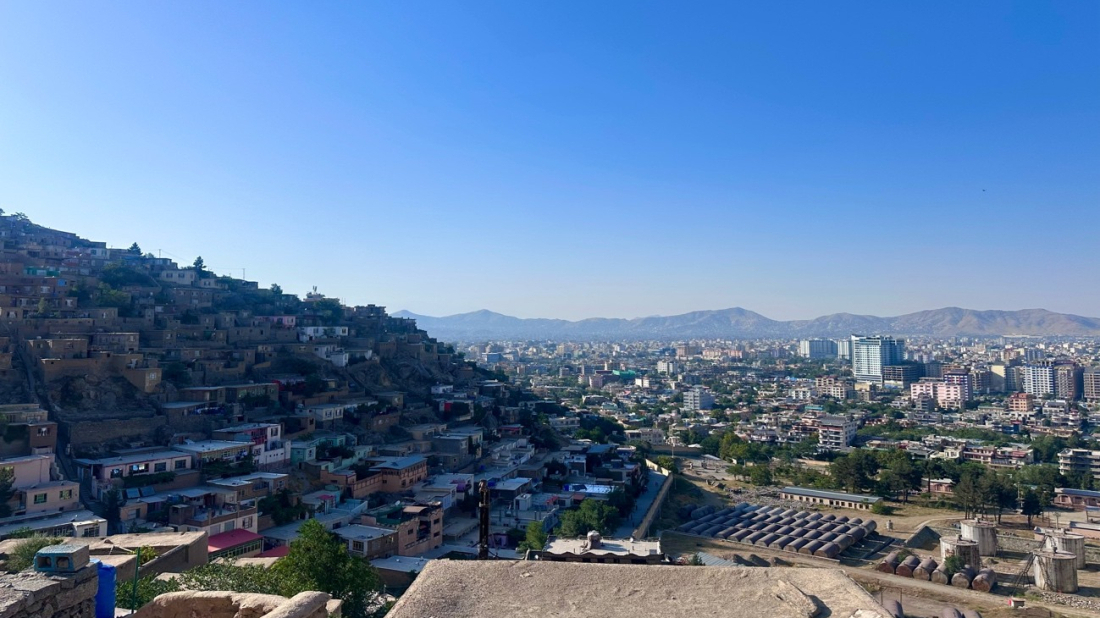
Kabul was rocked by a powerful explosion late Thursday night, with multiple witnesses reporting the sound of fighter jets flying over the city’s airspace.
Initial reports from local media suggested the blast may have been the result of a targeted aerial strike aimed at Tehrik-i-Taliban Pakistan (TTP) Chief Noor Wali Mehsud.
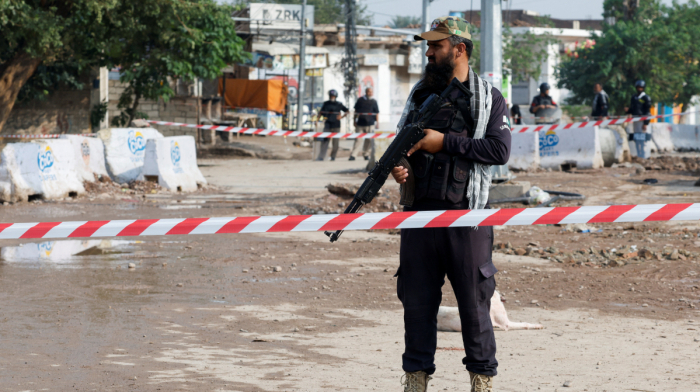
Sources have told Anewz that an SUV was targeted in central Kabul after which the Afghan security forces quickly cordoned off the area.
After the strike, an audio message purported to TTP leader Noor Wali Mehsud was shared on media, confirming he is alive and currently in Pakistan - suggesting the attempt to eliminate him was unsuccessful.
The timing of the explosion is also significant, as it comes a few days after Pakistan’s Defence Minister Khawaja Asif publicly accused Afghanistan of harbouring terrorist groups. He called on the Afghan government to pick a side between Pakistan or the TTP. Khawaja Asif said, “Afghanistan should either side with the terrorists or side with Pakistan.”
Some observers believe the strikes could have been a retaliatory move by Pakistan after 11 security personnel, including a Wing Commander and a Major, were killed in an ambush by TTP-affiliated militants in the Kurram district of Khyber Pakhtunkhwa province, Pakistan.
Analysts in Kabul say Afghanistan’s limited air defence capabilities and the absence of a functioning Afghan Air Force make it nearly impossible to prevent such operations, calling the strikes a clear violation of Afghanistan’s sovereignty.
On Friday afternoon, the Afghan Ministry of Defence released a statement accusing Pakistan of carrying out the strikes in Kabul and Paktika province.
The statement said, “Once again, Pakistan violated Afghanistan’s airspace. This country bombed a civilian market in the Margha region of Paktika province, near the Durand Line, and violated the airspace of the capital, Kabul.”
The statement termed the airstrikes a “violation of Afghanistan’s sovereignty” and condemned them in the “strongest terms.” It further warned, “Following such actions, no matter how critical the situation becomes, the consequences will be borne by the Pakistani army.”
In a press conference by the media wing of the Pakistan military, the ISPR did not accept responsibility for the airstrikes.
However, the Director General of ISPR, Lieutenant General Mohammad Sharif Chaudhry, told reporters that “Afghanistan is being used as a base of operation against Pakistan to conduct terrorism. We have proof and evidence. And I have also said that we will do whatever is necessary to protect the lives and property of Pakistanis.”
The Afghan de facto government has consistently denied the presence of militant groups inside Afghanistan.
Kabul maintains that “it does not permit any group to use Afghan soil to threaten another country’s security.”
Analysts believe these new developments may further strain the already fragile relations between Islamabad and Kabul and could usher in a dangerous new chapter in regional security dynamics.


















What is your opinion on this topic?
Leave the first comment