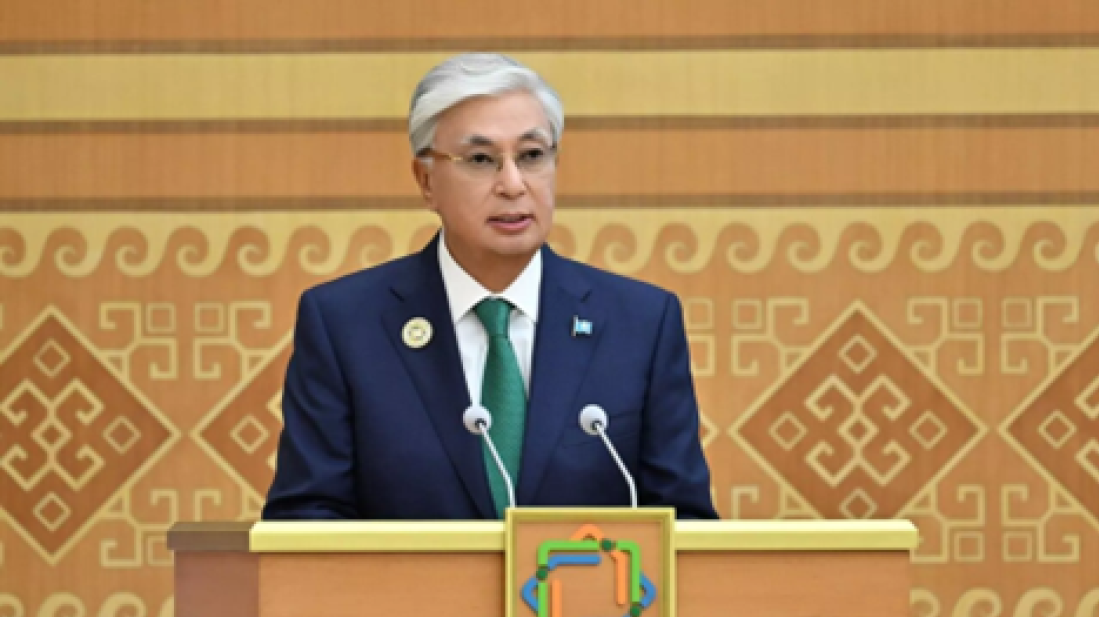
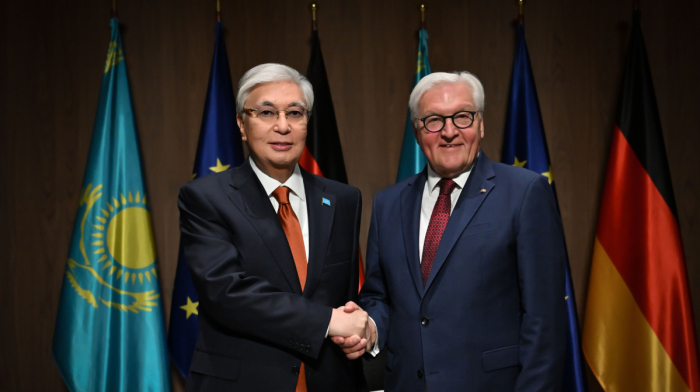
President Kassym-Jomart Tokayev of Kazakhstan will travel to New York from the 21st to 23rd September for a working visit, during which he will participate in the 80th session of the United Nations General Assembly (UNGA).
According to Akorda, in addition to attending plenary sessions, negotiations are planned with heads of several states and international organisations.
The programme also includes a roundtable with American business leaders and meetings with executives of major international companies.
In his speeches, Tokayev traditionally emphasizes the need to reform the UN, particularly the Security Council. He acknowledges the organisation’s achievements over the past eight decades, more than 70 peacekeeping missions, stabilisation of conflict zones, protection of civilians, and provision of humanitarian aid.
At the same time, the President points out limitations, the veto power and insufficient representation of Asian, African and Latin American countries in key UN bodies often lead to deadlocks and reduce the effectiveness of decisions.
Given the current international situation, Tokayev rejects the view that the UN has become outdated.
Instead, he proposes modernising the multilateral system by strengthening the role of developing countries and middle powers in regional issues, supported by the UN mandate.
As an example, he cites the Regional UN Centre for Sustainable Development Goals for Central Asia and Afghanistan, opened in Almaty.
According to him, this model of cooperation with regional structures can also be applied in other regions, such as the Sahel, Southeast Asia and Latin America, which should increase the system’s flexibility and inclusiveness.
One of the key reform issues the president highlights is updating the composition of the Security Council to expand participation of countries outside the permanent five, the U.S., the U.K., France, Russia and China.
According to the President, this approach will enable the organisation to respond effectively to modern security challenges.
At the same time, Kazakhstan continues active cooperation with the U.S. In 2024, trade turnover between the countries amounted to $4.2 billion, an increase of 4% from the previous year.
The main export items from Kazakhstan to the U.S. include crude oil, more than 56%, uranium, about 16%, silver, 12%, iron alloys, 9.5%, and tantalum and tantalum products.
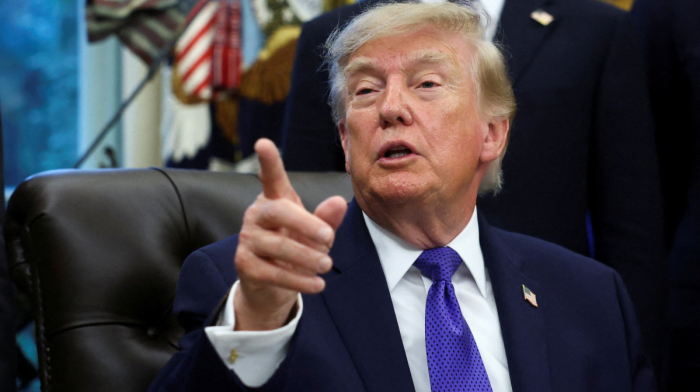
It is worth noting that on 7 September, former U.S. President Donald Trump indicated the possibility of visiting Kazakhstan, emphasising the positive nature of his communication with Kassym-Jomart Tokayev.
Tokayev’s working visit to New York comes amid Kazakhstan’s active engagement in discussions on reforming international organisations and strengthening regional cooperation. The visit highlights the country’s interest in contributing to solutions for pressing global issues.















What is your opinion on this topic?
Leave the first comment