live Israeli military says it has launched fresh strikes on Tehran and Beirut: All the latest news on the Iran strikes
The Israeli military has begun a new wave of strikes on Tehran, it said late on Monday. The strikes came after it issued...
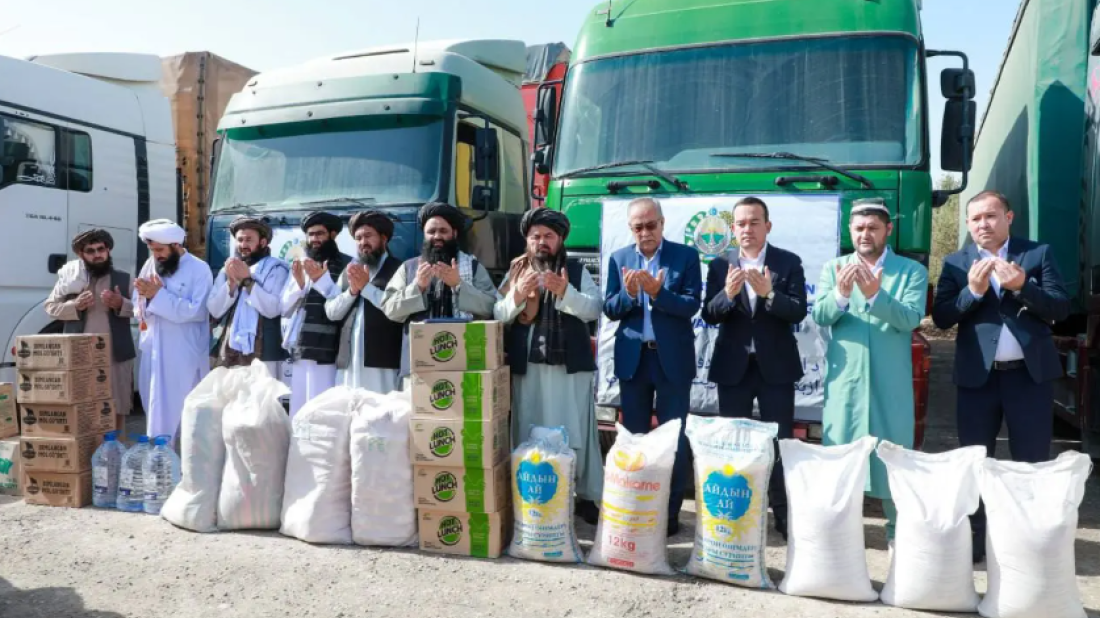
Uzbekistan has sent humanitarian aid to Afghanistan following the series of earthquakes and aftershocks that hit the country last week causing thousand of deaths and leaving thousands others displaced.
A convoy of 14 trucks departed from Termez, delivering nearly 265 tons of essential goods to Balkh Province.
The shipment included flour, rice, sugar, pasta, vegetable oil, beans, and other food products, as well as medicines and more than five thousand blankets.
The cargo was officially handed over at the Hairatan border crossing. During the ceremony, representatives from both sides stressed the importance of timely assistance in times of crisis and emphasized the tradition of good-neighborly relations.
At the same time, Uzbekistan is deepening long-term cooperation with Afghanistan through a major energy initiative.
The Ministry of Energy of Uzbekistan and Afghanistan’s national electricity company, Da Afghanistan Breshna Sherkat, have signed an agreement worth $250 million to modernize the country’s power infrastructure.
The agreement covers several large-scale projects. A 500-kilovolt transmission line will be constructed from Surkhan to Pul-i-Khumri, while the Arghandi substation near Kabul will be expanded to handle higher capacity.
In addition, a new 220-kilovolt line will connect to the Sheikh Mesri substation, and the substation itself will undergo complete modernization in Nangarhar Province.
Upon completion, these projects are expected to enable Afghanistan to import between 800 and 1,000 megawatts of electricity from Uzbekistan.
This will help stabilize power supply in central and southern provinces, ensuring more reliable electricity for households, businesses, industry, and essential services.
Together, these humanitarian and investment efforts highlight a practical and steadily developing partnership between Uzbekistan and Afghanistan.

Follow the latest developments and global reaction after the U.S. and Israel launched “major combat operations” in Iran, prompting retaliation from Tehran.
The Kremlin is utilising the recent United States and Israeli military strikes on Iran to validate its ongoing war in Ukraine. Russian officials are pointing to the escalation in the Middle East as evidence that Western nations do not adhere to international rules.
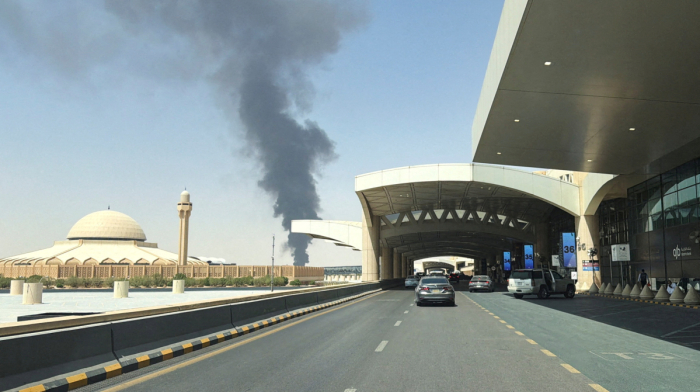
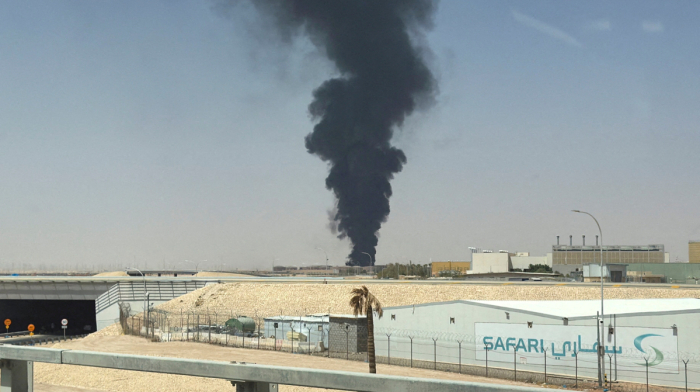
Saudi Arabia’s state oil giant Saudi Aramco closed its Ras Tanura refinery on Monday following an Iranian drone strike, an industry source told Reuters as Tehran retaliated across the Gulf after a U.S.-Israeli attack on Iranian targets over the weekend.
The Middle East crisis intensifies after the deadly attack on the compound of the Supreme Leader of Iran Ali Khamenei on Saturday that killed him, other family members and senior figures. Iran has launched retaliatory strikes on U.S. targets in the region.
Ayatollah Alireza Arafi has moved into a pivotal constitutional role following the death of Supreme Leader Ayatollah Ali Khamenei, becoming the clerical member of Iran’s temporary leadership council under Article 111 of the Constitution of the Islamic Republic of Iran.
The Israeli military has begun a new wave of strikes on Tehran, it said late on Monday. The strikes came after it issued an evacuation warning for residents in Tehran, particularly those residing near state broadcaster IRIB's headquarters.
Kazakhstan has vowed to speed up its investigation into the Azerbaijan Airlines (AZAL) crash near Aktau, as mounting diplomatic pressure and geopolitical tensions push the disaster further into the international spotlight.
Entrances to Iran's underground and previously bombed uranium-enrichment plant at Natanz have been struck as part of the U.S.-Israeli military attacks on the country, the United Nations nuclear watchdog, the International Atomic Energy Agency (IAEZ) confirmed on Tuesday (3 March).
The Israeli military deployed additional forces to southern Lebanon overnight, to take up what a military spokesperson on Tuesday (3 March) described as "defensive positions" aimed at protecting Israeli civilians and strategic sites from potential Hezbollah attacks.
Shahid Motahari Sub-Speciality Hospital in northern Tehran and parts of the Golestan Palace were bombed on day two of the U.S.‑Israel strikes. AnewZ Touraj Shiralilou is in Iran's capital city and said that the facility was flattened in an airstrike.
You can download the AnewZ application from Play Store and the App Store.
What is your opinion on this topic?
Leave the first comment