live Iran’s Supreme Leader Ayatollah Ali Khamenei is dead
Follow the latest developments and global reaction after the U.S. and Israel launched “major combat operations” in Iran, prompting reta...
Tech company Xiaomi says it will consider selling its electric vehicles (EV) outside China starting in 2027, CEO Lei Jun said, citing strong local demand for its SU7 sedan and newly launched YU7 SUV.
Speaking during a livestream on Wednesday, Lei Jun said the company must prioritise domestic orders before looking abroad.
“We’ll strive to ramp up capacity,” he added, without detailing plans to address long waiting times.
Xiaomi’s SU7 electric sedan has outsold Tesla’s Model 3 in China on a monthly basis since December, while the YU7 SUV attracted strong interest, receiving a surge of orders within 18 hours of its launch on 27 June. Customers have since been told they may wait more than a year for delivery, prompting complaints on social media.
The firm had previously identified 2027 as a potential starting point for international EV shipments but had not confirmed its intention until now.
Xiaomi, known primarily for smartphones, is among a growing number of Chinese tech companies entering the electric vehicle market. The company’s early sales success reflects growing domestic appetite for homegrown EV brands and pressure on global rivals like Tesla.
Shares in Xiaomi have surged to a record high following the YU7’s debut. However, concerns over production capacity and fulfilment timelines remain, as the company works to establish itself as a serious automotive contender.

Follow the latest developments and global reaction after the U.S. and Israel launched “major combat operations” in Iran, prompting retaliation from Tehran.
Tensions between the U.S. and Iran are escalating, with Washington ordering a significant military build-up in the region and multiple countries evacuating diplomatic staff amid fears of further instability.
Two people were killed and around 40 injured when a tram derailed in central Milan on Friday (27 February), a spokesperson for the local fire service said.
Governments across the region responded swiftly to Israel’s strikes on Iran, closing airspace, issuing travel advisories and activating contingency plans amid fears of escalation.
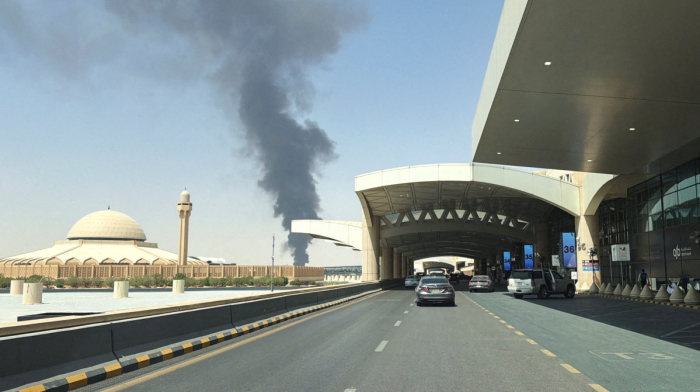
Pakistani air strikes hit a weapons depot on the western outskirts of Kabul overnight, triggering hours of secondary explosions that rattled homes across the Afghan capital and left residents fearing further violence.
Follow the latest developments and global reaction after the U.S. and Israel launched “major combat operations” in Iran, prompting retaliation from Tehran.
Journalist and International Affairs Commentator, Tom Gross, joined AnewZ from Tel Aviv to tell us why he thinks the attack happened now and whether this could mark the beginning of the end for the Iranian leadership.
Following the U.S.-Israel strikes, Iran has called for an urgent meeting of the United Nations Security Council to be held on Monday (2 March), and vowed strong retaliation to the attacks. Touraj Shiralilou sent this update from Tehran.
The international reaction to the U.S. and Israel’s strikes on Iran came in fast and strong.
Governments across the region responded swiftly to Israel’s strikes on Iran, closing airspace, issuing travel advisories and activating contingency plans amid fears of escalation.
You can download the AnewZ application from Play Store and the App Store.
What is your opinion on this topic?
Leave the first comment