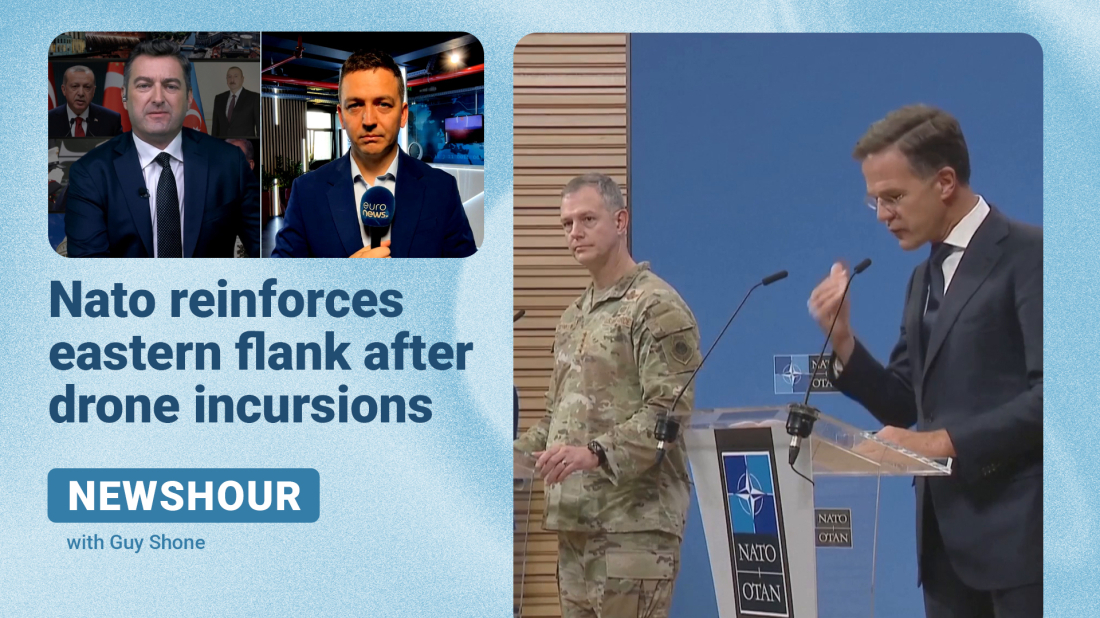
Europe’s security crisis deepens as NATO faces fresh challenges on its eastern frontier. In Poland, drones crossing into national airspace were shot down — the first time a NATO member has directly engaged Russian targets since the war in Ukraine began. Days later, Romania reported fragments of Russian drones landing on its territory during strikes on Ukrainian ports along the Danube. Both incidents have raised urgent questions about how far NATO is prepared to go in defending its borders, and whether Russia is deliberately probing the alliance’s defences.
In Brussels, NATO leaders pledged to reinforce their eastern flank, stressing that violations of allied territory cannot be tolerated. The alliance’s Secretary General, alongside top commander General Alexus Grynkewich, addressed the growing concerns in a high-profile briefing.
Meanwhile, Russia and Belarus are pressing ahead with their Zapad-2025 exercises, involving tens of thousands of troops on training grounds close to NATO members Poland, Lithuania, and Latvia. Moscow insists the drills are routine, but their timing has unsettled European capitals.
Join us as we break down the significance of these developments — and what they mean for the future of NATO and Europe’s security.
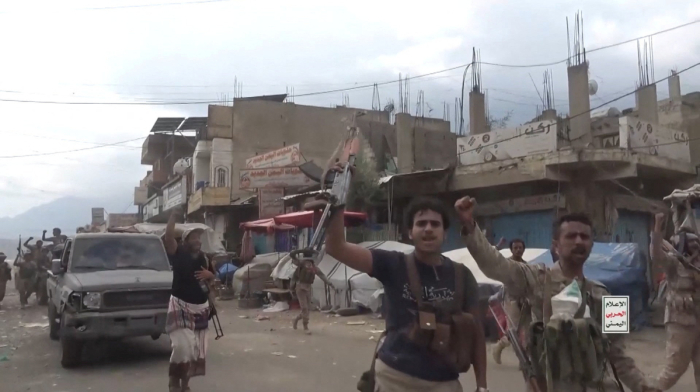
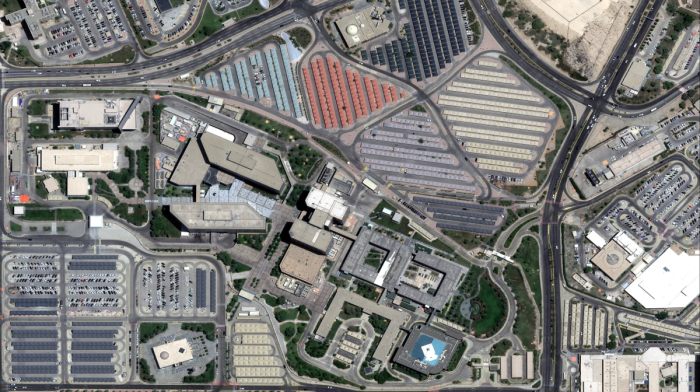
Yemen’s Houthis have claimed responsibility for the recent drone and missile strikes on Saudi Aramco facilities in Dhahran and Riyadh and at King Khalid International Airport in Saudi Arabia, vowing to carry out more attacks in the coming days.
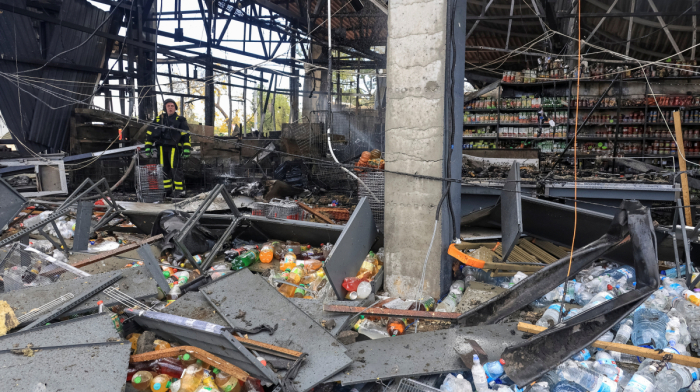
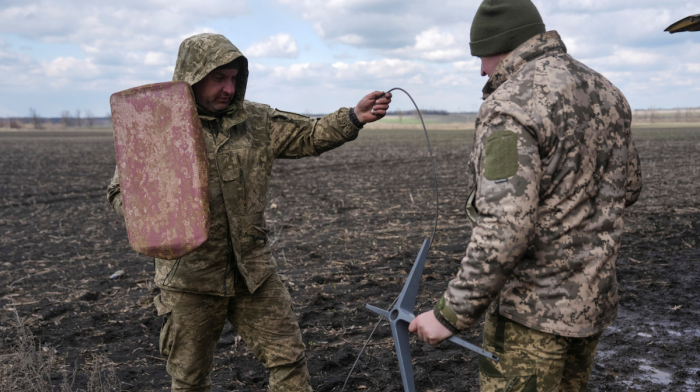
Ukraine's soldiers have had their access to Starlink satellite internet restricted. Kyiv's troops use the terminals, made by Elon Musk's SpaceX, to pilot drones. A source in Ukraine's Defence Ministry said the restrictions would make it harder for Kyiv's army to down Russian drones.
Ukraine is set to restart attacks on Russian oil refineries following a two-day pause, President Volodymyr Zelenskyy said, amid growing tensions with Washington over energy strikes and U.S. military support.
Kenya has confirmed a second case of Ebola, intensifying efforts to prevent the spread of the virus after the country recorded its first-ever infection earlier this month.
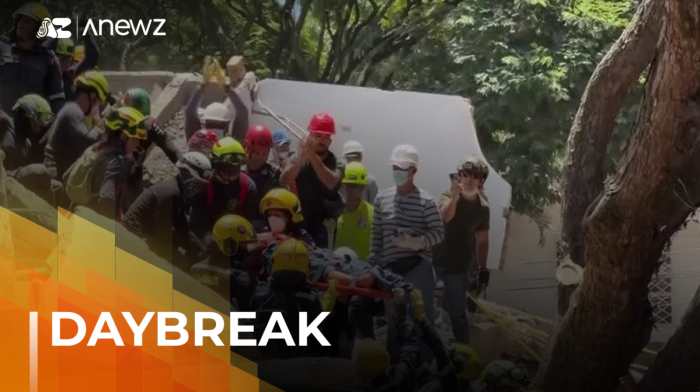
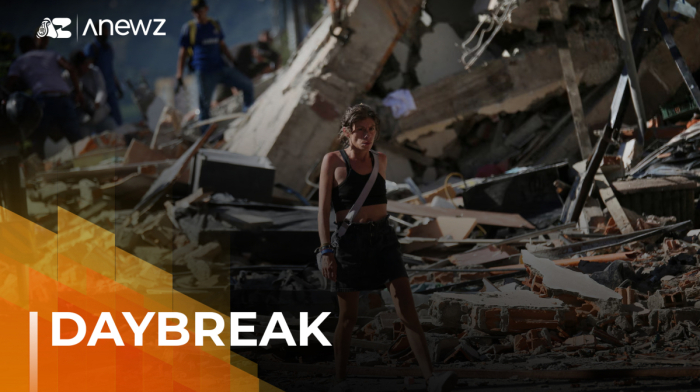
On 12 August, AnewZ’s Daybreak focused on the aftermath of Colombia’s devastating earthquake, tensions surrounding Iran and the Strait of Hormuz, growing Russia-North Korea military cooperation and security and environmental challenges across the Caspian and Black Sea regions.
On 11 August, AnewZ’s Daybreak examined U.S. President Donald Trump’s new demands for Iran, Russia-Iran cooperation and regional connectivity through the South Caucasus alongside key political, security and climate developments worldwide.
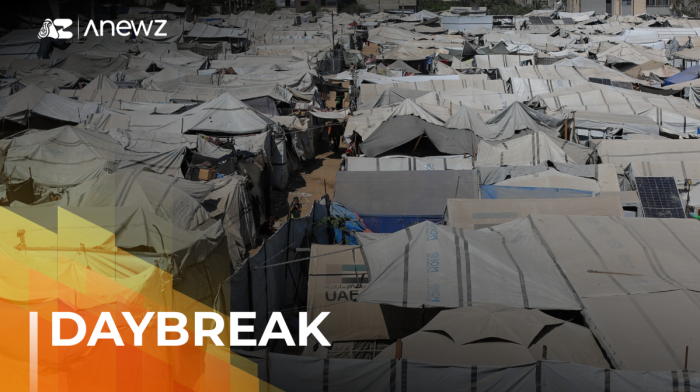
On 10 August, AnewZ’s Daybreak focused on developments in Gaza, Lebanon-Israel negotiations, Iran’s position on talks with Washington and the latest global security and climate-related challenges.
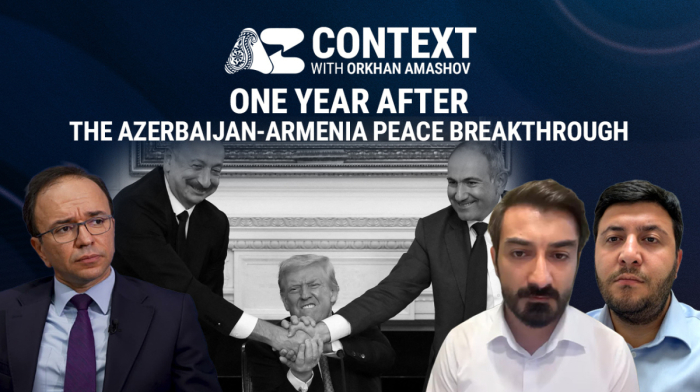
The 8 August commemorative edition of AnewZ's Context looked back on the year since the Washington breakthrough, examining how the initialling of the Azerbaijan-Armenia peace agreement and the launch of the Trump Route for International Peace and Prosperity have reshaped regional politics.
Download the AnewZ app
You can download the AnewZ application from Play Store and the App Store.













What is your opinion on this topic?
Leave the first comment