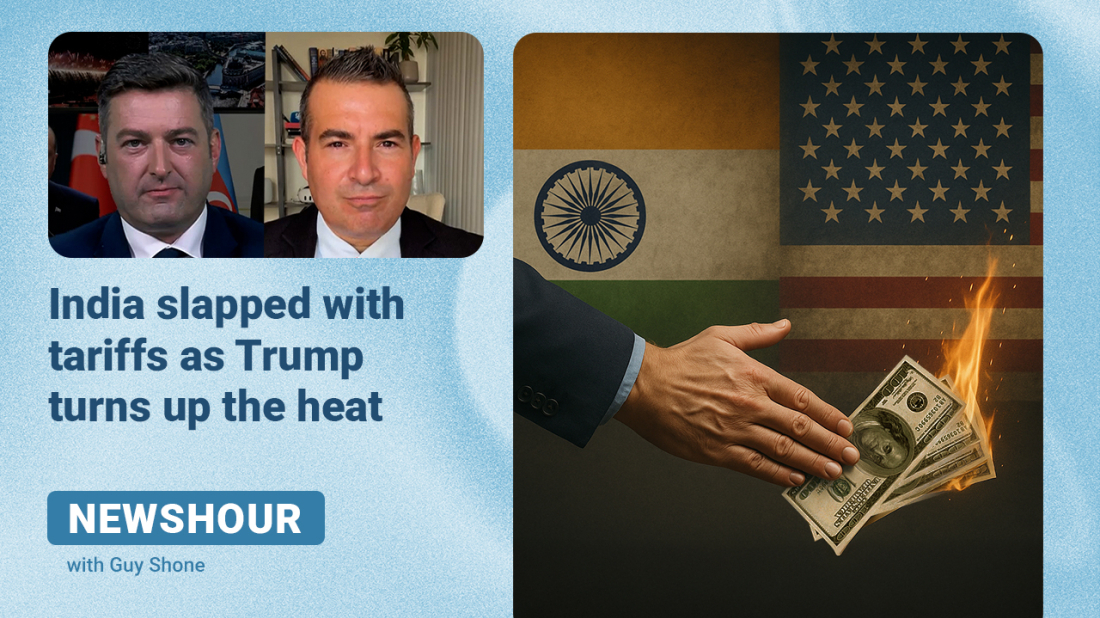
India is facing one of the toughest trade crackdowns in its history. The United States has announced an additional 25% tariff on all Indian-origin goods, effective from Wednesday (27 August), pushing total duties as high as 50%. Washington’s move, triggered by New Delhi’s increased purchases of Russian oil, is already sending shockwaves through India’s economy. The rupee has slipped, stock markets are unsteady, and exporters warn of mounting challenges ahead.
Indian officials argue the measures are unfair, pointing out that Europe and China have not faced similar penalties despite their energy ties to Moscow. Foreign Minister Subrahmanyam Jaishankar insists that negotiations with Washington are ongoing, but progress has been slow.
Prime Minister Narendra Modi is preparing to head to China for the Shanghai Cooperation Organisation summit, where New Delhi is expected to signal its intent to deepen ties with Asian partners. Analysts suggest India could seek fresh trade partnerships across Latin America and the Middle East as it braces for prolonged pressure from Washington.
Tonight on NewsHour, we speak to correspondents in New Delhi and Washington to unpack what these tariffs mean for India’s economy, its global partnerships, and its future trade strategy.
Three people have been killed and around 15 injured after Russian ballistic missiles struck three bridges over the Dnipro River in Kyiv, according to the Ukrainian capital’s mayor, Vitali Klitschko.
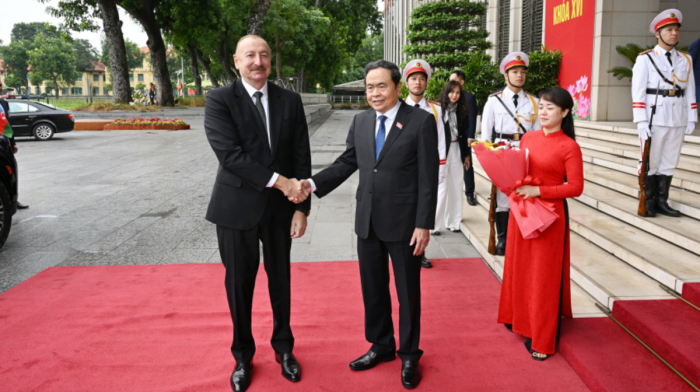
Azerbaijani President Ilham Aliyev met Vietnamese Prime Minister Le Minh Hung in Hanoi on 20 November, during a visit highlighting the longstanding friendship and growing strategic partnership between the two countries.
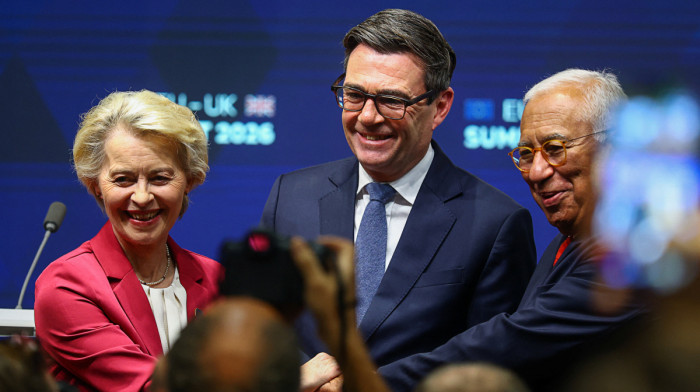
Britain and the European Union have reached an agreement to ease trade, expand opportunities for young people and deepen economic ties, in a major step towards rebuilding relations after Brexit.
Georgia has declared 22 November 2026 a national day of mourning following a deadly residential building collapse in the Kvemo Ponichala district of Tbilisi.
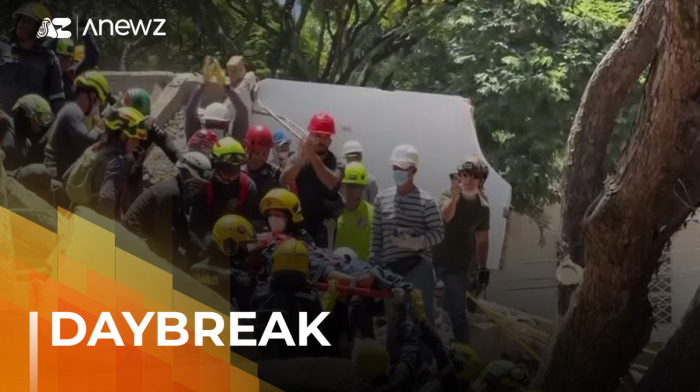
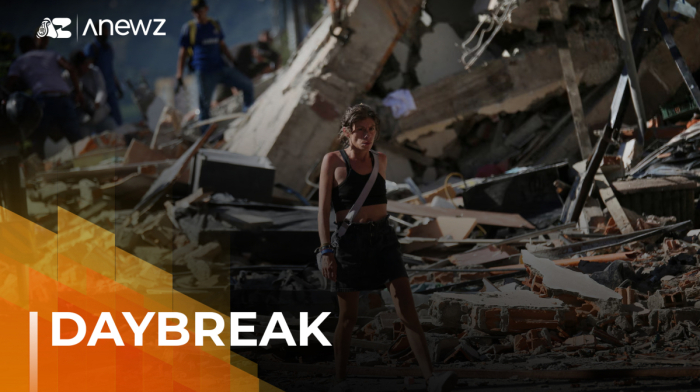
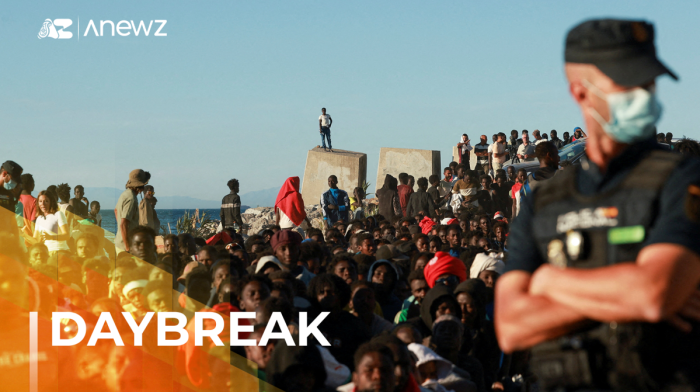
On 12 August, AnewZ’s Daybreak focused on the aftermath of Colombia’s devastating earthquake, tensions surrounding Iran and the Strait of Hormuz, growing Russia-North Korea military cooperation and security and environmental challenges across the Caspian and Black Sea regions.
On 11 August, AnewZ’s Daybreak examined U.S. President Donald Trump’s new demands for Iran, Russia-Iran cooperation and regional connectivity through the South Caucasus alongside key political, security and climate developments worldwide.
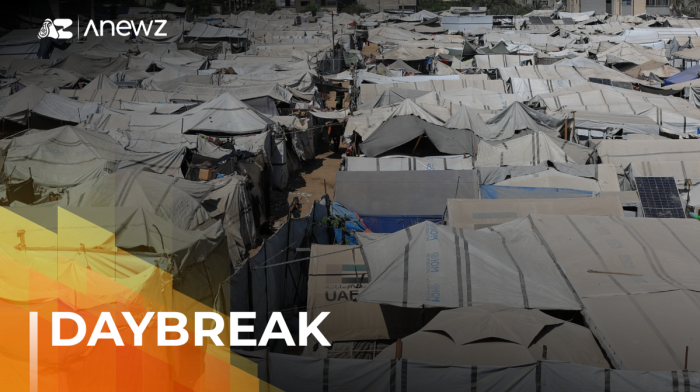
On 10 August, AnewZ’s Daybreak focused on developments in Gaza, Lebanon-Israel negotiations, Iran’s position on talks with Washington and the latest global security and climate-related challenges.
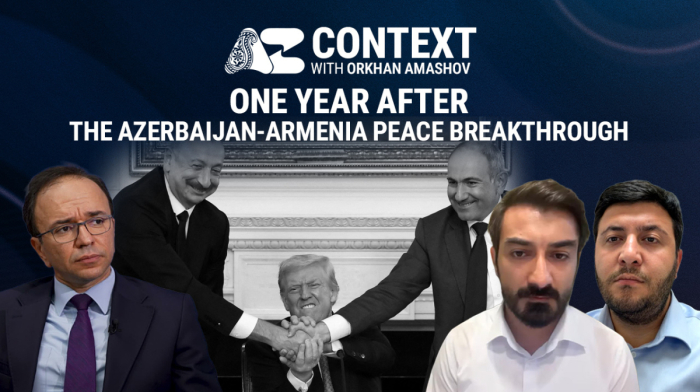
The 8 August commemorative edition of AnewZ's Context looked back on the year since the Washington breakthrough, examining how the initialling of the Azerbaijan-Armenia peace agreement and the launch of the Trump Route for International Peace and Prosperity have reshaped regional politics.
Download the AnewZ app
You can download the AnewZ application from Play Store and the App Store.











What is your opinion on this topic?
Leave the first comment