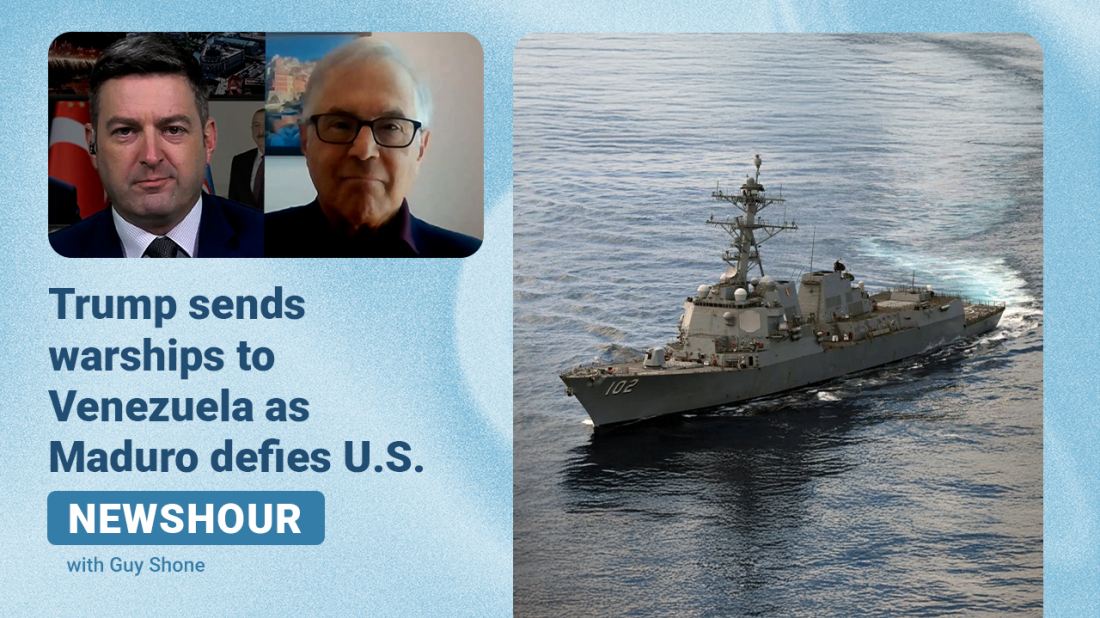
The United States has escalated its standoff with Venezuela, deploying three naval destroyers to the Caribbean in what Washington calls a renewed push against drug cartels. Officials say the mission aims to disrupt narcotics flows into American cities, but the move also underscores the White House’s refusal to recognise Nicolás Maduro as Venezuela’s legitimate president.
Relations between the two nations have long been strained, but under Donald Trump they reached a new level of confrontation. His administration imposed sweeping sanctions, backed opposition leader Juan Guaidó, and accused Maduro of running what U.S. prosecutors described as a “narco-terrorist” network. Federal indictments and asset seizures followed, while Caracas responded with accusations of imperial aggression and calls for resistance.
The latest deployment deepens this cycle of hostility. While U.S. forces present the operation as counter-narcotics, Venezuela has mobilised its militias and insists foreign troops will never dictate its future. For Washington, the move signals both resolve and reach, but for Caracas it reinforces the narrative of sovereignty under siege.
In this edition of NewsHour, Guy Shone examines the history of U.S.–Venezuela relations, the political stakes of the naval presence, and what might lie ahead for one of the hemisphere’s most fraught rivalries.
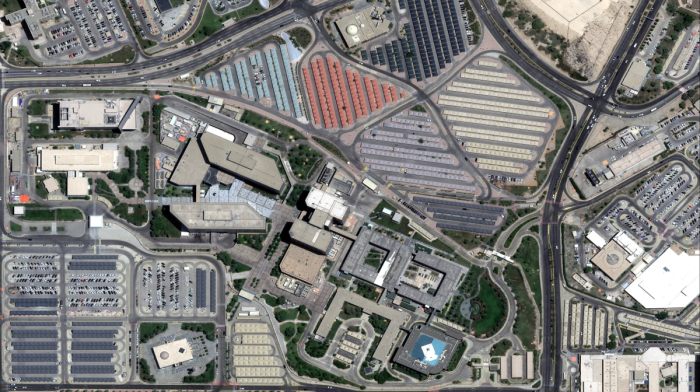
Yemen’s Houthis have claimed responsibility for the recent drone and missile strikes on Saudi Aramco facilities in Dhahran and Riyadh and at King Khalid International Airport in Saudi Arabia, vowing to carry out more attacks in the coming days.
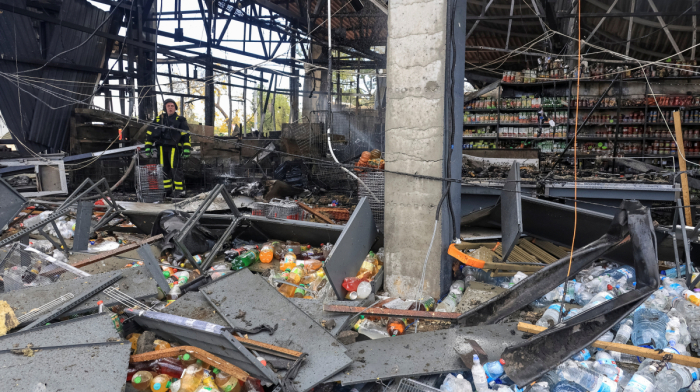
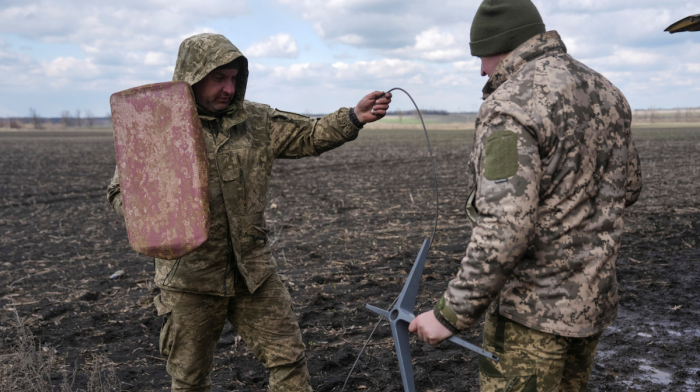
Ukraine's soldiers have had their access to Starlink satellite internet restricted. Kyiv's troops use the terminals, made by Elon Musk's SpaceX, to pilot drones. A source in Ukraine's Defence Ministry said the restrictions would make it harder for Kyiv's army to down Russian drones.
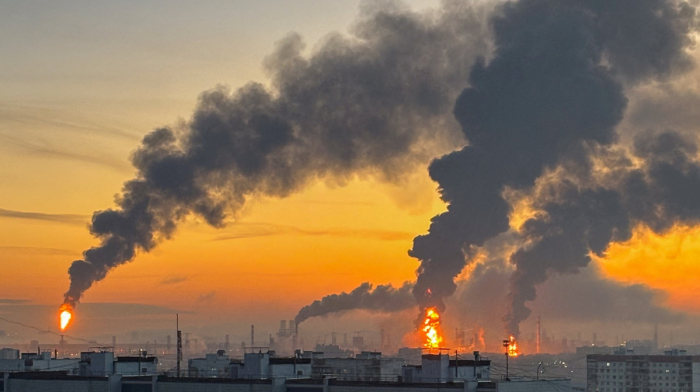
Ukraine is set to restart attacks on Russian oil refineries following a two-day pause, President Volodymyr Zelenskyy said, amid growing tensions with Washington over energy strikes and U.S. military support.
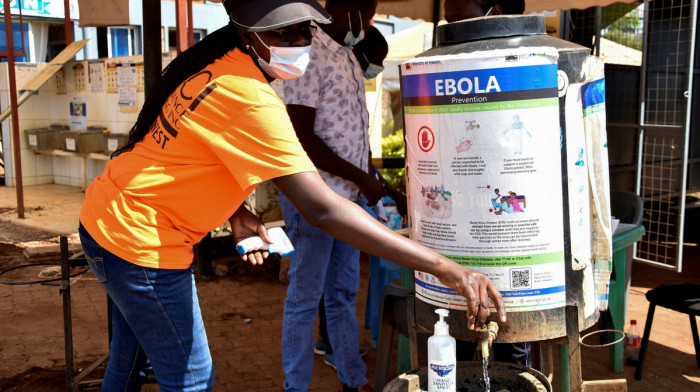
Kenya has confirmed a second case of Ebola, intensifying efforts to prevent the spread of the virus after the country recorded its first-ever infection earlier this month.
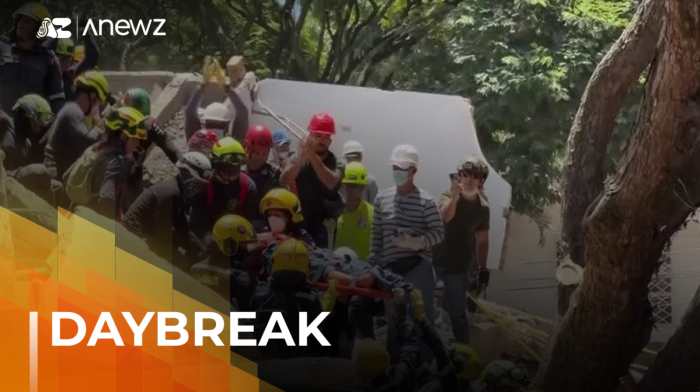
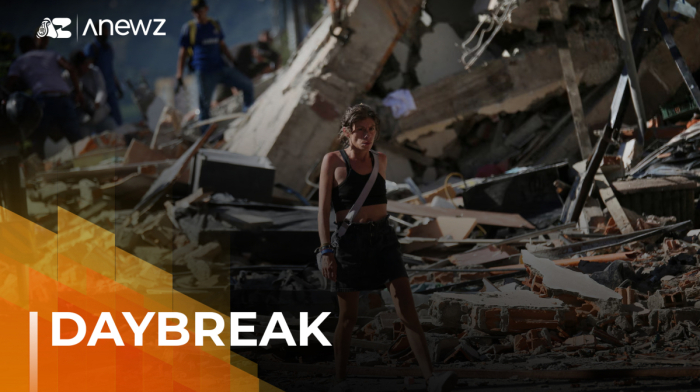
On 12 August, AnewZ’s Daybreak focused on the aftermath of Colombia’s devastating earthquake, tensions surrounding Iran and the Strait of Hormuz, growing Russia-North Korea military cooperation and security and environmental challenges across the Caspian and Black Sea regions.
On 11 August, AnewZ’s Daybreak examined U.S. President Donald Trump’s new demands for Iran, Russia-Iran cooperation and regional connectivity through the South Caucasus alongside key political, security and climate developments worldwide.
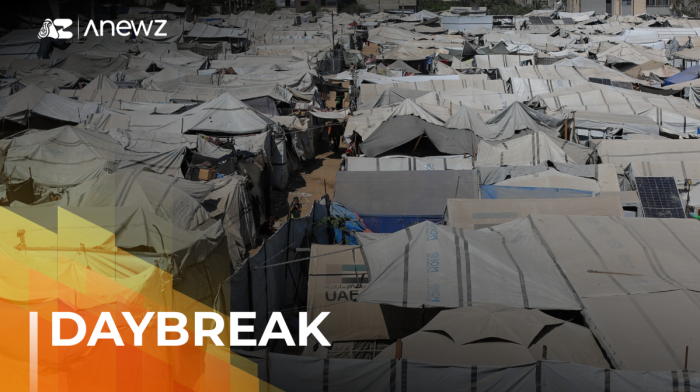
On 10 August, AnewZ’s Daybreak focused on developments in Gaza, Lebanon-Israel negotiations, Iran’s position on talks with Washington and the latest global security and climate-related challenges.
The 8 August commemorative edition of AnewZ's Context looked back on the year since the Washington breakthrough, examining how the initialling of the Azerbaijan-Armenia peace agreement and the launch of the Trump Route for International Peace and Prosperity have reshaped regional politics.
Download the AnewZ app
You can download the AnewZ application from Play Store and the App Store.













What is your opinion on this topic?
Leave the first comment