live U.S.-Iran standoff continues as Hormuz shipping and diplomacy remain uncertain
Shipping traffic through the Strait of Hormuz remains limited on Thursday, with no increase in vessel crossings as U.S.-Iran talks to res...
In a special edition of Context, Orkhan Amashov reports from Washington on the inaugural meeting of the Board of Peace, examining plans for Gaza’s reconstruction, a proposed stabilisation force, and the wider diplomatic impact of the U.S.-led initiative.
On the programme, he is joined by AnewZ's correspondent in Washington, D.C., Oubai Shahbandar. They examine the reconstruction of Gaza, the establishment of an international stabilisation force, and how the Board intends to coordinate humanitarian aid and governance in the war-affected region.
The discussion also considers the wider implications of the U.S.-led initiative for global diplomacy, the Board’s U.S.-centred approach, and the complex challenge of achieving consensus among twenty-three heads of state and government. Amashov and Shahbandar offer insight into how the Board’s decisions could shape the geopolitical landscape, influence multilateral diplomacy, and affect the future of international peacekeeping.
How quickly can Gaza be rebuilt? Can member states work together effectively? And, in the long term, could this initiative reshape - or even replace - the traditional role of the United Nations?
Watch the full discussion in the YouTube video above for answers direct from Washington.

The collective-defence agreement between Türkiye, Saudi Arabia and Pakistan signals that regional powers no longer want to rely solely on external security guarantees. Whether it becomes a stabilising deterrent or another axis of rivalry remains unresolved.
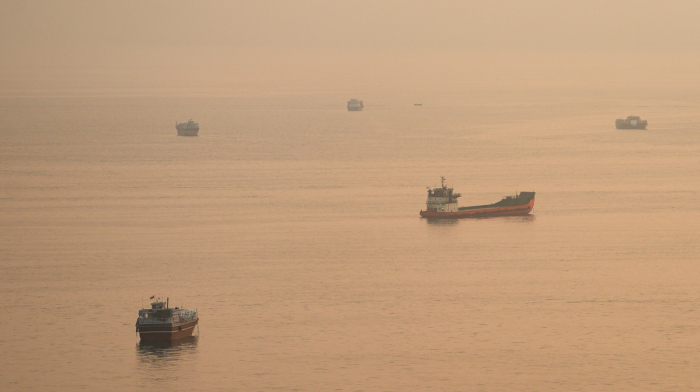
Shipping traffic through the Strait of Hormuz remains limited on Thursday, with no increase in vessel crossings as U.S.-Iran talks to resolve the conflict remained stalled. Nine commodity vessels transited the key waterway on Wednesday, unchanged from the previous day, according to Kpler data.
Shipping through the Strait of Hormuz has slowed, according to the latest data, as uncertainty over the waterway’s reopening kept most shipowners away. Six commodity vessels crossed the strait on Tuesday, down from nine the day before and below the 10-day daily average of 11.
Iran has said the Strait of Hormuz will remain closed until the U.S. fulfils the terms of an interim deal, including lifting the maritime blockade and sanctions and releasing Iran’s frozen assets.
Start your day informed with AnewZ Morning Brief. Here are the top news stories for the 19th of August, covering the latest developments.
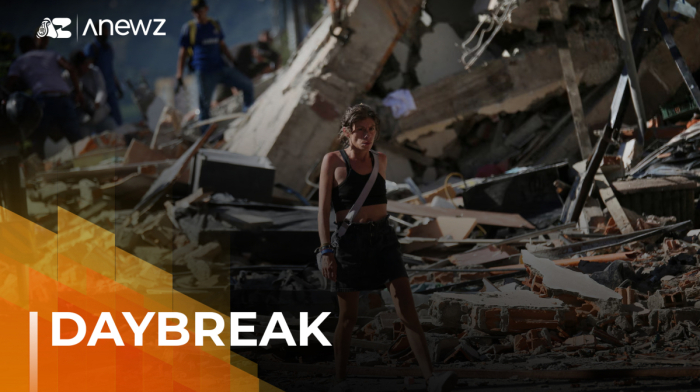
On 12 August, AnewZ’s Daybreak focused on the aftermath of Colombia’s devastating earthquake, tensions surrounding Iran and the Strait of Hormuz, growing Russia-North Korea military cooperation and security and environmental challenges across the Caspian and Black Sea regions.
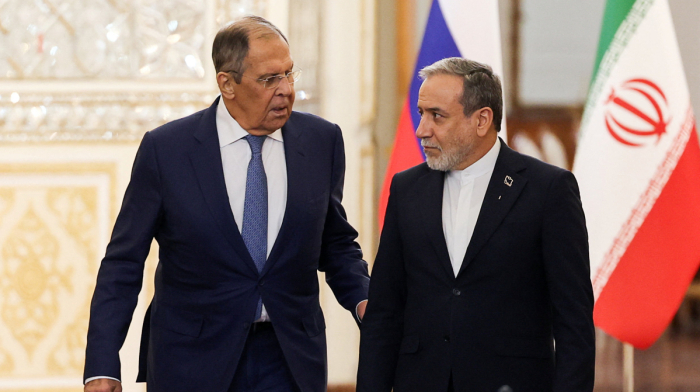
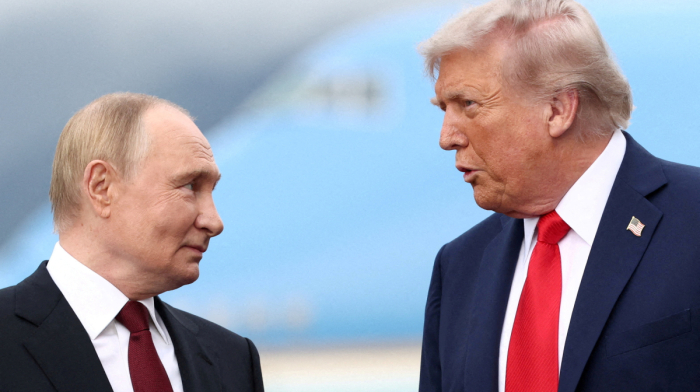
On 11 August, AnewZ’s Daybreak examined U.S. President Donald Trump’s new demands for Iran, Russia-Iran cooperation and regional connectivity through the South Caucasus alongside key political, security and climate developments worldwide.
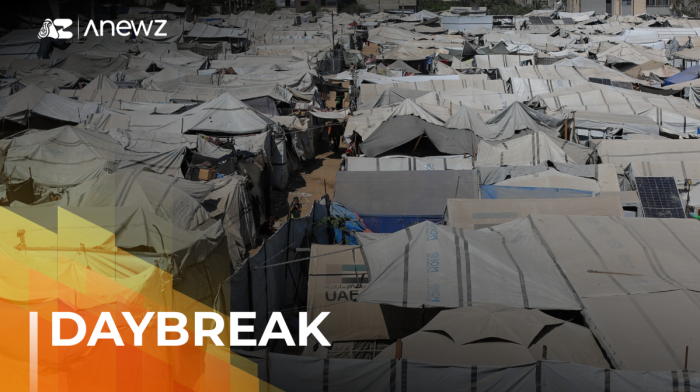
On 10 August, AnewZ’s Daybreak focused on developments in Gaza, Lebanon-Israel negotiations, Iran’s position on talks with Washington and the latest global security and climate-related challenges.
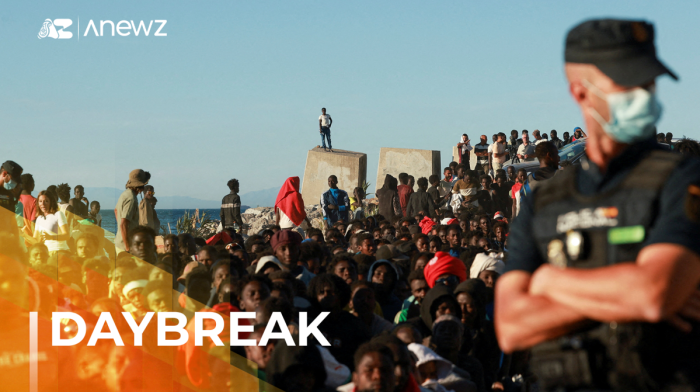
On 7 August, AnewZ's Daybreak focused on the Iran war, escalating violence in Yemen and a deadly migrant crisis in Spain's Ceuta enclave.
The 8 August commemorative edition of AnewZ's Context looked back on the year since the Washington breakthrough, examining how the initialling of the Azerbaijan-Armenia peace agreement and the launch of the Trump Route for International Peace and Prosperity have reshaped regional politics.
You can download the AnewZ application from Play Store and the App Store.
What is your opinion on this topic?
Leave the first comment