Here are the latest stories from AnewZ’s Africa News programme, focusing on political and security developments across the African continent.
Uganda's presidential and parliamentary elections
Voting has concluded across Uganda after a day characterised by delays at polling stations and a strong security presence nationwide. Despite logistical challenges, voters casted their ballots.
The race centres on long-serving President Yoweri Museveni, who is seeking to extend his decades in power. His bid has been met with a strong challenge from opposition leader Bobi Wine, whose campaign has galvanized many voters calling for political change.
As polling stations close, focus now shifts to the vote-counting process. The outcome is expected to be closely contested and potentially decisive, with tensions high as Ugandans and observers await the results.
Nigeria-Morocco gas pipeline
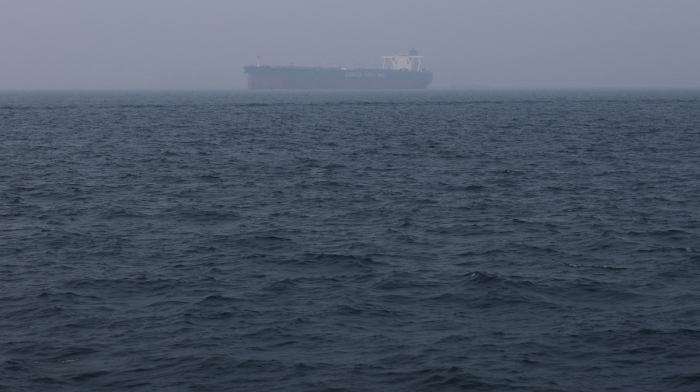
A proposed gas pipeline connecting Nigeria to Morocco is being promoted as a major strategic energy corridor that would link African gas supplies to European markets. Supporters see it as a project with the potential to boost regional cooperation and enhance energy security beyond the continent.
Despite its ambitious scope and long-term promise, the pipeline remains in the planning stages. Although financial pledges have been made, the project’s multi-billion-dollar cost means that significant funding gaps still need to be addressed.
In addition to financial hurdles, the pipeline faces political and security challenges across the countries it would traverse. These obstacles must be resolved before construction can begin, raising questions about timelines and the project’s ultimate feasibility.
The EU's high risk list
The European Union has removed Nigeria from its list of high risk third-country jurisdictions, signaling improved confidence in the country’s financial oversight and regulatory systems. Nigeria has also been taken off the Financial Action Task Force (FATF) grey list, which monitors countries with deficiencies in combating money laundering and terrorism financing.
Several other African countries have similarly been removed from the EU’s high-risk list. These include South Africa, Burkina Faso, Mali, Mozambique and Tanzania, reflecting progress in strengthening their banking regulations and compliance frameworks.
The removals indicate that the affected countries have made significant reforms to address concerns over terrorism financing and financial transparency. This development is expected to ease international banking relations and improve access to global financial systems.









What is your opinion on this topic?
Leave the first comment