Deputy Foreign Minister for International Affairs Kazem Gharibabadi is leading the Iranian delegation in technical-level talks with the United States after the senior team, led by Parliament Speaker Mohammad Bagher Ghalibaf, left Switzerland for Tehran on Monday.
The Iranian delegation comprises experts in political, economic and legal affairs who will follow up on Sunday’s meetings held in the presence of Pakistani and Qatari mediators, according to the ISNA news agency.
The mediators said Tehran and Washington had reached an understanding on a roadmap for implementing the Memorandum of Understanding agreed last week.
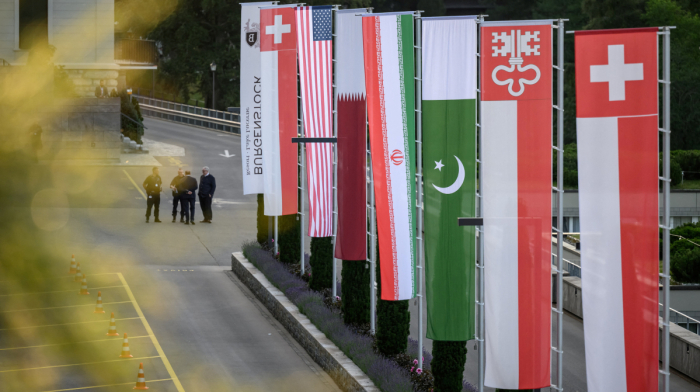
The agreement came after senior Iranian and U.S. negotiators met in Bürgenstock, Switzerland, on Sunday for intensive one-day talks amid tensions before and during the meeting.
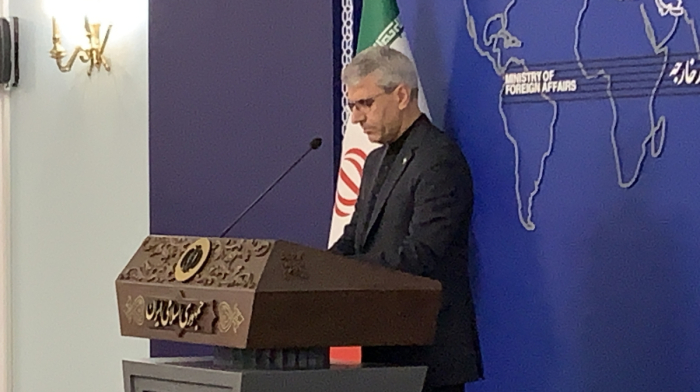
Foreign Ministry spokesman Esmaeil Baghaei said high-level negotiators in the quadrilateral talks had agreed that technical teams would continue discussions on implementing the Memorandum of Understanding signed last Thursday.
He told the state-run IRNA news agency that “good progress” had been made during the intensive Tehran–Washington talks, during which the Iranian delegation raised concerns about the U.S. side’s commitment to the memorandum.
“The philosophy of our presence was to demand the implementation of the other party's commitments, and our concerns about the other party's responsibilities were raised during the meetings.”
Tensions overshadow Swiss negotiations
During the talks in Switzerland, the Iranian side briefly walked out of negotiations following U.S. President Donald Trump’s threat of renewed attacks before later resuming discussions.
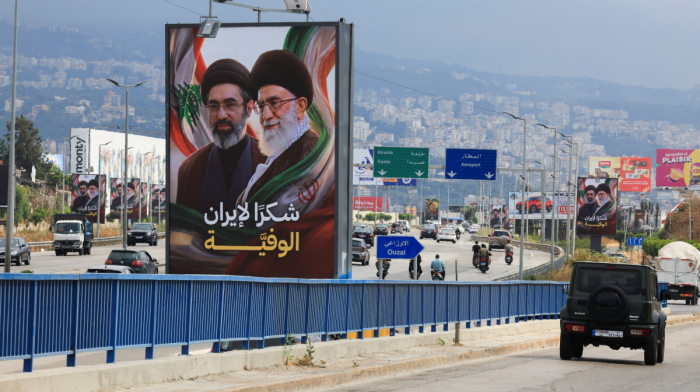
“Iran must immediately stop their highly paid PROXIES in Lebanon from causing trouble. If they don’t, we’ll hit Iran very hard again, just like we did last week, only harder!!!,” Trump wrote on his social media platform Truth Social.
Ghalibaf rejected Trump’s remarks, saying Iran’s military was ready to respond to U.S. threats.
“They (U.S. officials) should be careful with their statements. Our armed forces are ready to respond in a different way. Whatever they talk about, we will do in action,” local media quoted him as saying.
According to Iran’s top negotiator, the fact that the U.S. agreed to return to the negotiating table demonstrated Washington’s “despair” over military options and showed its threats had failed to influence Tehran.
"Don't they think to themselves that if their threats had any effect, they would not have reached the point of despair today?” Ghalibaf added.
Lebanon remains key issue
Meanwhile, Foreign Minister Abbas Araghchi said the high-level negotiations had concluded with the help of Pakistani and Qatari mediators and that “major progress” had been made towards ending the war in Lebanon.
However, Iran’s top diplomat said that “the first real test” would be “the conflict resolution in Lebanon”.
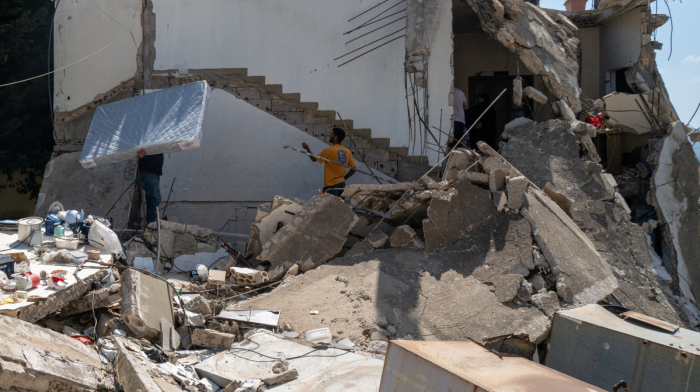
Lebanon has been central to Iran’s ceasefire demands, with the country repeatedly coming under Israeli attack.
“Also the embargo on oil and petrochemical exports was suspended, the naval blockade was lifted, some frozen assets were unblocked, and Iran's grand economic reconstruction and development plan was implemented,” he wrote in a post on the social media platform X.
Alongside Parliament Speaker Ghalibaf and Foreign Minister Araghchi, the governor of Iran’s Central Bank, the international affairs deputy of the Supreme National Security Council, and the deputy petroleum minister represented Iran in Sunday’s talks.
The 40-day Israel–U.S. war with Iran, repeated violations of a fragile ceasefire, tensions around the Strait of Hormuz and difficulties during Sunday’s mediated negotiations suggest that technical-level delegates will face significant challenges in securing a final peace agreement.











What is your opinion on this topic?
Leave the first comment