Iran’s top negotiator has said recent talks with the United States have shown progress, but that major differences remain over nuclear issues and the Strait of Hormuz, as diplomatic efforts continue alongside escalating regional instability.
The comments come as U.S. President Donald Trump cited what he called “very good conversations” with Tehran, while also warning against what he described as “blackmail” over the strategic shipping route.
No detailed information has been released by either side on the latest round of discussions, which reportedly took place last weekend, just days before a fragile ceasefire in the U.S.-Israeli conflict with Iran is due to expire.
Iran’s parliamentary speaker Mohammad Baqer Qalibaf said there had been some movement in talks, but key gaps persist.
“We have had progress but there is still a big distance between us,” he said in remarks carried by state media.
“There are some issues on which we insist. They also have red lines. But these issues could be just one or two,” Qalibaf stated.
Strait of Hormuz tensions
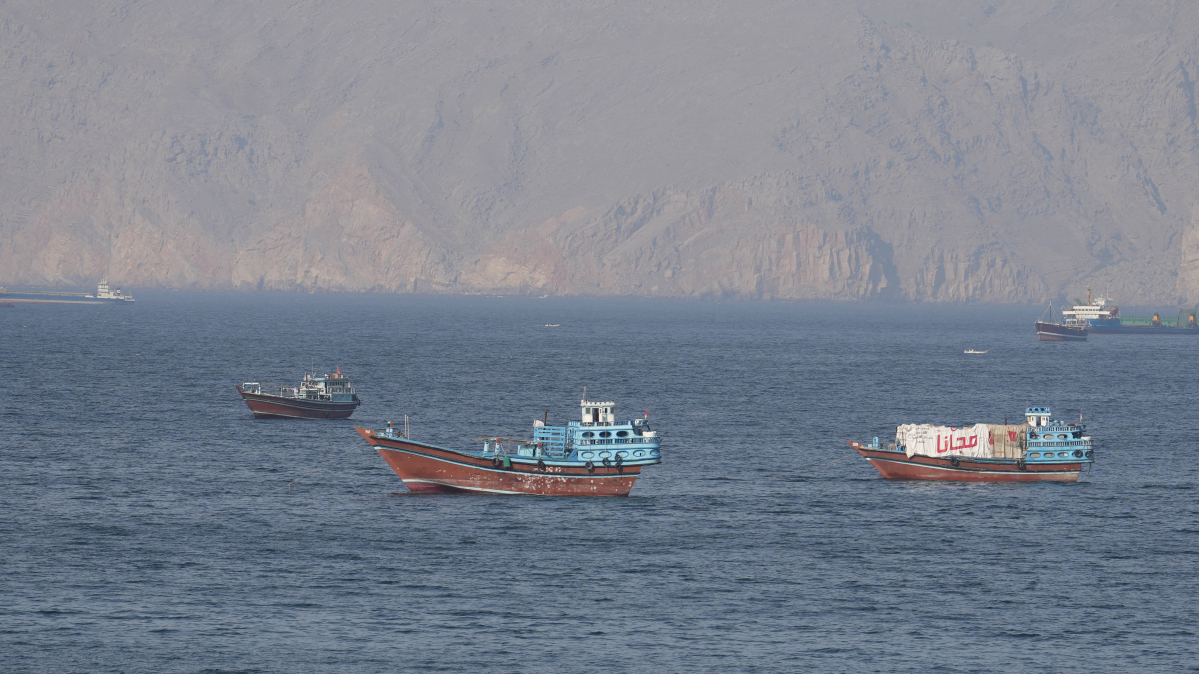
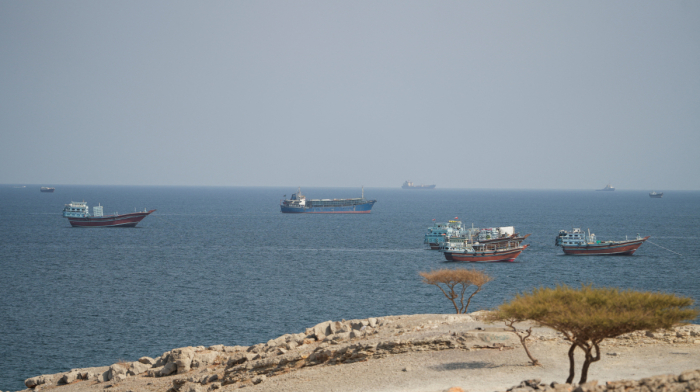
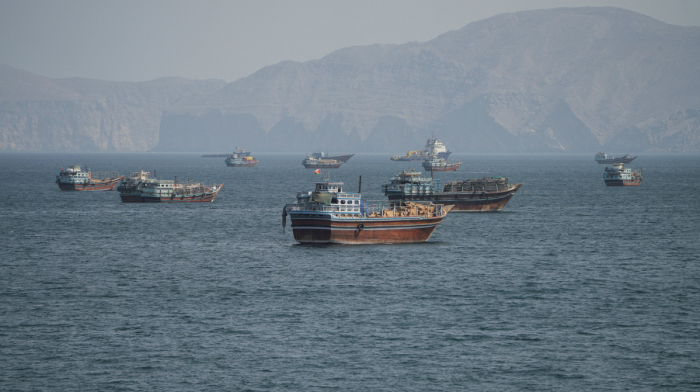
The Strait of Hormuz, a critical energy corridor handling around one-fifth of global oil shipments before the conflict, has become a central point of contention in the wider crisis.
Iran has moved to reassert control over the waterway amid the war, which has disrupted maritime traffic and contributed to volatility in global energy markets.
Tehran has linked its actions to what it calls a continued U.S. blockade of Iranian ports, describing it as a breach of ceasefire terms.
Iranian officials have also said the country is entitled to impose costs for maritime security and environmental protection services in the strait.
Trump, meanwhile, has accused Iran of “blackmail”, while continuing to defend U.S. pressure measures.
Regional escalation
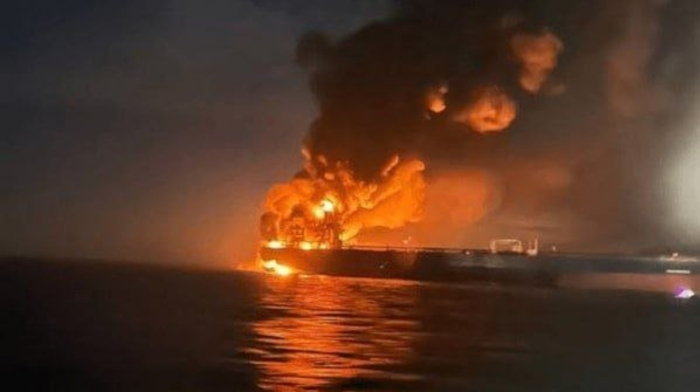
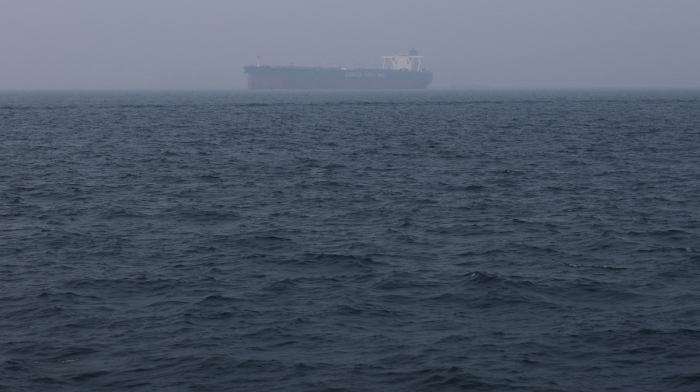
Security concerns in the region intensified after at least two vessels reported coming under attack while transiting the waterway on Saturday.
India summoned Iran’s ambassador in New Delhi following reports that two Indian-flagged ships were fired upon.
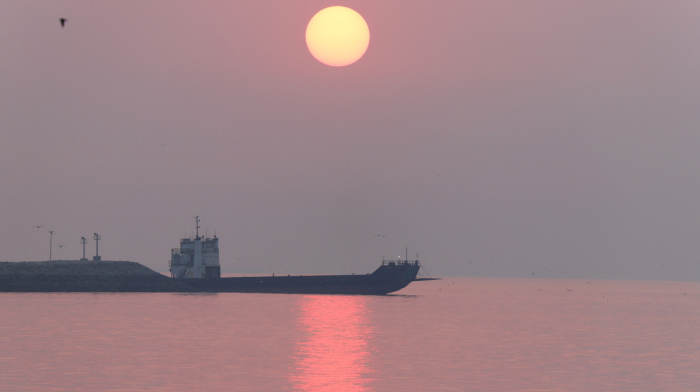
Shipping sources said thousands of seafarers and hundreds of vessels remain stranded in the Gulf awaiting safe passage.
Conflict context
The Iran war, now in its eighth week, has killed thousands and expanded across multiple fronts, including Israeli operations in Lebanon.
An Israeli soldier was killed and several others injured in southern Lebanon, the Israeli military said on Sunday (19 April).
Oil prices have fluctuated sharply during the conflict, falling about 10% in a recent session after reports of possible resumed maritime access through the strait.
Earlier discussions between U.S. and Iranian officials reportedly included proposals ranging from a multi-decade suspension of Iranian nuclear activity to shorter-term restrictions, though no agreement has been reached.
Iran’s deputy foreign minister Saeed Khatibzadeh said no date has been set for the next round of talks, adding that a framework must first be agreed.
“There is no agreed date for the next meeting,” he said.
Trump has suggested further negotiations could take place soon, stating that the sides were “very close to making a deal”, though he also warned of renewed military action if no agreement is reached before the ceasefire deadline.










What is your opinion on this topic?
Leave the first comment