Baku prepares to host WUF13 with 176 countries registered to take part
Baku will host the 13th World Urban Forum (WUF13) from 17 to 22 May, bringing together around 25,000 participants from 176 countries to address the...
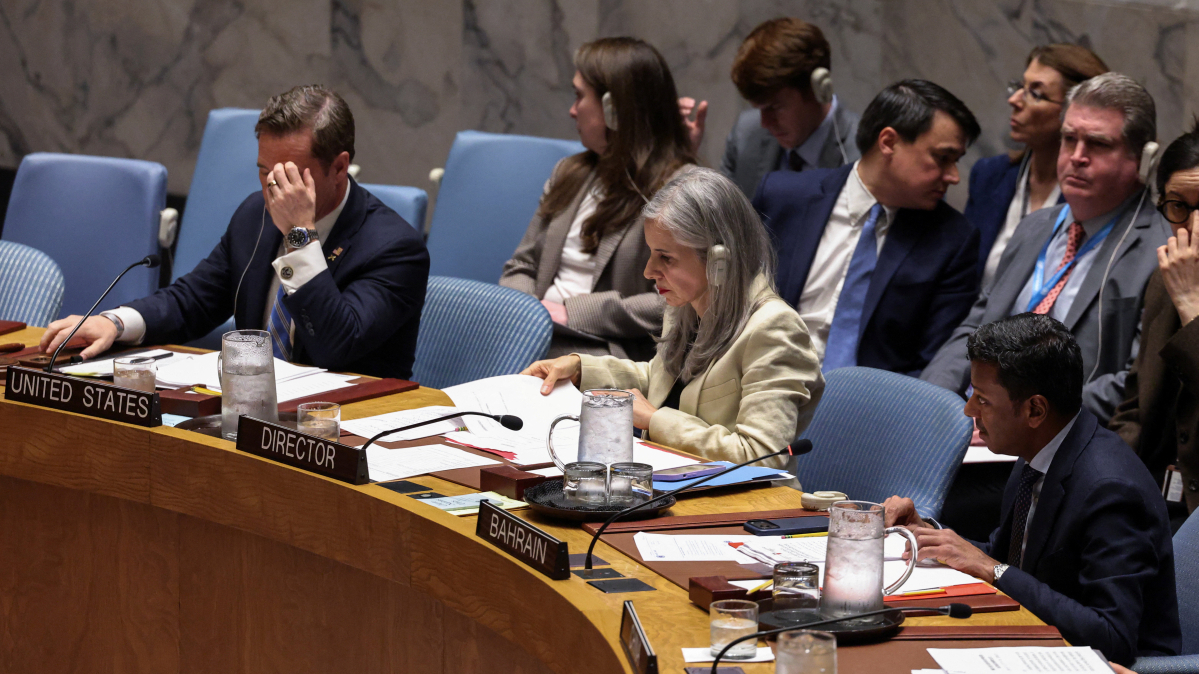
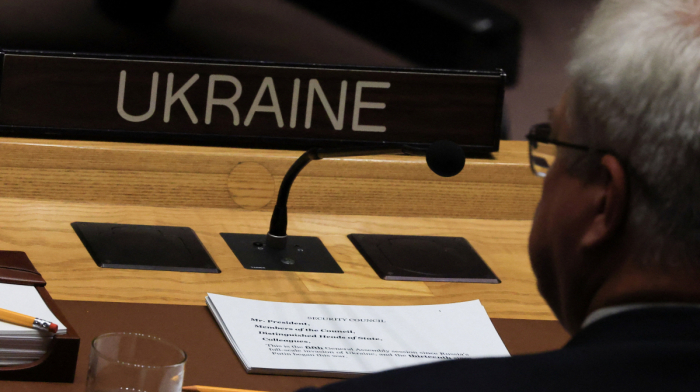
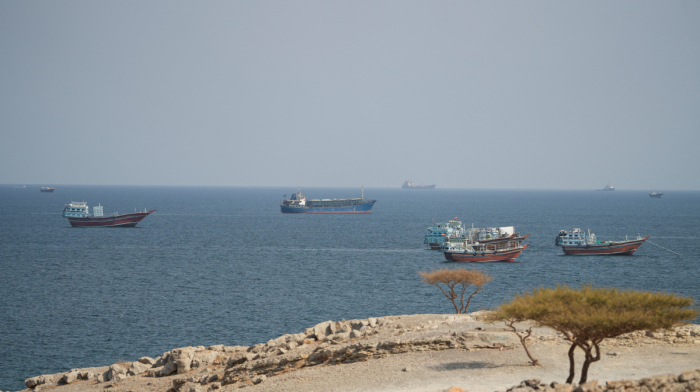
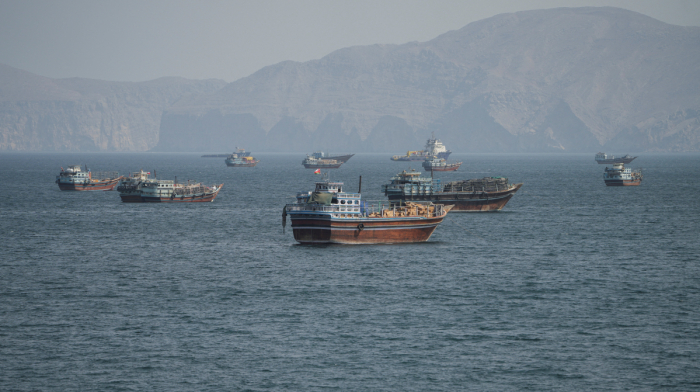
The UN Security Council has failed to back a Bahraini resolution aimed at reopening the Strait of Hormuz, after China and Russia used their vetoes on Tuesday (7 April). The draft resolution called for coordinated "defensive measures" to ensure freedom of navigation in the strait.
The resolution received 11 votes in favour. Colombia and Pakistan abstained.
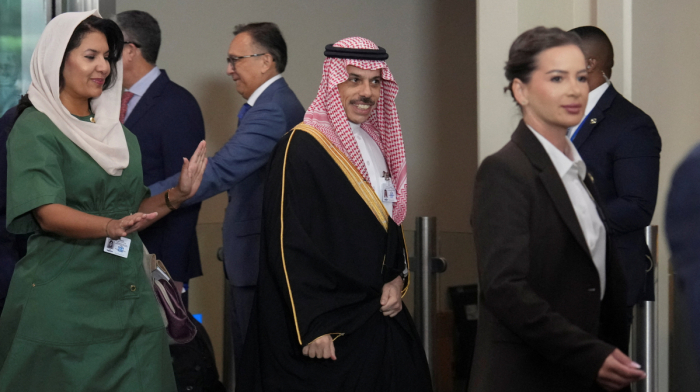
Speaking after the vote, Bahrain's Foreign Minister Abdullatif bin Rashid Al Zayani expressed his "regret" to the Council for failing to adopt the draft resolution.
"The Council failed to shoulder its responsibility in relation to an illegal conduct that requires decisive action with no delay," he said.
Diplomats previously said the draft resolution had faced resistance from China, Russia and others, and had been toned down from its original form.
Oil prices have surged since the U.S. and Israel struck Iran in late February, triggering a conflict that has lasted more than a month and largely disrupted traffic through the vital shipping route.
Bahrain, which currently holds the rotating presidency of the council, finalised a draft on Thursday (2 April) authorising “all defensive means necessary” to protect commercial shipping.
Foreign Minister Abdullatif bin Rashid Al Zayani had told the council a vote would take place on Friday, “God willing,” adding that Bahrain hoped for a “unified position from this esteemed council," but the vote was postponed.
Backed by Gulf Arab states and the United States, Bahrain had earlier removed an explicit reference to binding enforcement in an effort to overcome objections, particularly from China and Russia.
China has continuously opposed any authorisation of force to reopen the strait. Speaking on Thursday, China’s U.N. envoy Fu Cong said such a move would “legitimise the unlawful and indiscriminate use of force, which would inevitably lead to further escalation of the situation and serious consequences.”
A resolution requires at least nine votes in favour and no vetoes from the five permanent members: Britain, China, France, Russia and the U.S

Minval Politika has released further footage it says shows former International Criminal Court Chief Prosecutor Luis Moreno Ocampo discussing alleged funding behind campaigns linked to Armenia and Azerbaijan.
Iran’s Supreme Leader Mojtaba Khamenei warned “foreigners who commit evil” have no place in the Gulf, outlining a “new phase” for the Strait of Hormuz, while a senior adviser said U.S. blockade efforts would fail and could trigger confrontation.
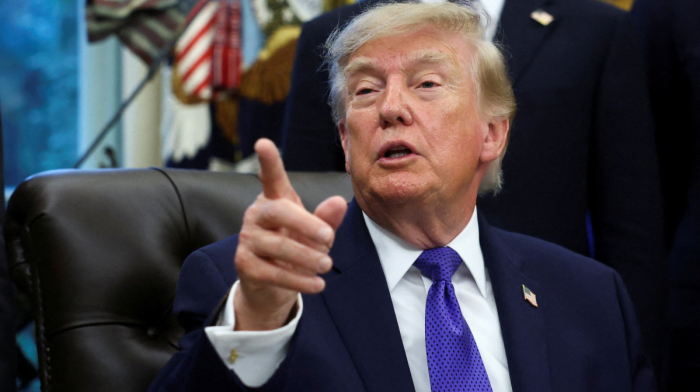
U.S. President Donald Trump told reporters he was "not satisfied" with Iran's latest peace proposal, which was delivered to Washington via Pakistani mediators on Friday (1 May).
Dubai chef Shaw Lash at Mexican restaurant Lila Molino flies in her avocados and tomatillos, small, tart green fruits native to Central America that are a staple of Mexican cuisine and key for her colourful and spicy dishes.
A European Parliament resolution on Armenia is stirring debate beyond Brussels, with its wording raising concerns in Azerbaijan as peace talks gather momentum.
U.S. President Donald Trump told reporters he was "not satisfied" with Iran's latest peace proposal, which was delivered to Washington via Pakistani mediators on Friday (1 May).
U.S. President Donald Trump declared that a ceasefire had "terminated" hostilities against Iran, as he sought to bolster his argument that he does not need lawmakers' permission to continue the conflict.
Tensions between Washington and Tehran remain elevated after renewed warnings from U.S. President Donald Trump that military action against Iran has not been ruled out, alongside claims that Iranian leadership is eager to reach a deal.
The Iranian leaders have commemorated the National Day of Persian Gulf stressing Tehran’s control over the Strait of Hormuz amid the U.S. maritime blockade of Iran’s southern ports, a fragile ceasefire, and stalled negotiations.
Iran’s Supreme Leader Mojtaba Khamenei warned “foreigners who commit evil” have no place in the Gulf, outlining a “new phase” for the Strait of Hormuz, while a senior adviser said U.S. blockade efforts would fail and could trigger confrontation.
You can download the AnewZ application from Play Store and the App Store.
What is your opinion on this topic?
Leave the first comment