Armenia must limit national ambitions to internationally recognised borders, Pashinyan says
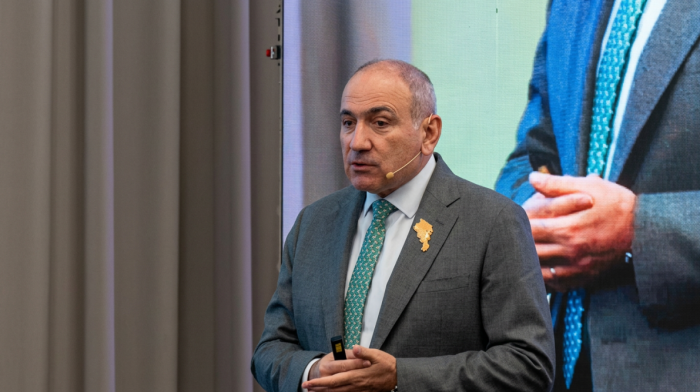
Armenia’s national aspirations must be contained within its internationally recognised borders, Armenian Prime Minister Nikol Pashinyan ...
WHO Chief sounds alarm over widespread treatment gaps amid funding cuts.
The Director-General of the World Health Organization (WHO), Dr. Tedros Adhanom Ghebreyesus, has issued a stark warning about the escalating impact of global funding cuts on healthcare systems worldwide.
Speaking at the opening of the 78th World Health Assembly in Geneva on Monday, Dr. Tedros revealed that healthcare services in at least 70 countries are under severe strain. “Patients are going without critical treatments, healthcare facilities have been forced to shut down, and many health workers have lost their jobs,” he stated. “As a result, people are increasingly burdened with high out-of-pocket expenses for basic health services.”
The WHO chief emphasized that reduced international funding is undermining access to essential care and threatening progress made in global health in recent decades. The remarks come amid growing concerns over economic challenges and shifting donor priorities that have led to reduced investments in health systems, particularly in low- and middle-income countries.
The World Health Assembly, which brings together health leaders from around the globe, is expected to address these challenges and push for renewed commitments to sustainable healthcare financing.
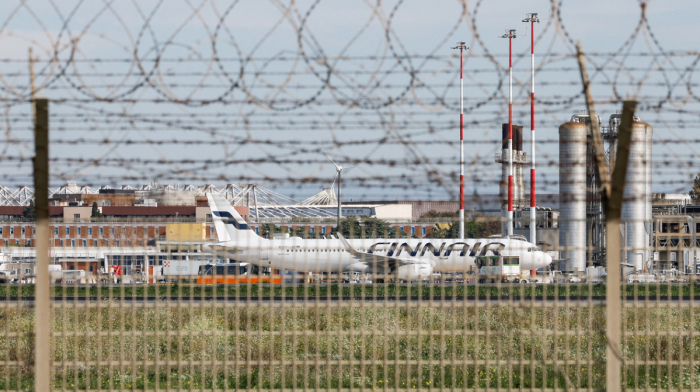
Romanian authorities said late on Thursday that two additional planes had received bomb threats including a KLM flight to Tel Aviv that had a layover in Bucharest.
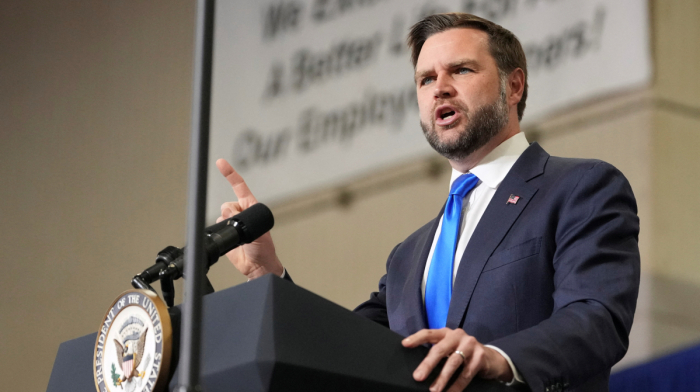
U.S. Vice President JD Vance has blamed the war with Iran for the Republicans' defeat in the 2026 midterm elections, arguing that voters who supported President Donald Trump in 2024 turned to the Democrats because of foreign policy and economic concerns.
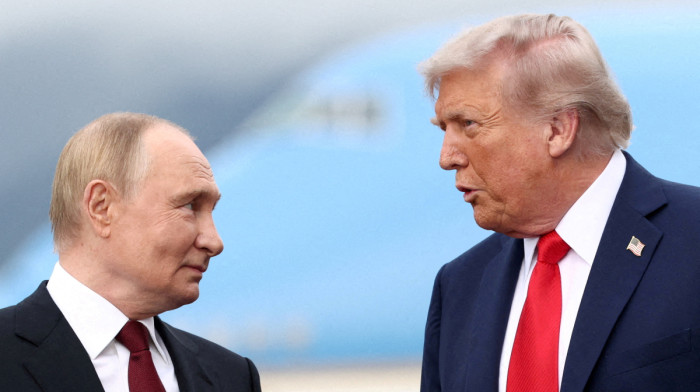
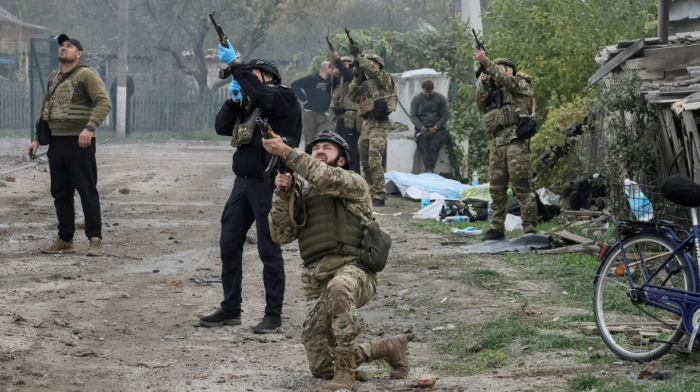
The war between Russia and Ukraine continued to claim civilian lives this week even as diplomatic activity intensified ahead of planned peace discussions in Abu Dhabi.
As oil prices surge amid conflict in the Gulf, energy leaders at ADIPEC in Abu Dhabi are confronting two major challenges: securing global supplies and meeting soaring electricity demand from artificial intelligence.
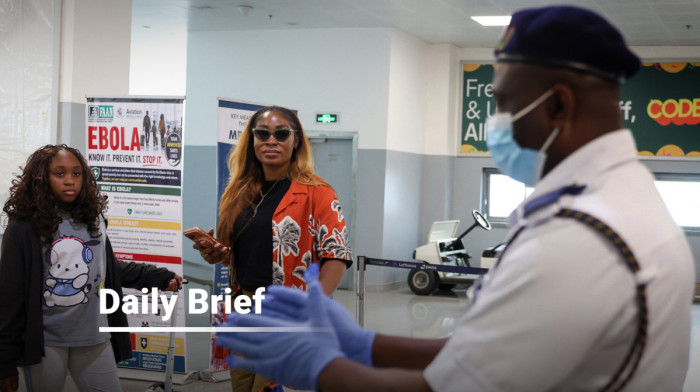
A British healthcare worker who contracted Ebola while working in the Democratic Republic of Congo is being transferred to the United Kingdom for specialist medical care, according to British authorities.
Here's your AnewZ Daily Brief for the 5th of November, as health emergencies, humanitarian crises, political shifts, and cybersecurity threats put governments and essential services under pressure across the globe. Here are five stories worth your attention.
Kazakhstan plans to manufacture 494 types of medicines through eight major investment projects worth a combined $862 million, Health Minister Akmaral Alnazarova announced on 3 November, local media reported.
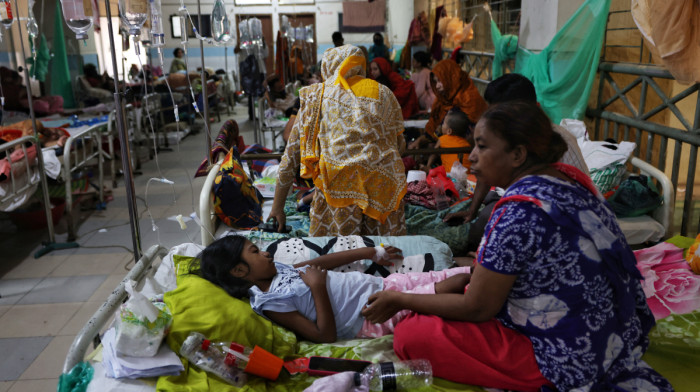
Dengue fever has killed more people in Bangladesh this year than in the whole of 2025, with October the deadliest month so far, data from Bangladesh's Health Ministry shows.
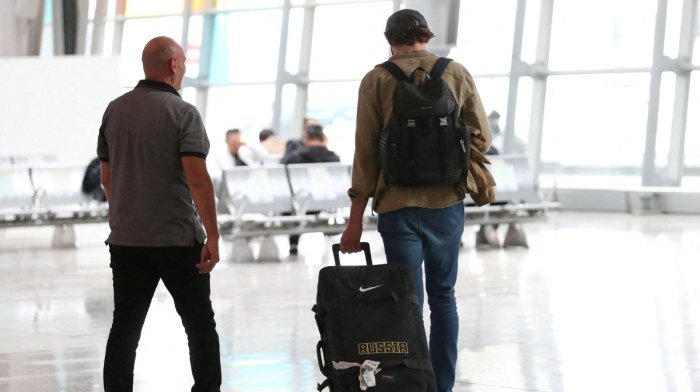
Visitors to Armenia could face temperature screening after a lab worker died from suspected Pneumonic plague in Russia, Yerevan’s Health Minister Anahit Avanesyan told lawmakers on Wednesday, Armenian state news agency Armenpress reported.
Health advice now reaches people through social media, fitness apps, wearable technology and AI. From detoxes and protein-focused diets to skincare and fitness trends, online wellness content is shaping everyday health choices while raising concerns about misinformation and potential risks.
You can download the AnewZ application from Play Store and the App Store.
What is your opinion on this topic?
Leave the first comment