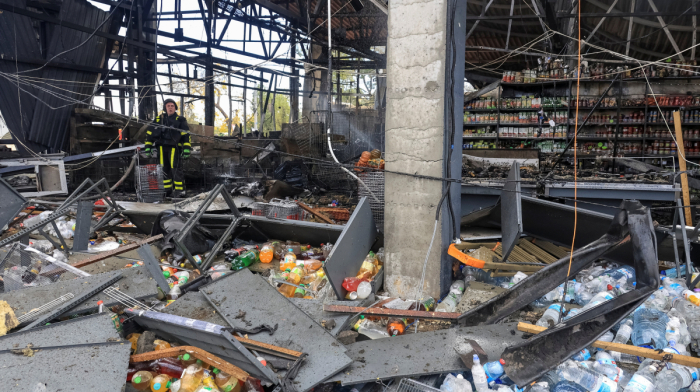
Zelenskyy: Russian strikes on nuclear sites ‘a danger for Ukraine and Europe’
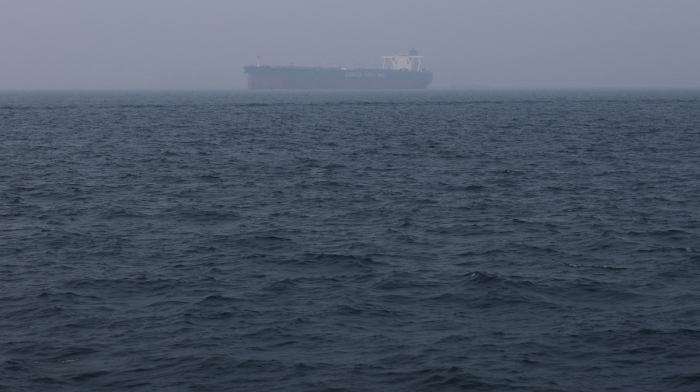
Russia launched a large-scale overnight attack on Ukraine’s energy system early on Saturday (7 January), hitting power generation and distribution f...
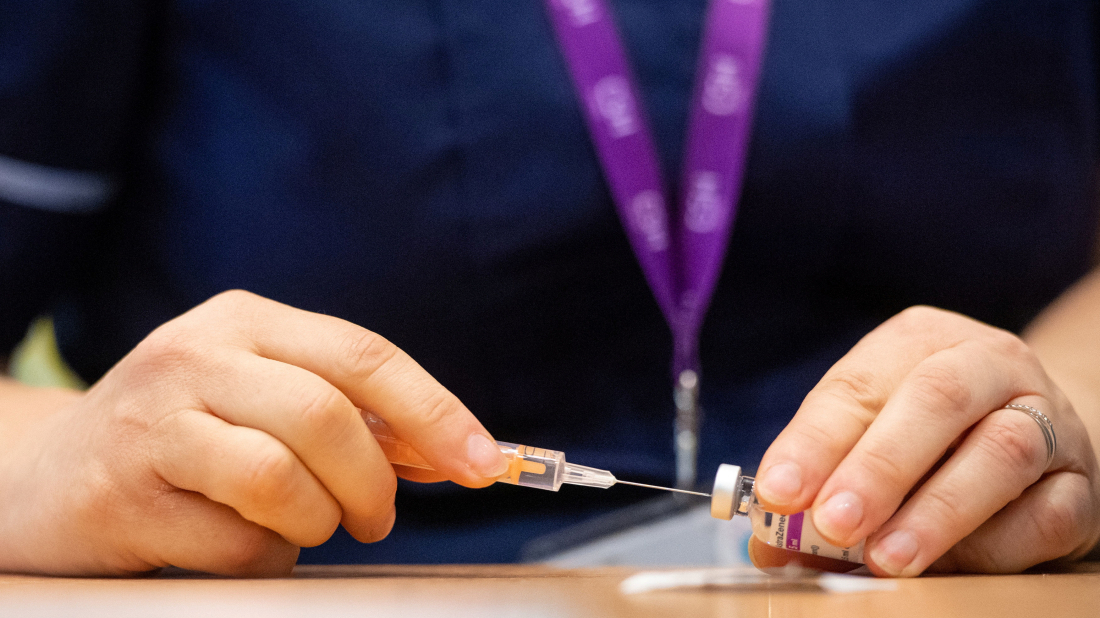
The Centers for Disease Control and Prevention (CDC) confirmed Friday that COVID-19 vaccines are still recommended for healthy children aged 6 months and older—if their doctors agree.
This comes after Health and Human Services (HHS) Secretary Robert F. Kennedy Jr. said earlier this week that the recommendation had been removed. HHS oversees the CDC.
The CDC’s updated vaccine schedule now calls for “shared clinical decision-making” between doctors, patients, and parents. This means vaccination decisions for young children will be personalized, especially allowing immunocompromised kids to get vaccinated.
Kennedy, known for his skepticism toward vaccines, claimed Tuesday that the CDC had taken the COVID vaccine for healthy children and pregnant women off its recommended immunization schedule.
His announcement followed an FDA plan revealed by Commissioner Dr. Marty Makary last week to limit new COVID shots to older adults and those with medical conditions, marking a sharp shift away from universal vaccination efforts.

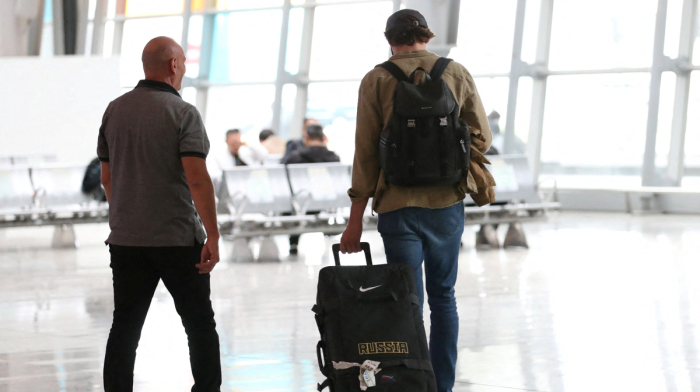
Winter weather has brought air travel in the German capital to a complete halt, stranding thousands of passengers as severe icing conditions make runways and aircraft unsafe for operation and force authorities to shut down one of Europe’s key transport hubs.
Storm Leonardo hit Spain and Portugal on Tuesday, forcing more than 11,000 people from their homes, as a man in Portugal died after his car was swept away by floodwaters and a second body was found in Malaga.
An attacker opened fire at the gates of a Shiite Muslim mosque in Islamabad on Friday before detonating a suicide bomb that killed at least 31 people in the deadliest assault of its kind in the capital in more than a decade.
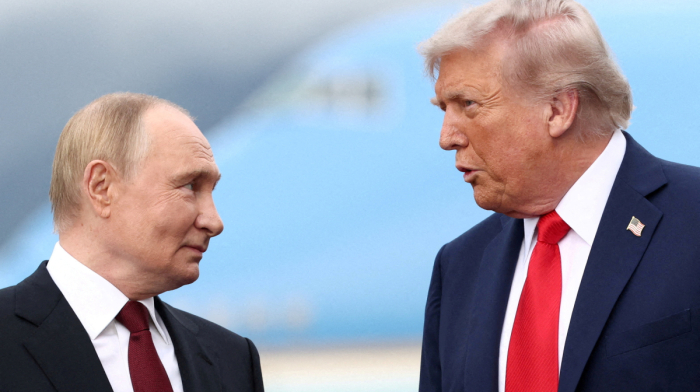
Iran and the United States opened nuclear talks in Oman on Friday, with Tehran calling the meeting a good start and both sides agreeing to continue discussions after returning to their capitals for consultations.
Start your day informed with AnewZ Morning Brief: here are the top news stories for the 6th of February, covering the latest developments you need to know.
A Florida university has become a new hotspot in a widening U.S. measles outbreak, with health officials confirming multiple infections and hospitalisations.
The World Health Organization has added the Nipah virus to its list of the world’s top 10 priority diseases, alongside COVID-19 and the Zika virus, warning that its epidemic potential highlights the global risk posed by fast-spreading outbreaks.
Belgian authorities are examining suspected cases of infants falling ill after consuming recalled Nestle baby formula, amid warnings that confirmed infections may be underestimated due to limited testing requirements.
Two Nipah infections involving health workers in India have triggered heightened screening across Southeast Asia as authorities move to prevent the high fatality virus from spreading beyond the country.
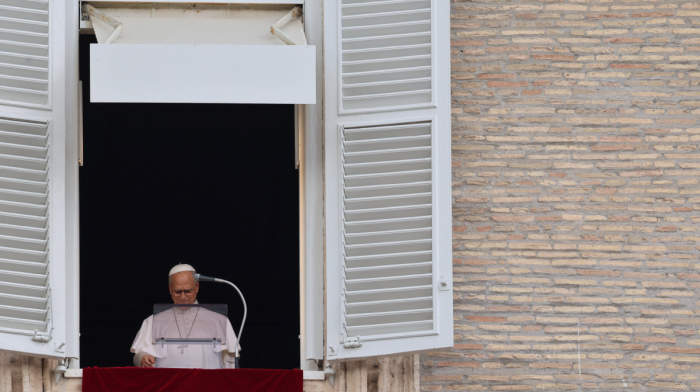
The World Health Organization (WHO) has said it regrets the United States’ decision to withdraw from the UN health agency and hopes Washington will resume active participation in the future.
You can download the AnewZ application from Play Store and the App Store.
What is your opinion on this topic?
Leave the first comment