WHO warns of rising respiratory infections in Gaza as heavy rains worsen health risks
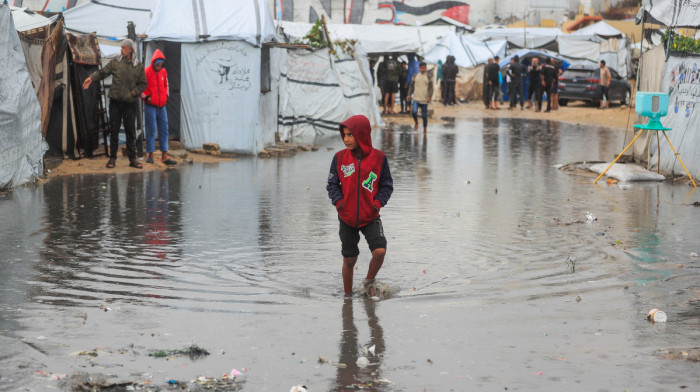
The World Health Organization (WHO) warned on Friday (13 November) of surging respiratory illnesses in Gaza, ...
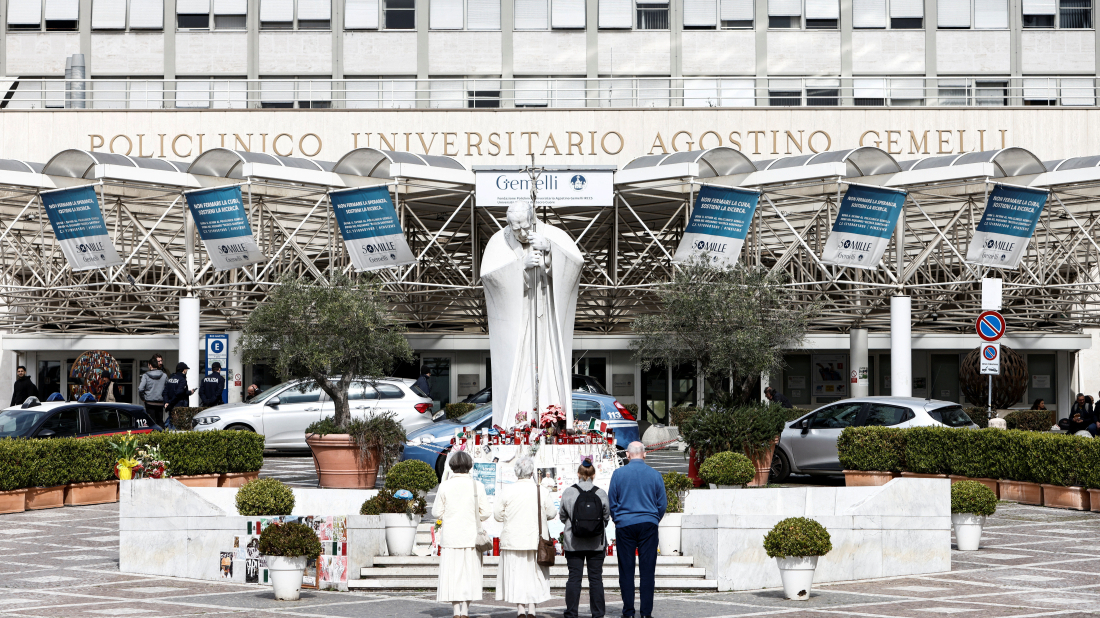
Pope Francis is responding well to treatment for double pneumonia, with his overall condition gradually improving, the Vatican said on Saturday. The 88-year-old has been in Rome’s Gemelli hospital for more than three weeks with a severe respiratory infection.
The Vatican's latest update stated that the pope’s condition has remained stable, showing a positive response to treatment. He continues to be fever-free, and his blood tests remain unchanged.
Doctors noted a "gradual, slight improvement" in his health but maintained a cautious prognosis to ensure his recovery stays on track.
Francis has not been seen in public since his hospitalisation, marking his longest absence since becoming pope 12 years ago. While the Vatican has maintained an optimistic tone, independent medical experts suggest his recovery could be prolonged due to his age and existing health conditions.
The pope has faced multiple health issues in recent years and is prone to lung infections, having had part of one lung removed in his youth. Double pneumonia, which affects both lungs, can lead to serious complications, particularly in elderly patients.
The U.S. Federal Aviation Administration lifted a nationwide ground stop on Friday (13 November) after a communications failure at air traffic control centres caused chaos at airports and triggered the longest nationwide shutdown since the 9/11 attacks in 2001.
More than 30 people have been taken to hospital after a cargo ship collided with a passenger cruise docked on the Mississippi River in New Orleans on Friday (13 November).
Europe will send a team of diplomats to Ukraine peace talks rather than a single envoy, EU leaders agreed on Friday at the end of a summit in Dublin.
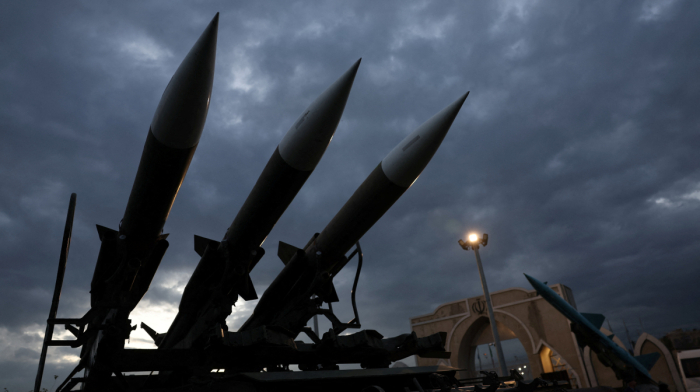
Saudi Arabia said it intercepted two Houthi ballistic missiles targeting Riyadh and three drones in its oil-rich Eastern Province on Sunday (15 November), as Iran's Revolutionary Guards claimed separate attacks on a U.S. military facility in Bahrain.
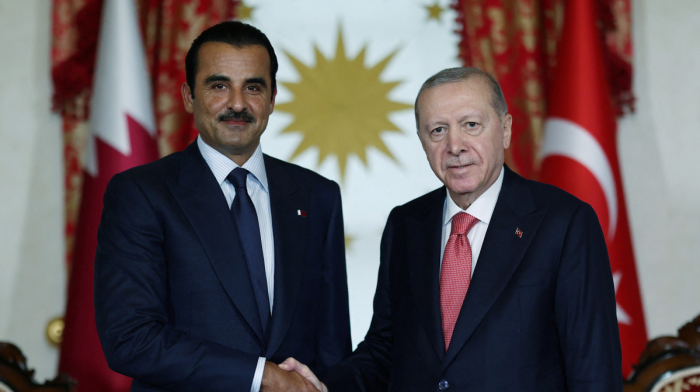
Türkiye and Qatar signed a mutual defence agreement on Friday, November 13, aimed at strengthening collective security and regional stability. The two countries pledged to take a united stance against any external armed attack on either nation.
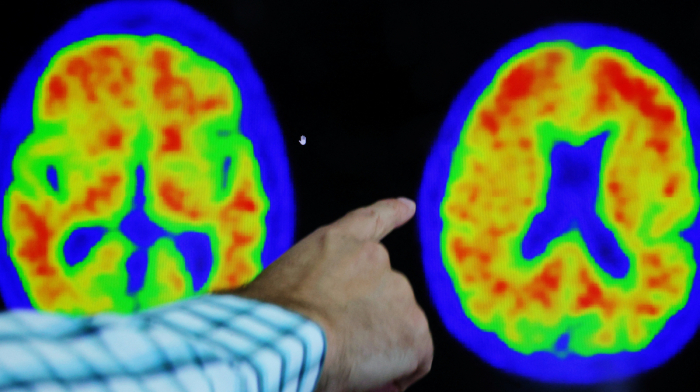
A new study in mice suggests the brain’s protective barrier does more than block harmful substances. It also delivers essential proteins from the body, a process that may break down early in Alzheimer’s disease and offer a new target for treatment.
Here's your AnewZ Daily Brief for the 5th of November, as health emergencies, humanitarian crises, political shifts, and cybersecurity threats put governments and essential services under pressure across the globe. Here are five stories worth your attention.
Kazakhstan plans to manufacture 494 types of medicines through eight major investment projects worth a combined $862 million, Health Minister Akmaral Alnazarova announced on 3 November, local media reported.
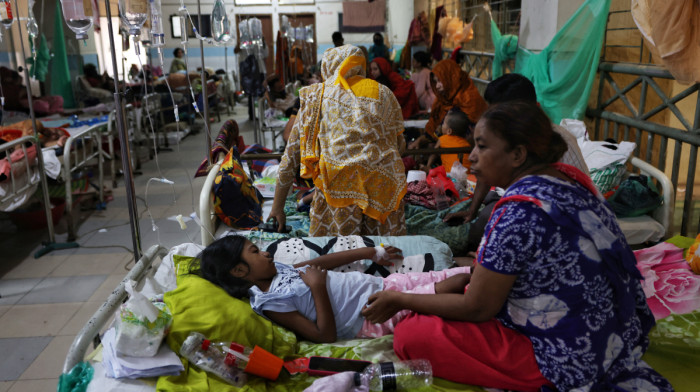
Dengue fever has killed more people in Bangladesh this year than in the whole of 2025, with October the deadliest month so far, data from Bangladesh's Health Ministry shows.
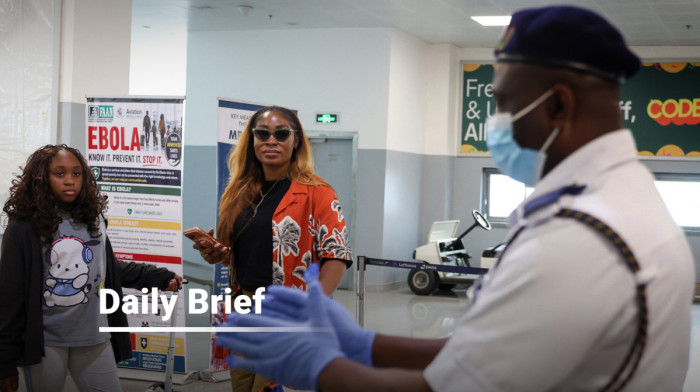
Visitors to Armenia could face temperature screening after a lab worker died from suspected Pneumonic plague in Russia, Yerevan’s Health Minister Anahit Avanesyan told lawmakers on Wednesday, Armenian state news agency Armenpress reported.
You can download the AnewZ application from Play Store and the App Store.
What is your opinion on this topic?
Leave the first comment