A brown skua seabird found near New Zealand's capital Wellington has tested positive for H5N1, marking the country's first detection of the bird flu strain.
New Zealand's Biosecurity Minister Andrew Hoggard said there was no evidence of mass wildlife deaths, transmission between wild birds in New Zealand or any detection in poultry.
The case follows detections in neighbouring Australia, which reported H5N1 last month and had 14 confirmed or presumed positive H5 bird flu detections as of Wednesday.
The highly pathogenic H5 strain has spread through wild bird and mammal populations since 2021, killing millions and affecting poultry and dairy farms as well as some farmworkers.
Read more:
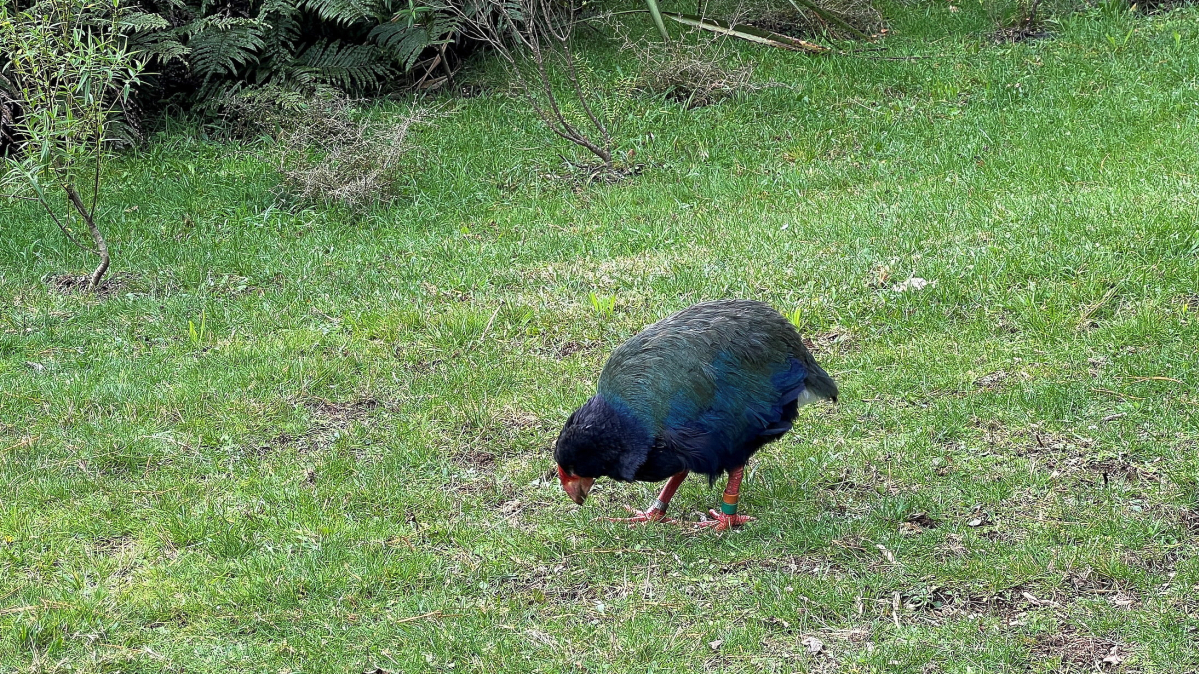
New Zealand has been working with the poultry industry on biosecurity and resilience plans, while officials have begun vaccinating 300 core breeding birds from five of the country’s most endangered species.
Many of New Zealand's endemic birds are unusually vulnerable because they evolved for millions of years without native land mammals, leaving many unique species, which are flightless, ground-nesting and poorly equipped to defend themselves against predators.























What is your opinion on this topic?
Leave the first comment