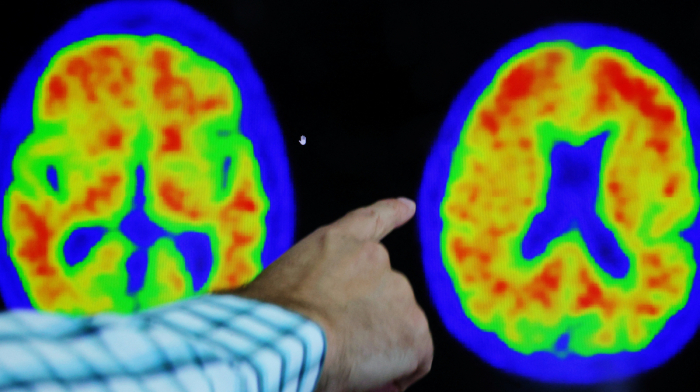
What is the blood-brain barrier, and why could it hold a key to Alzheimer’s?
A new study in mice suggests the brain’s protective barrier does more than block harmful substances. It also delivers essential proteins from...
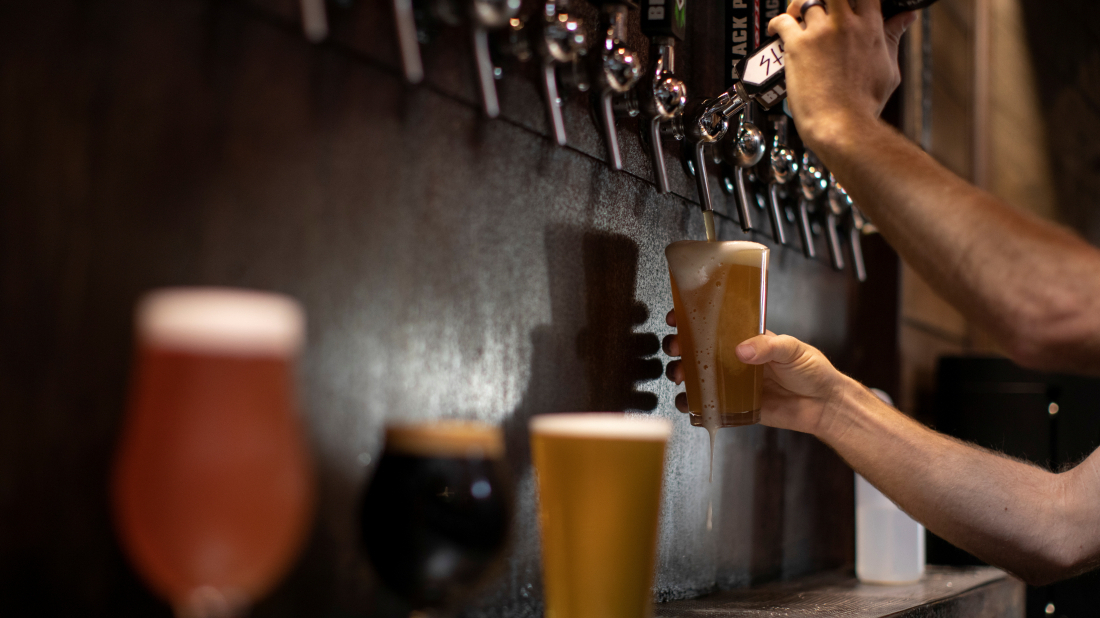
The U.S. Surgeon General calls for cancer risk warnings on alcohol labels, highlighting links to seven cancers and urging updated consumption guidelines.
The U.S. Surgeon General has called for cancer risk warnings on alcoholic beverage labels, marking a potential move toward stricter regulations similar to those for tobacco.
Surgeon General Vivek Murthy stated that alcohol consumption raises the risk of at least seven cancers, including breast, colon, and liver cancer, though many Americans remain unaware.
Shares of liquor companies like Diageo and Pernod Ricard fell over 3%, while U.S. brands like Constellation Brands and Molson Coors dropped 1-2% in early trading.
Murthy urged a reassessment of alcohol consumption guidelines to help consumers weigh cancer risks alongside existing warnings about birth defects and impaired operation of vehicles or machinery.
Alcohol accounts for 100,000 U.S. cancer cases and 20,000 cancer deaths annually, surpassing alcohol-related traffic fatalities, according to the report.
Current alcohol labels, unchanged since 1988, do not mention cancer risks, despite evidence linking alcohol to seven cancers, including those of the esophagus, mouth, and throat. The report suggests healthcare providers screen for alcohol use and promote public awareness of its risks.
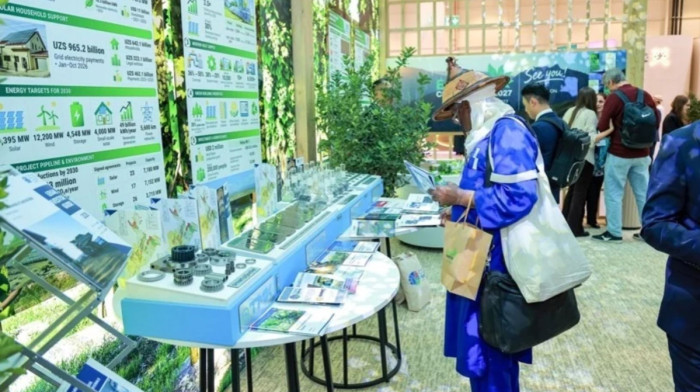
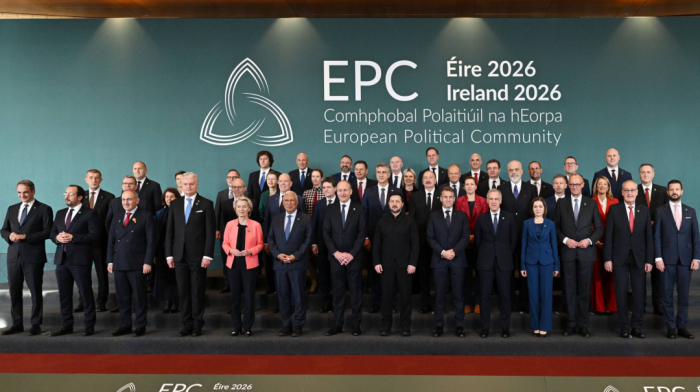
European leaders gathered in Dublin on Thursday, 12 November, for the ninth European Political Community (EPC) summit, with security, defence and energy high on the agenda. Azerbaijani President Ilham Aliyev held talks focused on peace, trade and regional cooperation.
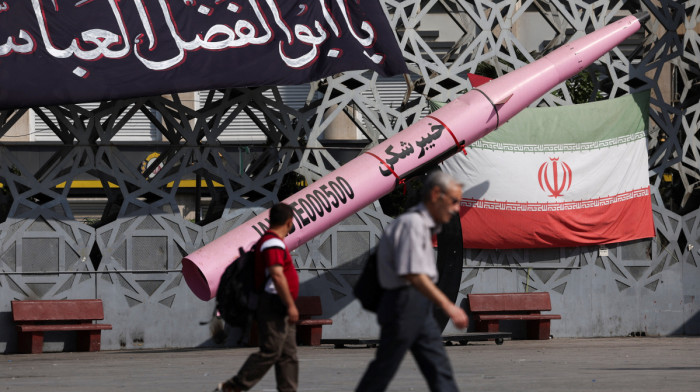
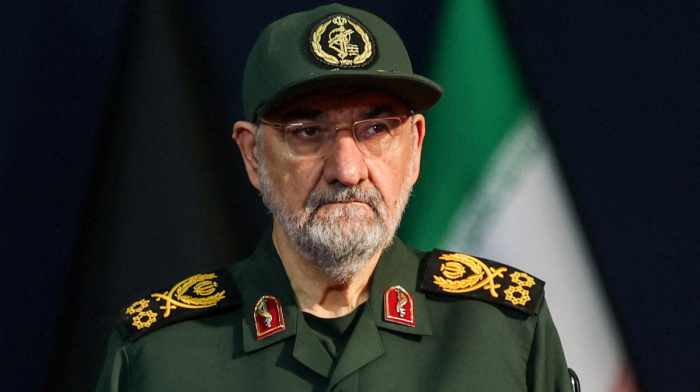
Iran will not let a single particle of its enriched nuclear material leave the country, and any new U.S. attack would be met with strikes on distant American bases, Iranian security chief Mohsen Rezaei has said.
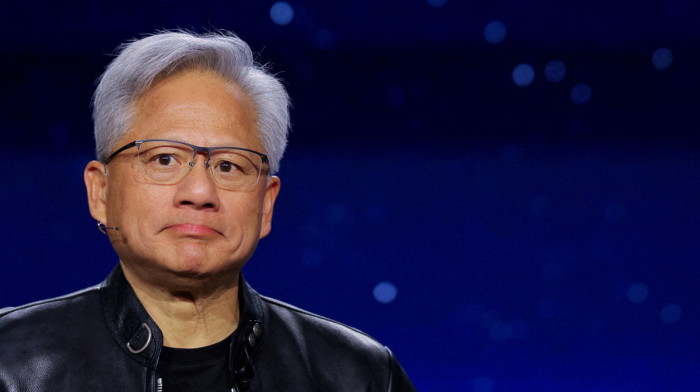
Nvidia chief executive Jensen Huang is stepping down amid reports linking him to a woman suspected by U.S. authorities of spying for China, throwing the future of the $4 trillion chipmaker into uncertainty.
Four million workers across Spain joined a general strike on Wednesday over the country’s deepening housing crisis, unions said, bringing disruption to factories, ports, shops and public transport just weeks before a snap general election.
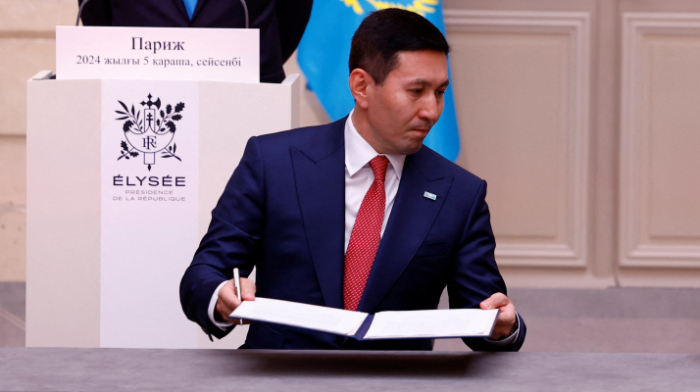
Kazakhstan’s security service has arrested Nurlan Zhakupov, CEO of Samruk-Kazyna, the country’s sovereign wealth fund, on suspicion of corruption. Yelzhas Otynshiyev, Chairman of KTZ, Kazakhstan’s national railway firm has also been detained.
A new study in mice suggests the brain’s protective barrier does more than block harmful substances. It also delivers essential proteins from the body, a process that may break down early in Alzheimer’s disease and offer a new target for treatment.
Here's your AnewZ Daily Brief for the 5th of November, as health emergencies, humanitarian crises, political shifts, and cybersecurity threats put governments and essential services under pressure across the globe. Here are five stories worth your attention.
Kazakhstan plans to manufacture 494 types of medicines through eight major investment projects worth a combined $862 million, Health Minister Akmaral Alnazarova announced on 3 November, local media reported.
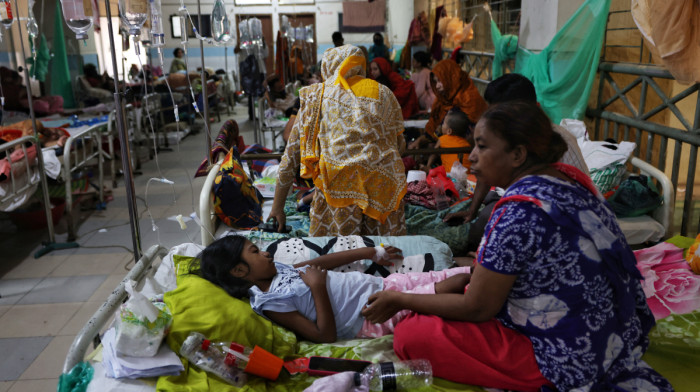
Dengue fever has killed more people in Bangladesh this year than in the whole of 2025, with October the deadliest month so far, data from Bangladesh's Health Ministry shows.
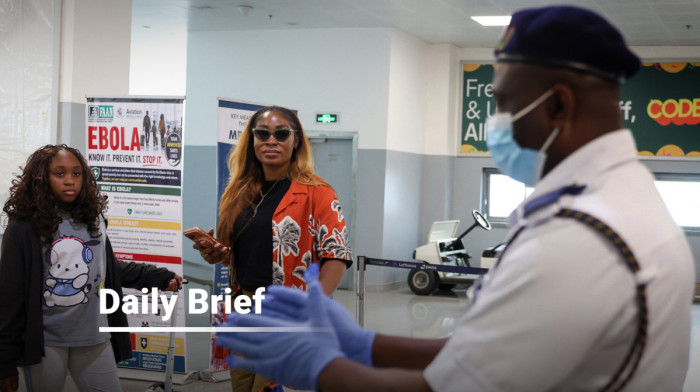
Visitors to Armenia could face temperature screening after a lab worker died from suspected Pneumonic plague in Russia, Yerevan’s Health Minister Anahit Avanesyan told lawmakers on Wednesday, Armenian state news agency Armenpress reported.
You can download the AnewZ application from Play Store and the App Store.
What is your opinion on this topic?
Leave the first comment