Wildlife researchers have identified dozens of previously unknown insect species during an expedition to Angola’s remote Lisima Plateau, a conservation group announced on Wednesday.
The Wilderness Project explored the plateau’s waterways, which feed four of Africa’s major river systems: the Congo, Okavango, Zambezi and Cuanza.
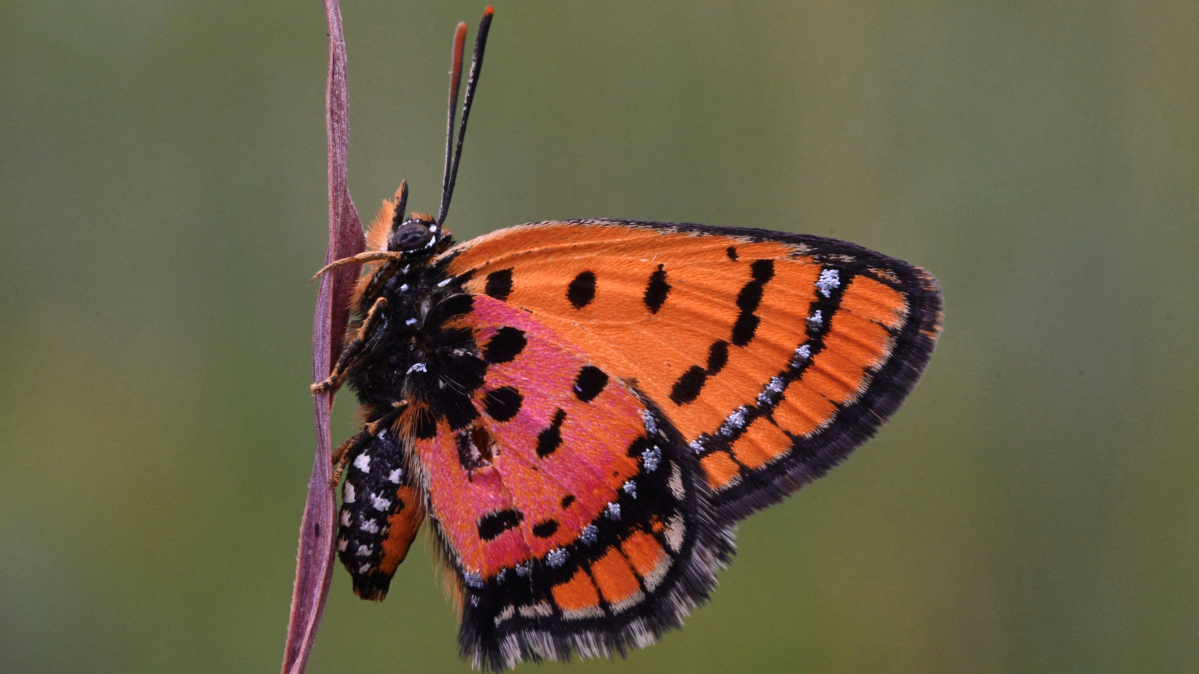
Among the discoveries were eight new dragonfly species, three previously unknown grasshoppers and around 60 new butterflies and moths displaying a range of striking colours.
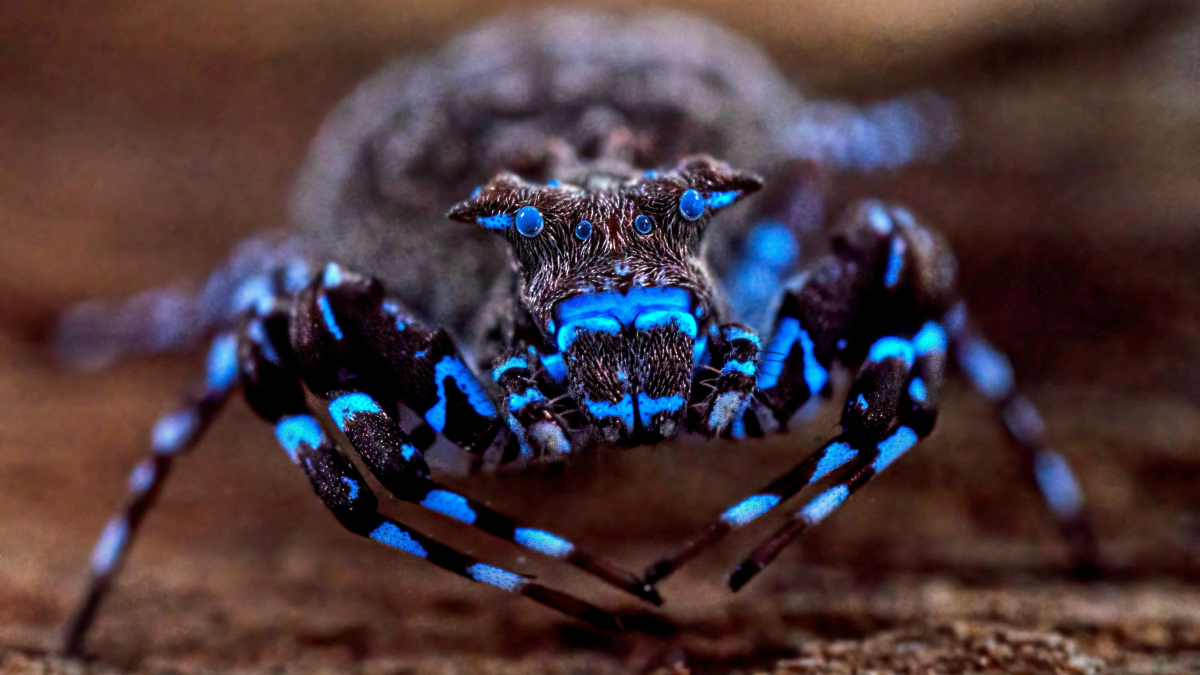
Researchers also documented an armoured predatory cricket, a newly identified copper-coloured caterpillar and its adult butterfly form, as well as a crowned crab spider that glows under ultraviolet light.
Another notable find was a new blood orange-coloured ladybird orb-weaver spider. The species mimics ladybirds by using its bright colouring to warn predators that it may be toxic or unpalatable.
Rare and unusual adaptations
Expedition leader Rob Taylor described the armoured crickets as particularly remarkable.
“The armoured crickets are very cool ... very fierce-looking,” Taylor told Reuters. “As a defence mechanism, they can actually squirt fluid onto whoever's trying to attack them.”
Race to document biodiversity
The discoveries come as scientists worldwide seek to catalogue species before they disappear amid a growing biodiversity crisis.
Researchers estimate that Earth is home to around 8.7 million species, yet only about 1.5 million have been formally identified by science.
Human activity continues to drive species loss, with more than 800 animal species believed to have become extinct since 1500 and around one million plant and animal species currently facing the risk of extinction.
Threats to the Plateau
Taylor warned that the Lisima Plateau’s unique wildlife faces increasing pressure from deforestation, tree-felling and artisanal diamond mining.
He also highlighted the impact of slash-and-burn farming, a practice that clears forests for cultivation but often leaves soil depleted as nutrients are washed away, further degrading natural habitats.





















What is your opinion on this topic?
Leave the first comment