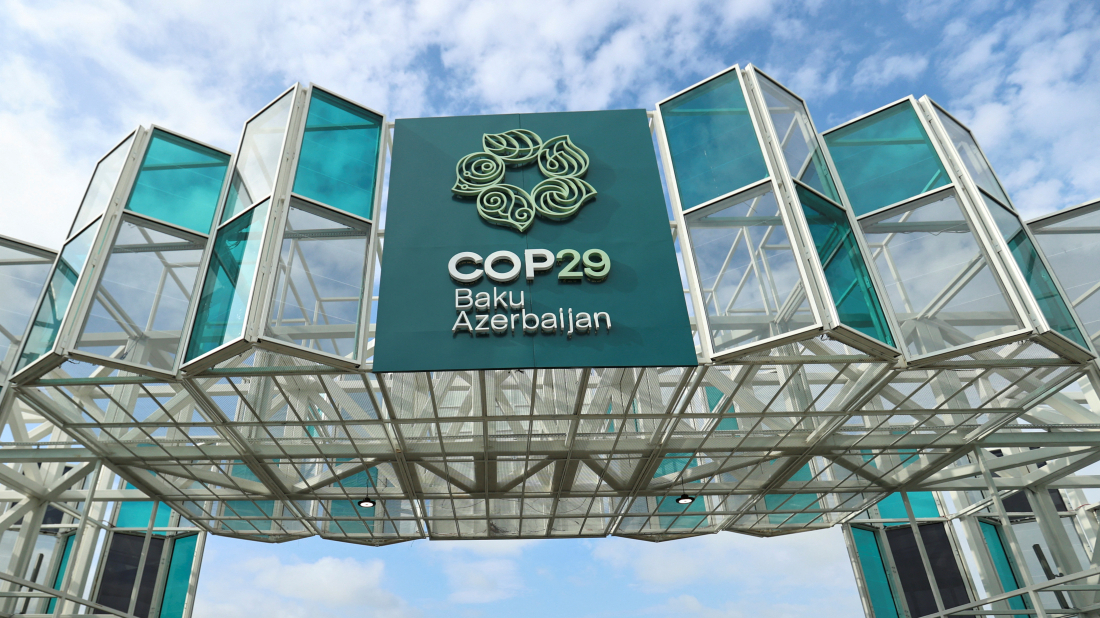
As the COP29 climate summit intensifies in Baku, discussions on the New Collective Quantified Goal (NCQG) have taken centre stage. While progress is being made behind closed doors, the negotiations remain complex, with some disagreements shaping the dialogue.
Diverging Views on Climate Finance Targets
At the heart of the NCQG debate lies a significant divide between developed and developing nations. Developing countries are pushing for an ambitious target of $1.3 trillion to address climate adaptation and mitigation. However, other proposals on the table suggest lower figures, ranging from $900 billion to $440 billion. Developed nations have emphasised the importance of a unified goal, warning against fragmenting the NCQG into multiple objectives.
Structure of Climate Finance: A Key Sticking Point
Another critical issue is the structure of the proposed climate finance. Developing nations insist on grants or concessional loans, arguing that these terms are essential to effectively support countries most vulnerable to climate change. Developed countries have yet to align on this demand, further stalling progress.
Ministerial Drafts and Timelines
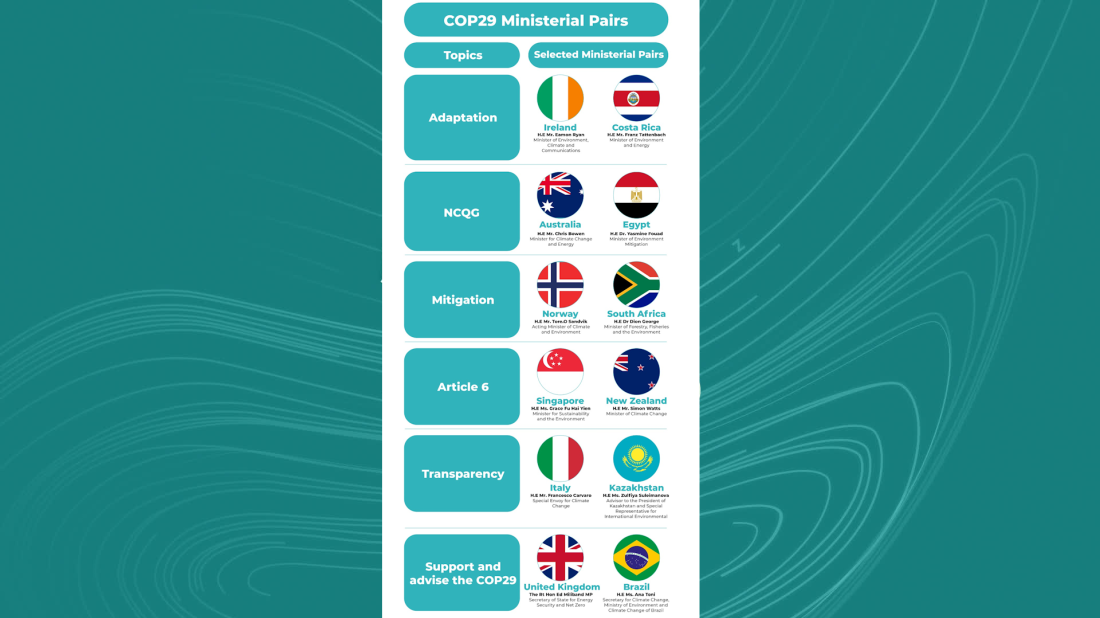
Yalçın Rəfiyev, Lead Negotiator for COP29 Azerbaijan, announced that ministerial pairs have completed draft proposals, which are expected to be shared with all parties by midnight tonight. These drafts represent a step forward in the negotiations, offering a framework for potential consensus.
The timeline is tight, with only a few days left before the summit concludes. Delegates hope that these proposals will form the foundation of a final agreement that aligns with the Paris Agreement's long-term goals.
Optimism Amid Challenges
There are positive signals from the European bloc. Acknowledging challenges to the COP process under a potential Trump administration, Europe appears keen to facilitate a decision on the NCQG now, leveraging the current window of opportunity.
Diplomatic sources suggest a growing sense of optimism among negotiators. Many recognise that if the NCQG is not finalised now, it could face delays until at least 2028. This understanding has added urgency to the discussions, with both developed and developing nations working to bridge their differences.
What's Next?
The outcome of COP29 remains uncertain, but the stakes are undeniably high. With a few days left, all eyes are on the negotiations to determine whether this summit will mark a turning point in global climate action or another missed opportunity.
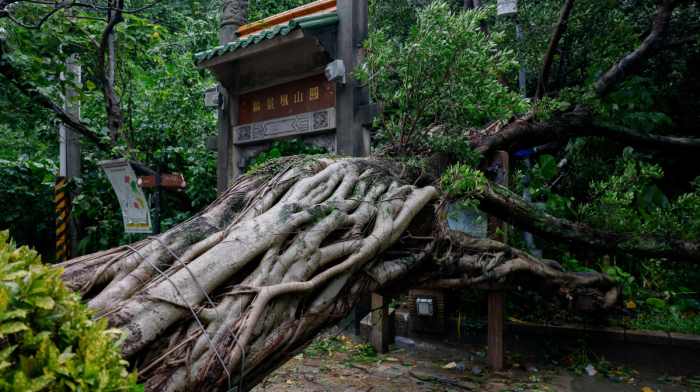
Typhoon Champi swept past Taiwan on Saturday, leaving one person dead and more than 500 injured as strong winds and torrential rain brought down trees, cut power and disrupted transport across the island.
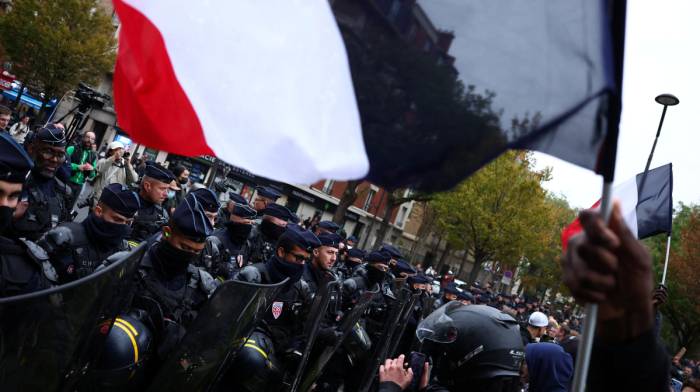
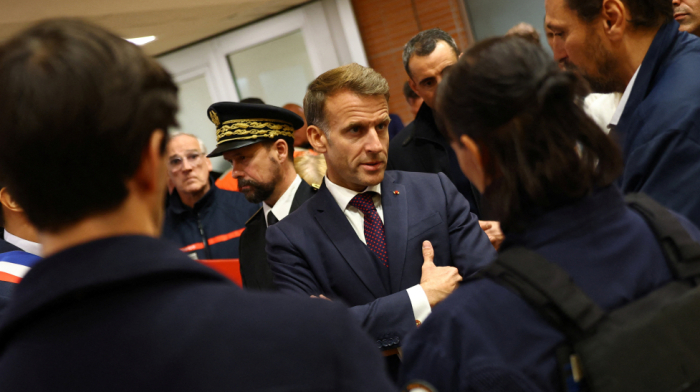
French President Emmanuel Macron on Friday described a deadly shooting in the towns of Trappes and La Verrière, west of Paris, as a racist attack and ‘a turning point’ for the country.
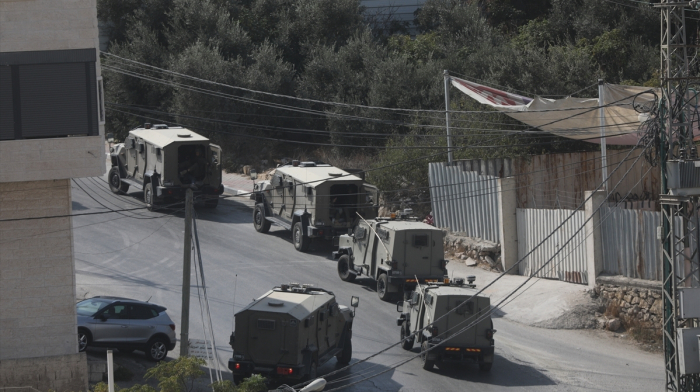
Israeli forces have maintained a tight closure on Hebron in the occupied West Bank for a second day, with Palestinian media reporting home raids, mass detentions and dozens of residents forced outside following a shooting incident the day before.
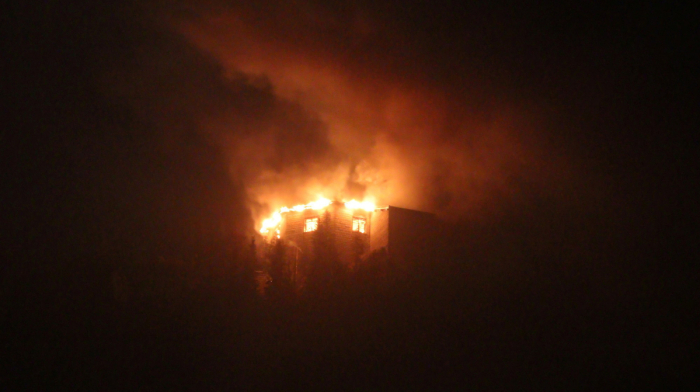
German police have detained a suspect after a major fire broke out at the historic Kehlsteinhaus, known as the “Eagle’s Nest”, a mountain retreat once used by senior Nazi officials, including Adolf Hitler.
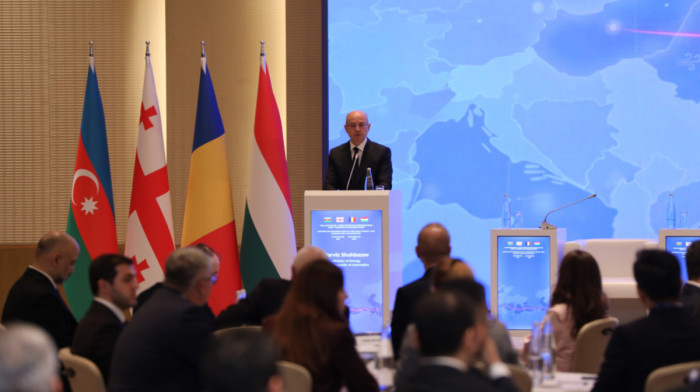
Azerbaijan is seeking international investment in a 3,000-kilometre green energy corridor to Europe, with banks, investors and energy companies gathering in Baku on Thursday to discuss financing for the ambitious project.
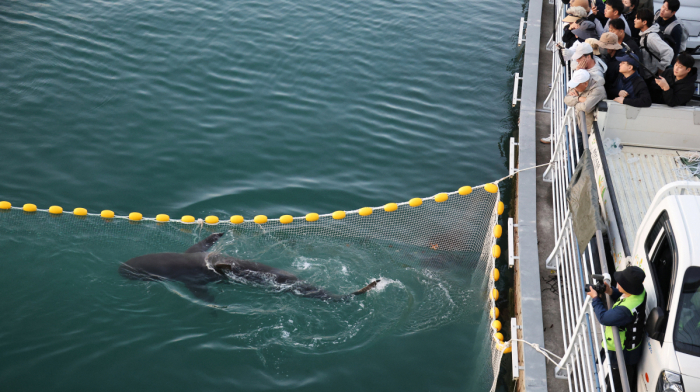
A female dusky shark trapped in a canal in Busan, South Korea, for more than a month has finally returned to the open sea after a successful rescue operation on Wednesday (21 October), following two failed attempts.
The world is on course for dangerous levels of global warming despite international climate pledges, with greenhouse gas emissions hitting record highs and the Paris Agreement’s 1.5°C target increasingly out of reach, according to a UN assessment.
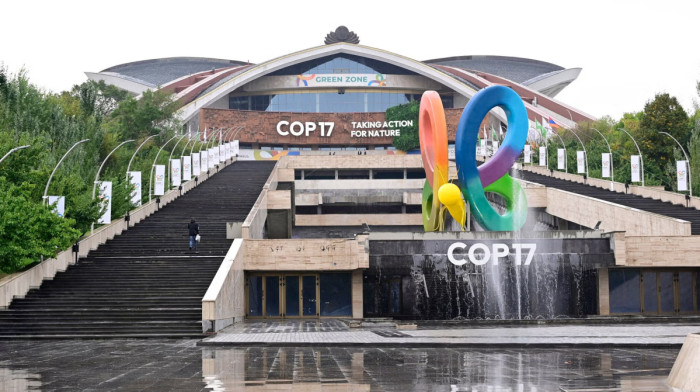
As Armenia prepares to host COP17, the 17th Conference of the Parties to the Convention on Biological Diversity, new projections reveal a widening gap between global conservation promises and what countries are on track to deliver by 2030.











What is your opinion on this topic?
Leave the first comment