Russia steps up overnight attacks, Ukraine targets Russian missile plant
A Ukrainian strike has damaged a school building in a Russian-controlled area of Ukraine’s Zaporizhzhia region, according to local authorities cited...
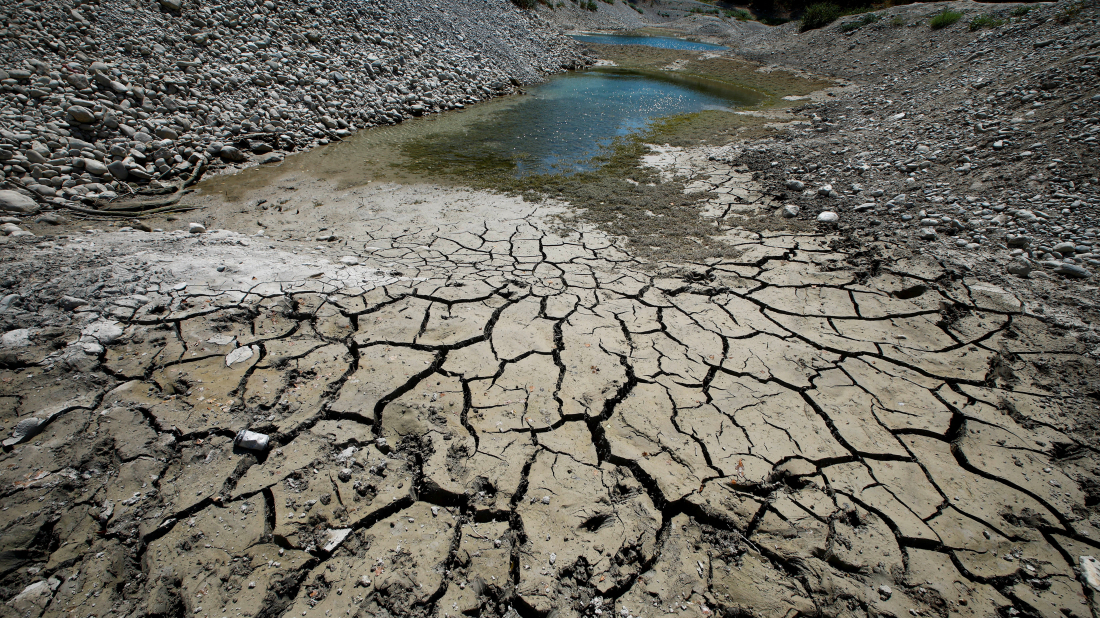
Europe is facing yet another climate-driven drought, with hotspots like Spain, Cyprus, and Greece under severe alert. Hydropower, agriculture, and tourism are already feeling the pressure after an unusually hot spring.
A new report by the European Drought Observatory (EDO) reveals that over 40% of Europe is experiencing some degree of drought, as record-breaking spring temperatures driven by climate change take a toll. Areas under the highest alert include parts of south-eastern Spain, Greece, Cyprus, and the south-eastern Balkans. These regions are dealing with dry soil, reduced rainfall, and stressed vegetation.
Popular tourist destinations such as Santorini and Mykonos are struggling with water shortages, with water being shipped in or sourced via desalination. Experts say overtourism and poor planning are exacerbating the crisis, though agriculture remains the largest consumer of water, especially in drought-affected countries like Greece.
Beyond the Mediterranean, drought warnings extend across Ukraine, Poland, Slovakia, and parts of northern and eastern Europe. Ukraine's rapidly warming climate threatens global grain supplies, while other countries are also grappling with reduced crop yields and environmental stress.
Drought conditions persist beyond Europe, affecting regions of Türkiye, the Middle East, and northern Africa, many of which have been under warning for over a year. The energy sector is also impacted, as drought and erratic rainfall challenge hydropower generation.
Climate experts confirm that global warming is intensifying droughts by raising temperatures and altering rainfall patterns. As Europe heads into summer, the continent’s capacity to recover from dry spells appears increasingly compromised.

At least thirteen people have died and sixty-six have been injured following an explosion at Qatar's main liquefied natural gas (LNG) processing hub at Ras Laffan, authorities said on Sunday.
Cape Verde’s remarkable FIFA World Cup debut continued on Sunday (21 June) as the tournament newcomers held Uruguay to a 2-2 draw. Goalkeeper Vozinha was once again at the centre of the story, this time with his mother watching from the stands.
Tehran has agreed to let the International Atomic Energy Agency (IAEA) recommence inspections of its nuclear programme, U.S. Vice President JD Vance has said. The U.S. and Iran have settled on a 60-day roadmap aimed at reaching a final deal, according to mediators Qatar and Pakistan.
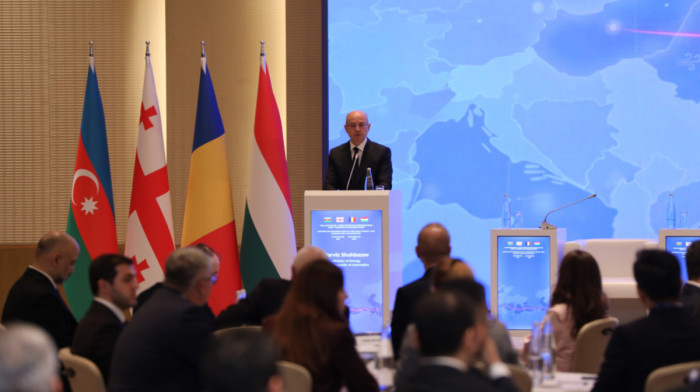
Armenia and Azerbaijan have agreed on a landmark internet deal that will allow traffic to pass through Azerbaijani networks.It's the latest deal to highlight the ongoing peace process between the two countries.
Three students have been killed and at least seven injured after two of their peers opened fire in a high school in the Philippines, police said. A spokesperson for the police said the two suspects, aged 14 and 15, had been arrested and a police pistol confiscated. Bullying is a possible motive.
Major technology, telecom, aviation and crypto-related firms have pledged to strengthen cooperation to tackle the illegal wildlife trade according to statements made at a business forum convened by United for Wildlife during London Climate Action Week.
Scientists have identified almost 166,000 square kilometres of coral reefs worldwide that appear capable of surviving and recovering from the impacts of climate change, offering new hope for some of the planet's most vulnerable marine ecosystems.
Australia's weather bureau warned on Tuesday that an El Niño weather pattern has formed in the tropical Pacific and could intensify in the second half of 2026, becoming one of the strongest events recorded in seven decades.
France’s parliament has formally recognised state responsibility for the use of the toxic pesticide chlordecone in Martinique and Guadeloupe, marking a significant step in addressing decades of environmental contamination and public health concerns.
Financial markets are significantly underestimating the economic impact of biodiversity loss, potentially leaving countries exposed to sovereign debt crises and rising borrowing costs, according to new research published on Friday.
You can download the AnewZ application from Play Store and the App Store.
What is your opinion on this topic?
Leave the first comment