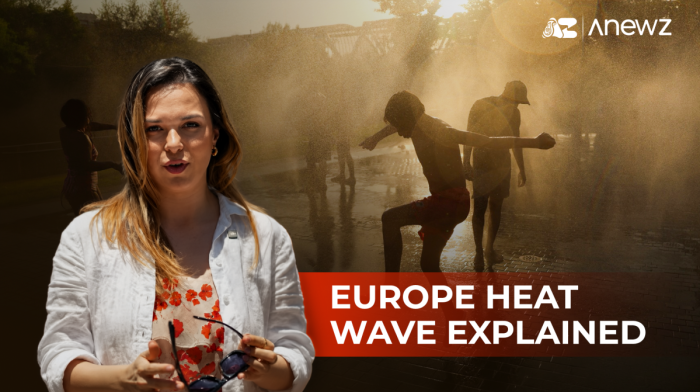
The Omega Block: Europe heat wave explained
Europe is experiencing prolonged extreme heat, with temperatures in several countries exceeding 40°C as a large-scale weather pattern remains locked in place.
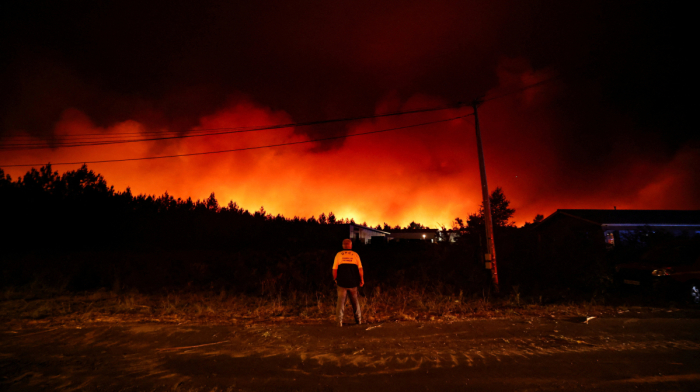
Tens of thousands of people have been evacuated as major wildfires spread across France and Spain, with authorities warning that extreme heat, strong winds and dry conditions are making the blazes increasingly difficult to control.
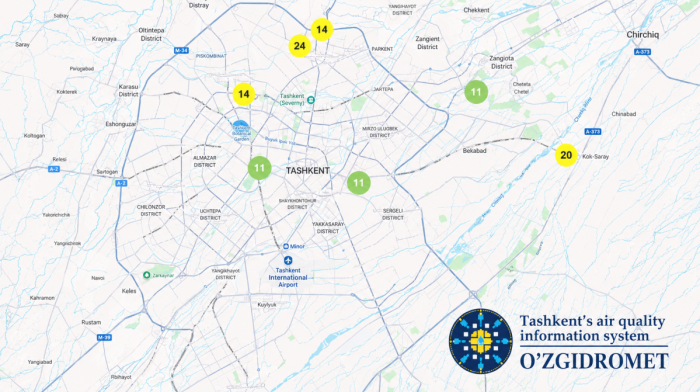
Unusually heavy rain, thunderstorms and hail during Uzbekistan's hottest season have sparked widespread debate over the causes. While some blame climate change, others have promoted conspiracy theories involving cloud seeding and so-called "weather weapons".
More than 1,000 apartment buildings in Kyiv remain without heating after Russian missile attacks crippled the city’s energy system during a sharp cold snap, Ukrainian officials say.
Dubai has launched its first-ever 'Mallathon,' a month-long event turning shopping centres into indoor running tracks to offer residents a safe way to exercise during peak summer heat, that started 1 August.
UK authorities have raised an amber heat health alert for much of southern England, warning that the ongoing heatwave could lead to a rise in deaths.
Northern Pakistan recorded some of its highest temperatures ever on Saturday, with Gilgit-Baltistan’s Chilas district reaching 48.5°C (119.3°F), breaking a 28-year-old record, according to the Meteorological Department.
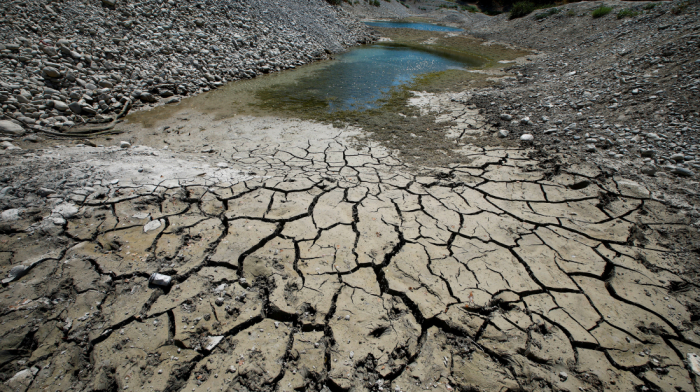
Europe is facing yet another climate-driven drought, with hotspots like Spain, Cyprus, and Greece under severe alert. Hydropower, agriculture, and tourism are already feeling the pressure after an unusually hot spring.
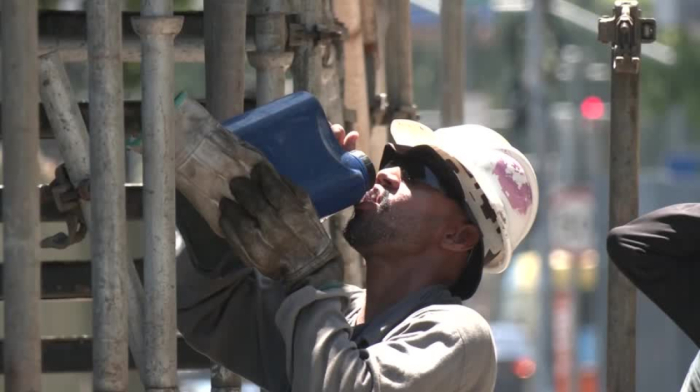
Rio de Janeiro recorded a scorching 44°C , triggering the city's highest-level heat alert for the first time, disrupting daily life and raising concerns ahead of the upcoming carnival.
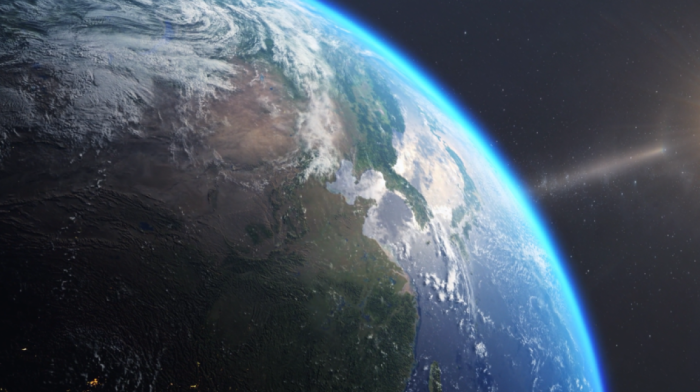
2023 defied climate expectations. It wasn’t just hotter than predicted — it was strangely hot. Now, scientists are piecing together what caused this anomaly, raising fresh concerns about Earth’s climate systems.
You can download the AnewZ application from Play Store and the App Store.