live Oil tankers ablaze near Iraq after Iranian strikes - Thursday, 12th March
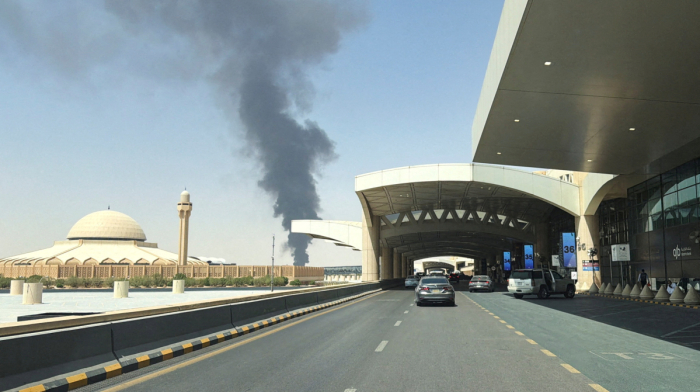
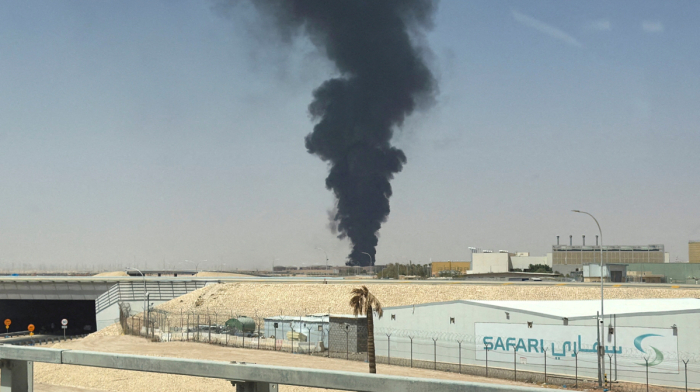
Iran set ablaze two tankers in Iraqi waters as it stepped up attacks on oil and transport facilities across the Mi...
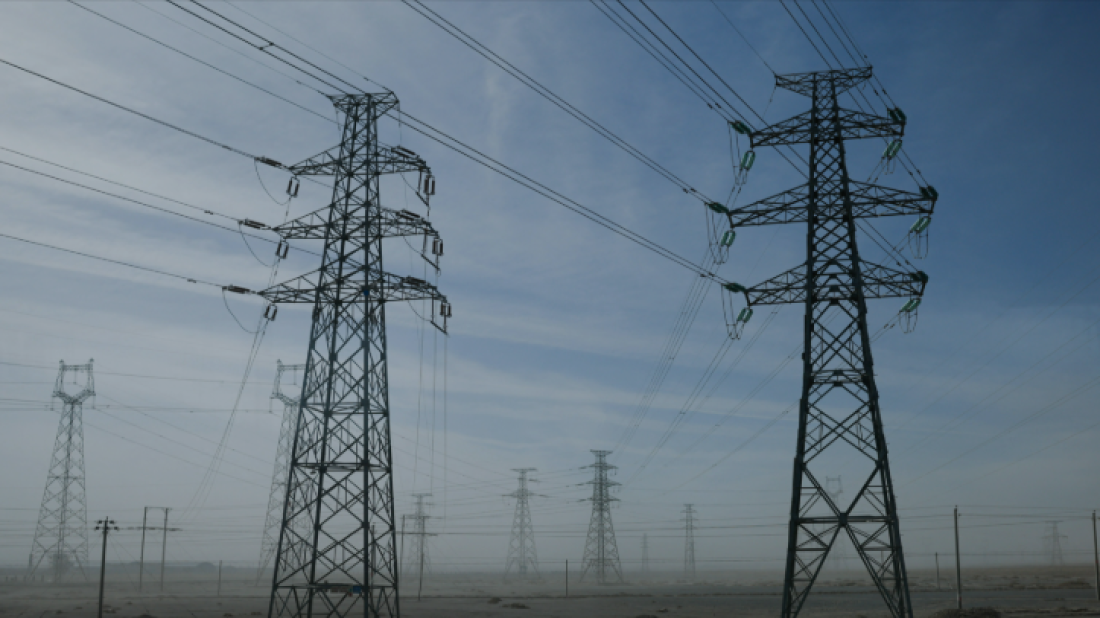
China is battling an unprecedented power surge, as temperatures push electricity demand beyond 1.5 billion kilowatts. Officials warn the real test is still to come, with risks of power rationing looming.
A prolonged heatwave stretching across southern and southwestern China—from Chongqing and Chengdu to Guangzhou—has sent power usage to record levels, exceeding 1.5 billion kilowatts.
This marks the third time in July the national power load has hit an all-time high, outpacing last year’s peak by 55 million kilowatts.
Meteorologists link the extreme temperatures to climate change and note the role of a persistent subtropical high-pressure system driving the heat.
“The power system is holding up so far,” said Chim Lee, a senior energy and climate change specialist, “but the real test will come as the summer wears on.”
Solar power drove half of June’s energy surge, while hydropower rose compared to 2023 but remained below 2022 levels.
The extreme heat is stressing infrastructure, damaging crops, cutting farm income, and disrupting ports and factories.
Forecasters say temperatures may start to drop from Monday, as a tropical depression near the Philippines could develop into a storm likely named Wipha, and move toward southern China.
However, a persistent subtropical high might block the system’s path, potentially extending the heatwave and increasing pressure on the power grid.

The 32 countries belonging to the Internatioanl Energy Agency agreed to release 400 million barrels of oil on Wednesday (11 March), in efforts aimed at bringing down the price of crude oil, which has soared since fighting between Iran, Israel and the U.S. started at the end of February.
U.S. President Donald Trump called his recent phone conversation with Russian President Vladimir Putin “very good.” The two leaders spoke on Monday about the situation in Iran and other international issues.
A towering lava fountain from Kilauea shot about 400 metres into the air late on Tuesday (11 March) on Hawaii Island, prompting temporary closures at Hawaii Volcanoes National Park and part of a key highway as volcanic ash and debris fell over nearby areas.
Start your day informed with AnewZ Morning Brief. Here are the top news stories for the 10th of March, covering the latest developments you need to know.
Australia has granted humanitarian visas to five Iranian women footballers who sought asylum, fearing persecution after refusing to sing their national anthem at an Asia Cup match.
The death toll from heavy rains and flooding in Brazil’s Minas Gerais state has risen to 46, authorities said, with 21 people still reported missing. The storms triggered landslides and widespread flooding, displacing thousands across Juiz de Fora and Uba.
The administration of U.S. President Donald Trump on Thursday (12 February) announced the repeal of a scientific finding that greenhouse gas emissions endanger human health, and eliminated federal tailpipe emissions standards for cars and trucks.
Tropical Cyclone Gezani has killed at least 31 people and left four others missing after tearing through eastern Madagascar, the government said on Wednesday, with the island nation’s second-largest city bearing the brunt of the destruction.
Rivers and reservoirs across Spain and Portugal were on the verge of overflowing on Wednesday as a new weather front pounded the Iberian peninsula, compounding damage from last week's Storm Kristin.
Morocco has evacuated more than 100,000 people from four provinces after heavy rainfall triggered flash floods across several northern regions, the Interior Ministry said on Wednesday.
You can download the AnewZ application from Play Store and the App Store.
What is your opinion on this topic?
Leave the first comment