European museums are increasingly returning cultural artefacts to countries in Africa and the Middle East, as pressure grows to address the legacy of colonialism and disputed ownership.
Institutions in countries including the Netherlands and Germany have recently returned historically significant objects taken decades - and in some cases centuries - ago. The moves have reignited debate over whether such restitutions represent genuine historical justice or are largely diplomatic gestures shaped by modern political pressures.
High-profile returns gather pace
One of the most prominent recent cases involved the return of 119 Benin Bronzes from the Netherlands to Nigeria. The artefacts were originally seized during a British military raid on the Kingdom of Benin in 1897 before eventually entering European museum collections.
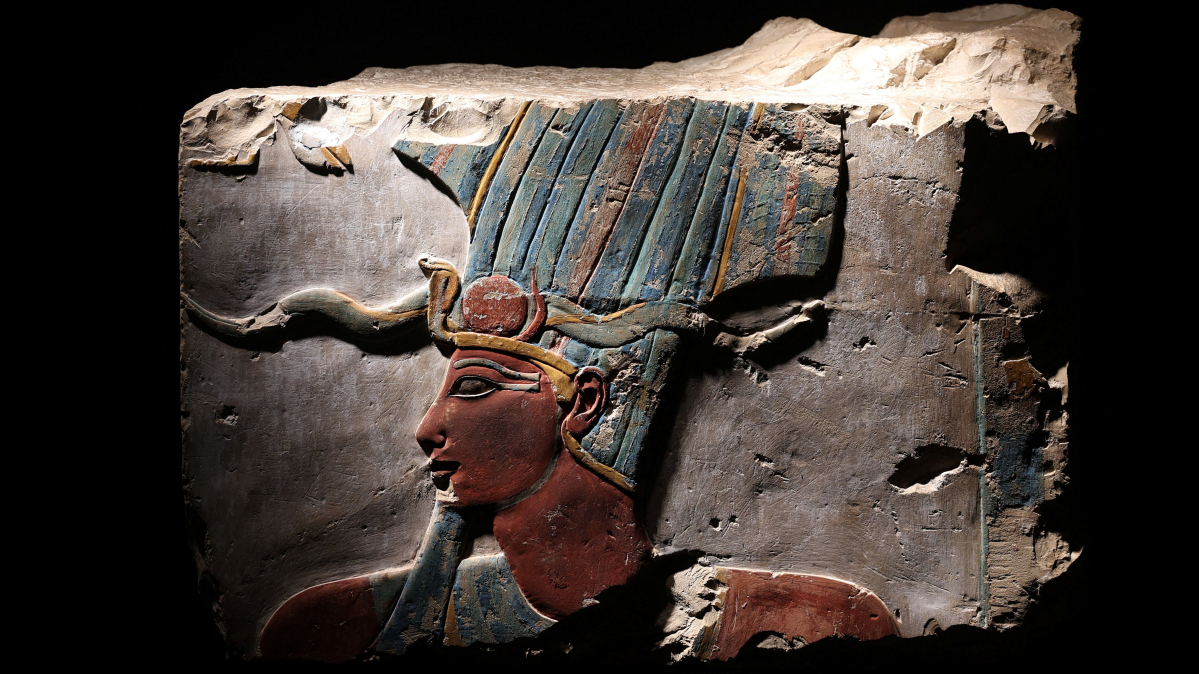
The Netherlands has also returned a 3,500-year-old sculpture to Egypt, while Germany has handed back 12 royal-era artefacts to Ethiopia.
Calls to address historical injustice
Many governments and campaign groups argue that these objects form part of a nation’s cultural identity and should never have left their countries of origin. For them, restitution is not simply about museum policy but about correcting historical wrongs linked to colonial rule.
Much of the renewed momentum has also come from provenance research, with museums increasingly investigating how objects were acquired. In some cases, records have revealed unclear ownership histories, forced acquisitions or artefacts obtained during periods of conflict and imperial expansion.
International pressure and colonial legacy
International agreements have added further pressure. The UNESCO 1970 Convention encourages countries to combat the illegal trade of cultural property and to cooperate in resolving ownership disputes involving historical artefacts.
Although museums often frame returns in legal or administrative terms, the issue remains closely tied to Europe’s colonial past. Many artefacts left their countries at a time when local populations had little political or military power to resist foreign control.
Cultural significance beyond museum collections
For countries receiving returned objects, the significance is often deeply symbolic. Governments and cultural institutions say restitution can represent recognition of national history, identity and past injustices.
The returns can also strengthen diplomatic ties. In some cases, they have led to partnerships between museums, including shared exhibitions, conservation work and academic research projects.
Criticism over the pace of restitution
However, debate continues over whether the process goes far enough. Critics argue that only a small proportion of disputed artefacts have been returned and that many high-profile gestures remain largely symbolic.
There are also practical and legal obstacles. Some European museums face restrictions under national laws that limit the removal of items from public collections. Others argue that major institutions may be better equipped to preserve fragile artefacts and make them accessible to international audiences.
A debate that extends beyond museums
As scrutiny of colonial-era collections increases, museums across Europe are facing growing pressure to reconsider how cultural objects were obtained and who should ultimately possess them.
The debate over restitution is therefore no longer limited to museums alone. It has become part of a wider discussion about history, responsibility and international relations.
The central question remains whether these returns represent a meaningful correction of the past or a diplomatic response to changing attitudes in the present.




















What is your opinion on this topic?
Leave the first comment