A federal jury has ruled that Ticketmaster and its parent Live Nation illegally controlled the U.S. concert ticket market for over a decade, a decision that could reshape how live music is sold and what fans ultimately pay.
The decision, announced on 15 April 2026, brings to an end a nearly two-year legal process that began in May 2024, when the U.S. Department of Justice, alongside a bipartisan coalition of 33 states and Washington, D.C., filed a lawsuit.
They argued that Ticketmaster and Live Nation’s control over the market was harming competition and driving up prices for fans.
The jury agreed, finding that the companies held monopoly power in the primary ticketing market for major live events.
How the system worked
To understand the case, it helps to examine how Live Nation and Ticketmaster are connected.
Live Nation is one of the world’s largest concert promoters and also owns or operates numerous venues. Ticketmaster is the primary platform used to sell tickets for those concerts. Together, they span almost every stage of the process - booking artists, managing venues and selling tickets.
According to the case, this structure gave the company excessive control.
Many venues signed exclusive agreements with Ticketmaster, preventing them from using competing ticketing firms. This made it extremely difficult for rivals such as SeatGeek or AXS to expand, particularly for major events in large arenas.
Why fans ended up paying more
The jury found that fans were overcharged by an average of $1.72 per ticket in the states involved in the case. While this may appear modest, across millions of tickets sold annually it amounts to hundreds of millions of dollars.
The issue was not only the base ticket price, but also the additional charges - service fees, processing fees and other costs. With limited competition for major events, these fees steadily increased over time.
Although artists do not fully control ticket pricing structures, they often face public backlash linked to these costs.
Artists caught in controversy
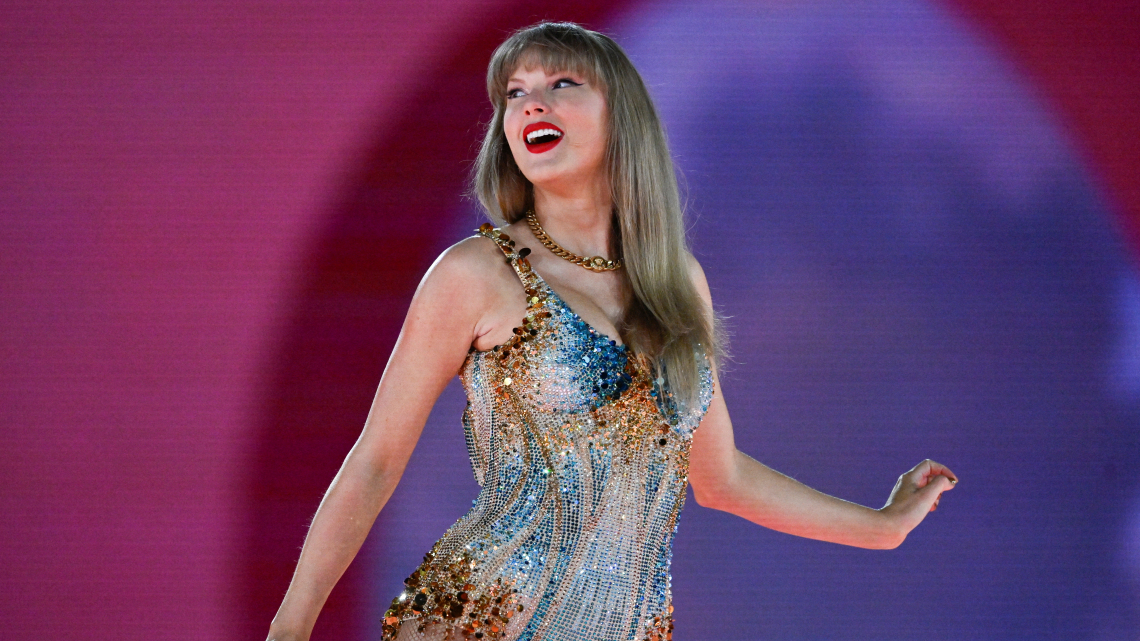
The case gained widespread attention following ticket sales for The Eras Tour by Taylor Swift, which led to significant frustration among fans. Reports included website crashes, long queues and resale tickets being listed far above face value.
Other major artists associated with criticism of the system include Bruce Springsteen, Beyoncé, Coldplay and The Rolling Stones.
Regulators argue that the broader issue is that artists and venues often have limited choice in ticketing platforms due to Ticketmaster’s dominance.
Venues tied to Ticketmaster
Many large arenas and amphitheatres across the U.S. either rely exclusively on Ticketmaster or are tied to Live Nation through long-term agreements.
This includes Live Nation-owned venues such as the House of Blues network and Brooklyn Bowl locations, alongside major amphitheatres and stadiums used for large tours and residencies.
These arrangements often required artists performing at leading venues to sell tickets through Ticketmaster.
What happens next
The verdict does not immediately change the system for fans.
The case will now move into a second phase, during which a judge will determine what penalties or remedies should be imposed.
Possible outcomes include forcing Live Nation to divest parts of its business, restricting Ticketmaster’s fees, or requiring venues to work with competing ticketing platforms. A full break-up of the companies is also under discussion, although an appeal is widely expected.
Experts note that the case is not directly about setting ticket prices. Any changes will take time to implement and are likely to face further legal challenges.
However, increased competition could eventually give fans more choice and potentially reduce fees.
Supporters of the current system argue that it enables the efficient management of large-scale tours.
Why this case matters
For years, critics have argued that Live Nation and Ticketmaster exert too much control over the live music industry. This verdict marks the first time a jury has formally agreed.
Whether this leads to meaningful change in ticket pricing and distribution will depend on the court’s next steps - and how far the system is opened to competition.






















What is your opinion on this topic?
Leave the first comment