Iran lays down pre-conditions for end to Israel-US war
Iran’s President Masoud Pezeshkian has set recognition of Tehran’s inalienable rights, payment of war ...
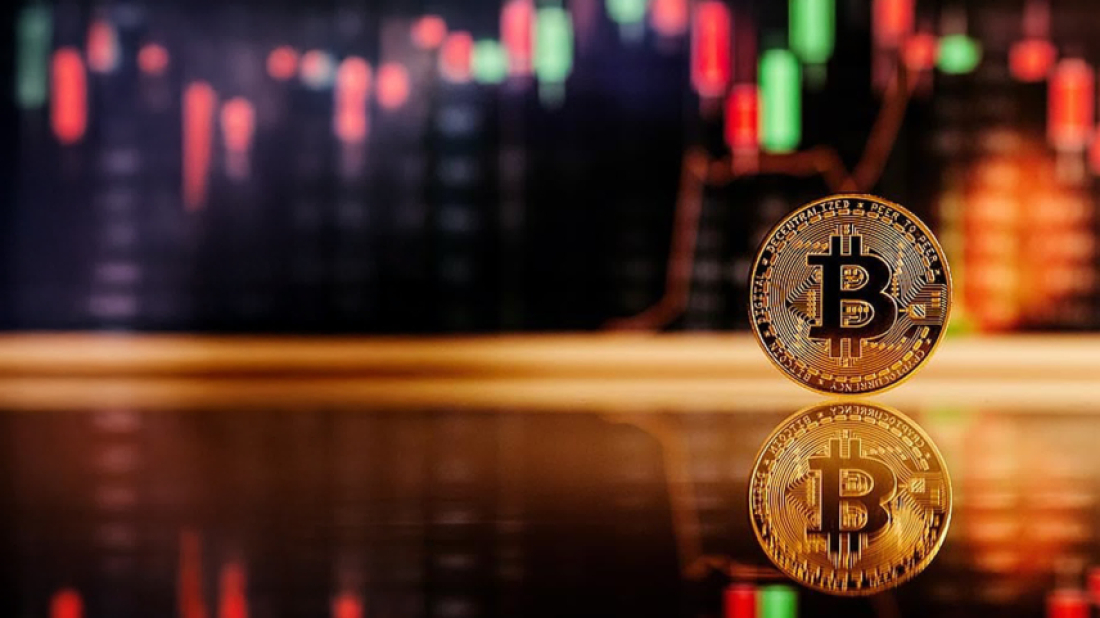
Ongoing uncertainty surrounding US President Donald Trump's tariff strategy has driven Bitcoin's value below the $75,000 mark on Monday.
Data from CoinMarketCap reveals that the overall cryptocurrency market has contracted by approximately 10.58% over the past 24 hours, with its total value falling to around $2.39 trillion.
Bitcoin, which was trading at about $74,980 as of 0700 GMT, saw its price plunge by over 10% in the last day amid fears that the aggressive tariff policy could spark a wide-scale trade war and trigger a global economic slowdown. Several of Trump's trade partners, including China and the European Union, have already announced countermeasures in response to the new tariffs.
Before Trump's April 2 announcement that the US would impose tariffs on 185 countries, Bitcoin was valued at roughly $87,000. During his election campaign, Trump had promised to transform the United States into the world's crypto center by backing digital assets and even floated a “national bitcoin reserve plan.” However, despite his support for digital currencies, he has yet to fully deliver on these promises. Notably, Bitcoin reached an all-time high of over $109,000 on the day Trump took office.
Ethereum, the second-largest cryptocurrency by market capitalization, also experienced a steep decline, dropping about 22% to approximately $1,421.

The 32 countries belonging to the Internatioanl Energy Agency agreed to release 400 million barrels of oil on Wednesday (11 March), in efforts aimed at bringing down the price of crude oil, which has soared since fighting between Iran, Israel and the U.S. started at the end of February.
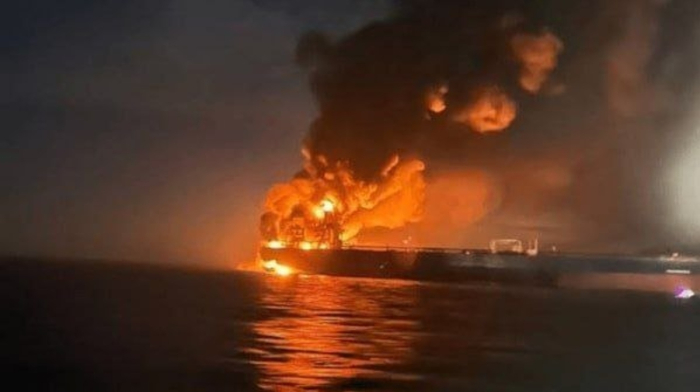
Explosive-laden Iranian boats reportedly attacked two fuel tankers in Iraqi waters on Wednesday, killing one crew member, after four other vessels were hit in the Gulf. The attacks, targeting ships linked to the U.S. and Europe, raise the total struck in the region.
A towering lava fountain from Kilauea shot about 400 metres into the air late on Tuesday (11 March) on Hawaii Island, prompting temporary closures at Hawaii Volcanoes National Park and part of a key highway as volcanic ash and debris fell over nearby areas.
The Strait of Hormuz has become a focal point of global concern as tensions rise following the conflict involving Iran, the United States and Israel. Tehran has threatened to block the strategic waterway, raising fears of disruption to global oil shipments and energy markets.
Norwegian police apprehended three brothers suspected of carrying out Sunday's (8 March) bombing at the U.S. embassy in Oslo, in an attack investigators have branded an act of terrorism.
The prevailing security situation in the region has done little to deter entrepreneurs from the Commonwealth of Independent States (CIS) who continue to view Dubai as a premier and safe location for business.
China has raised the retail prices of petrol and diesel after global oil prices climbed sharply. The country’s top economic planning body, the National Development and Reform Commission (NDRC), announced the move after reviewing international oil market trends.
Global financial markets remained on edge on Friday as the escalating war involving the United States, Israel and Iran continued to rattle investors, fuelling volatility in stocks and sending energy prices sharply higher.
China’s top leadership has unveiled a new push to turn advanced technologies into large-scale industrial priorities as part of the country’s upcoming 15th Five-Year Plan, which will guide economic and social development from 2026 to 2030.
The European Commission sees no immediate impact on the European Union's security of oil supply from the escalating conflict in the Middle East, it said in an email to EU governments, seen by Reuters on Monday (2 March).
You can download the AnewZ application from Play Store and the App Store.
What is your opinion on this topic?
Leave the first comment