The Middle East crisis is reshaping transport choices worldwide, turning electric vehicles from a long-term climate goal into an immediate economic calculation.
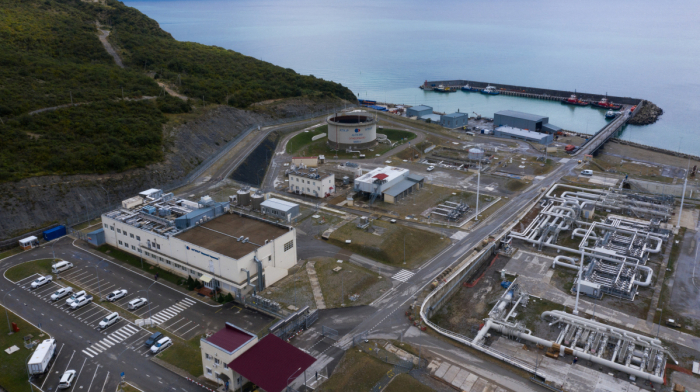
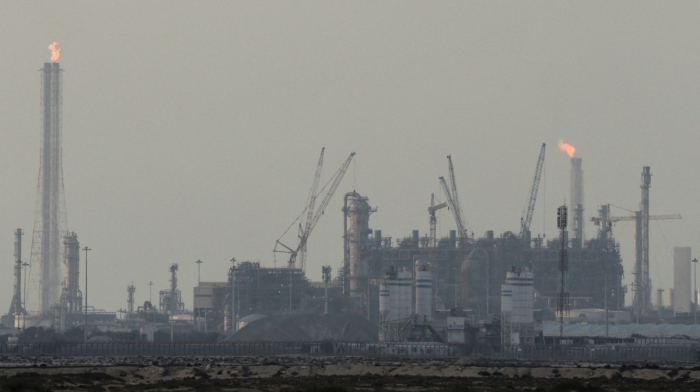
Since late February 2026, conflict involving the U.S., Israel and Iran, combined with attacks on oil infrastructure and a near-total halt to tanker traffic through the Strait of Hormuz, has sent shockwaves through global energy markets.
The strait typically carries around 20% of global oil flows, and its disruption helped push Brent crude above U.S. $100 a barrel - a level that rapidly alters fuel economics for consumers and governments alike.
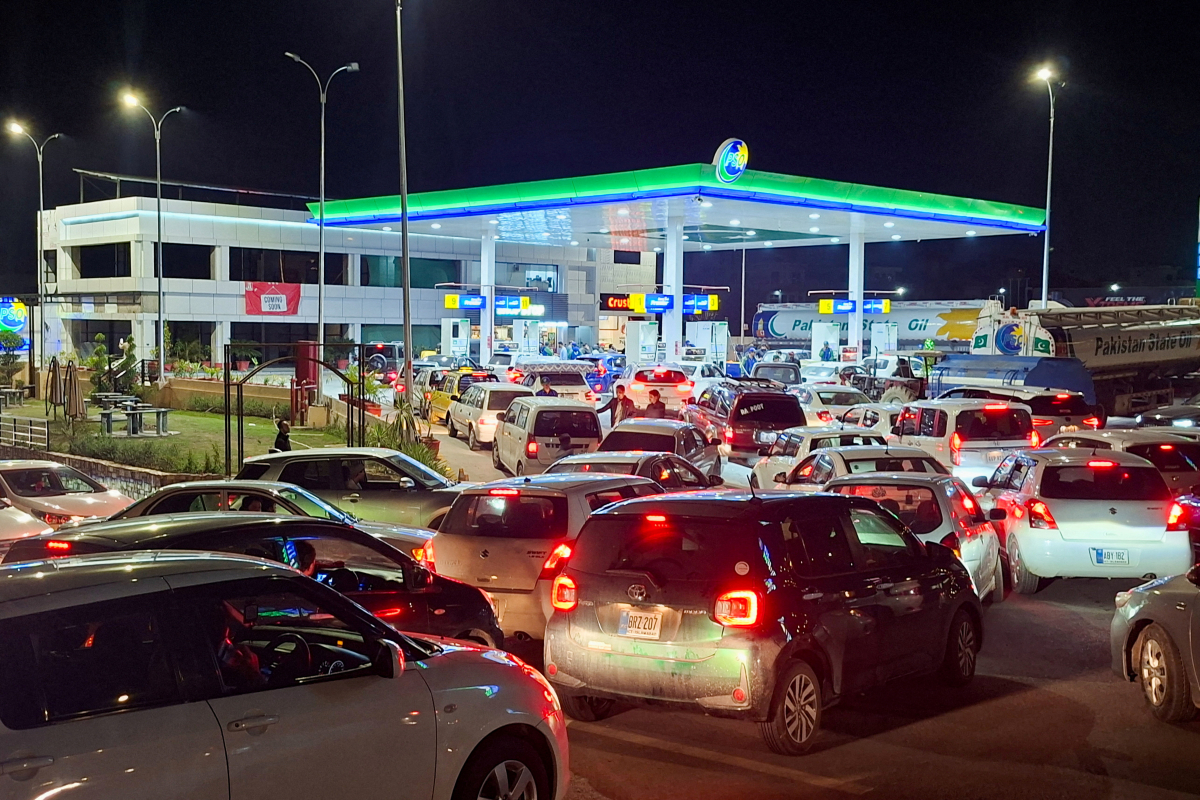
With petrol prices averaging over U.S. $4 a gallon in the U.S. and rising sharply elsewhere, the spike has triggered a renewed surge in demand for electric cars, bikes and scooters across Europe, Asia and parts of Africa. Analysts say the scale and speed of the shift suggest fuel insecurity, rather than climate policy alone, is now a major driver of electric mobility.
Europe: Fuel prices drive an EV rebound
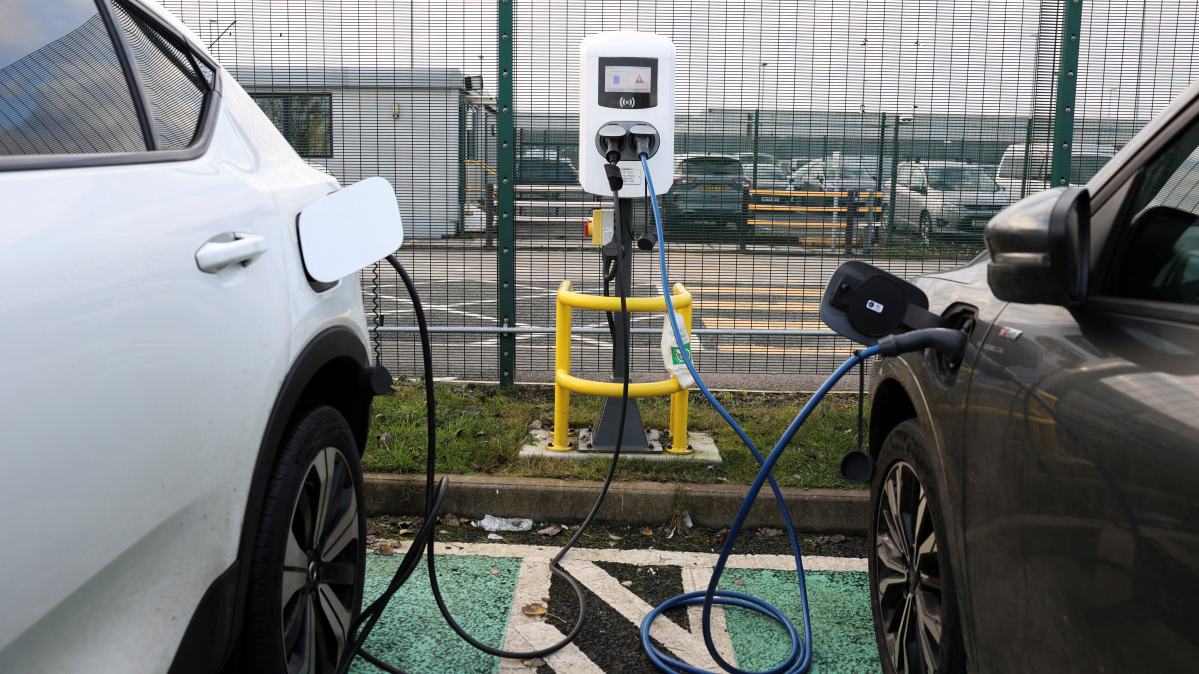
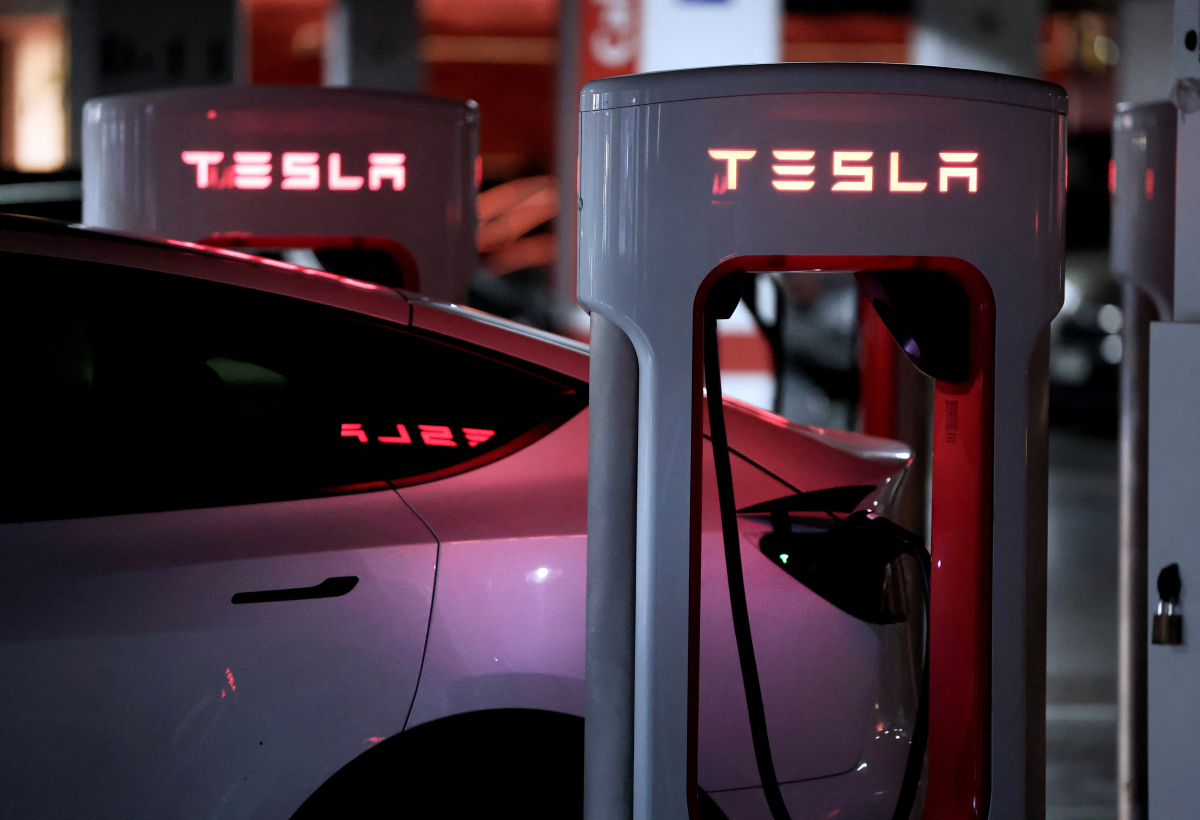
Across Germany, France, Poland, the United Kingdom and Spain, demand for electric vehicles has risen sharply since fuel prices jumped in the wake of the crisis. Benchmark Mineral Intelligence said European EV sales rose 37% year on year in March 2026, reaching almost 540,000 units for the month.
At the same time, petrol prices climbed rapidly. European Commission data showed prices rose by around 8% on average across the E.U., and by 13–14% in countries including Germany and Austria. The impact has been immediate: online searches for electric vehicles surged, with some markets recording increases of up to 160%, suggesting many drivers began reassessing their options as fuel costs climbed.
Dealers say interest that had cooled earlier in the year has returned quickly. Michal Bowsza, a Polish electric vehicle dealer, said the change has been clear since March. “We see, since March, it (sales of EVs) is being back. My expectation is that this percentage year by year, the share of EVs will go up, probably maybe even double,” he said. For many European buyers, the volatility of petrol prices has become a decisive factor rather than a background concern.
Pakistan: Electric bikes become a necessity
In Pakistan, where motorcycles are central to daily transport and incomes are far lower, the shift has been even more pronounced. A Reuters report said electric motorbike sales surged by as much as 70% at some dealerships in March, while electric vehicles accounted for more than 10% of monthly two-wheeler sales for the first time. Demand for government EV schemes has exceeded expectations several times over.
For many households, the choice is driven by affordability rather than environmental considerations. Ali Gohar Khan, owner of Ali Khan Company, said rising fuel costs have left little alternative. “Prices have already increased so much and the per capita income in Pakistan is, as you know, very low; that is why people are purchasing more electric scooters … having an electric scooter has become a necessity,” he said.
Africa: Policy accelerates the transition
In parts of Africa, governments are using policy to lock in change as global fuel markets remain volatile. Ethiopia has taken one of the most aggressive steps worldwide by banning the import of new petrol and diesel vehicles. According to EV market data platform EV24, Ethiopia’s electric vehicle fleet has grown from about 4,600 in 2023 to over 100,000 by early 2026, with adoption rising from under 1% to around 6% in just two years.
Rwanda is also emerging as a regional leader, offering zero VAT and import duty exemptions for electric vehicles, alongside investment incentives aimed at accelerating adoption and reducing reliance on imported fuel.
Not everywhere is seeing an EV surge
In Azerbaijan, an analyst said the Middle East crisis has not led to a rise in electric car imports, arguing the figures are “not so much”, “do not exceed hundreds” and have “reduced” rather than increased.
Eldaniz Jafarov, a transport expert in Baku, the capital of Azerbaijan, told AnewZ that around 100,000 vehicles entered the country over the past year, but only a small percentage were fully electric, with most imports being hybrid and petrol-powered.
He attributed the drop to local factors, saying the earlier duty exemption for new EVs has ended: “the period of their exemption has expired,” meaning “it is not convenient for entrepreneurs to import such vehicles”, and stressing that “this is not related to the conflict in the Middle East.”
A temporary spike or a lasting shift?
The key question is whether the current surge represents a short-term reaction or a lasting change. Ajay Bhatia, chief executive of Mobile.de, one of Germany’s largest online car marketplaces, described high fuel prices as a “catalyst” for an “E-Auto-Boom”. In an interview with The Guardian, he said: “In my view, this is a spike that will go down, but it will not go down completely,” adding there would be “a new, higher normal than we had before.”
As oil markets remain unstable and shipping through the Strait of Hormuz is limited, analysts say the crisis may have permanently shifted how consumers and governments think about transport - making electric mobility not just a climate choice, but a hedge against the next energy shock.





















What is your opinion on this topic?
Leave the first comment