Strait of Hormuz blockade should continue says Iran's new Supreme Leader: Middle East conflict on 12 March
Iran should continue “blocking the Strait of Hormuz,” while the U....
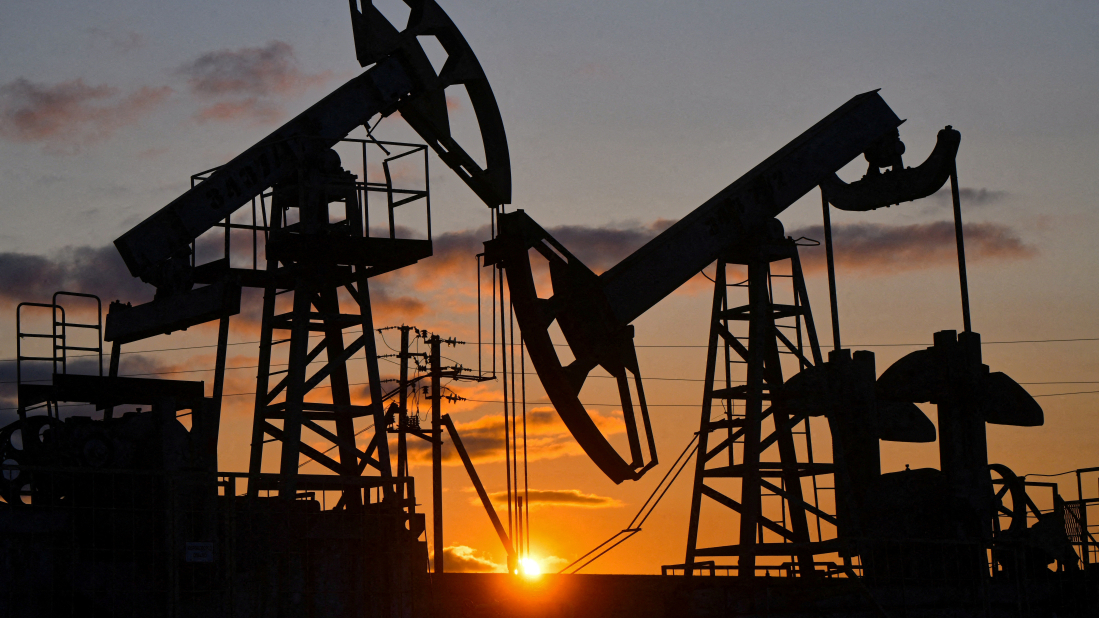
Oil prices rose on Tuesday, with analysts saying that uncertainty would keep prices elevated, even as there were no concrete signs of any production losses stemming from the Iran-Israel conflict.
Brent crude futures climbed 82 cents, or 1.1%, to $74.05 a barrel as of 0840 GMT. U.S. West Texas Intermediate crude was up 77 cents, or 1.1%, at $72.54.
Both contracts rose more than 2% earlier in the trading session but also notched declines before bouncing back in volatile trading.
Iran is the third-largest producer among members of the Organization of the Petroleum Exporting Countries and there is widespread concern the fighting could affect exports from there. Additionally, investors are watching for signs shipments through the Straits of Hormuz, through which flows about 19 million barrels per day of oil and oil products, may be impacted.
"The market is largely worried about disruption through Hormuz but the risk of that is very low, said Saxo Bank analyst Ole Hansen.
There is no appetite around closing it since Iran would lose revenue and the U.S. wants lower oil prices and wants to lower inflation, he added.
There have been no signs of supply losses but ships moving in the vicinity of the Strait and the Gulf have been affected by electronic warfare measures that have interfered with navigation systems.
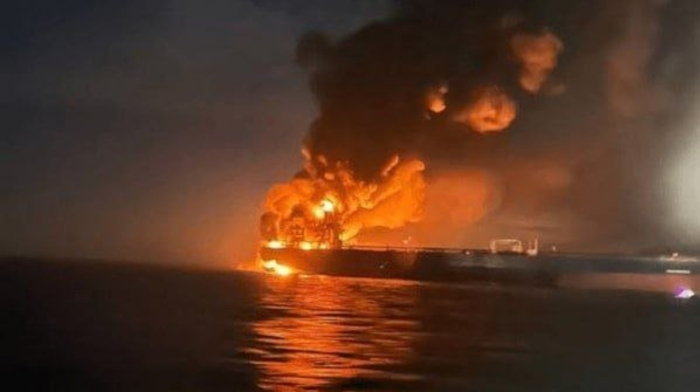
Early on Tuesday, shipping sources said a vessel collided with two other ships sailing near the Strait of Hormuz, highlighting the risks to companies moving oil and fuel supplies in the region.
Despite the potential for disruptions, there are signs oil supplies remain ample amid expectations for lower demand.
In its monthly oil report released on Tuesday, the International Energy Agency revised lower its world oil demand estimate by 20,000 bpd from last month's forecast, while increasing the supply estimate by 200,000 bpd from last month's estimate to 1.8 million bpd.
Investors are also focusing on central banks' interest rate decisions, Tamas Varga, analyst at PVM Associates said in a note, with the U.S. Federal Open Market Committee, which guides the Federal Reserves rate movements, set to meet later on Tuesday.

The 32 countries belonging to the Internatioanl Energy Agency agreed to release 400 million barrels of oil on Wednesday (11 March), in efforts aimed at bringing down the price of crude oil, which has soared since fighting between Iran, Israel and the U.S. started at the end of February.
The U.S. should shut down its military bases in the Middle East, Iran's new Supreme Leader Mojtaba Khamenei said on Thursday (12 March). His words were read out by a broadcaster on state Iranian television.
A towering lava fountain from Kilauea shot about 400 metres into the air late on Tuesday (11 March) on Hawaii Island, prompting temporary closures at Hawaii Volcanoes National Park and part of a key highway as volcanic ash and debris fell over nearby areas.
More than 68,000 children in eastern Afghanistan have been displaced after clashes between Afghan and Pakistani forces intensified along the border, according to a new report by Save the Children.
Norwegian police apprehended three brothers suspected of carrying out Sunday's (8 March) bombing at the U.S. embassy in Oslo, in an attack investigators have branded an act of terrorism.
The prevailing security situation in the region has done little to deter entrepreneurs from the Commonwealth of Independent States (CIS) who continue to view Dubai as a premier and safe location for business.
China has raised the retail prices of petrol and diesel after global oil prices climbed sharply. The country’s top economic planning body, the National Development and Reform Commission (NDRC), announced the move after reviewing international oil market trends.
Global financial markets remained on edge on Friday as the escalating war involving the United States, Israel and Iran continued to rattle investors, fuelling volatility in stocks and sending energy prices sharply higher.
China’s top leadership has unveiled a new push to turn advanced technologies into large-scale industrial priorities as part of the country’s upcoming 15th Five-Year Plan, which will guide economic and social development from 2026 to 2030.
The European Commission sees no immediate impact on the European Union's security of oil supply from the escalating conflict in the Middle East, it said in an email to EU governments, seen by Reuters on Monday (2 March).
You can download the AnewZ application from Play Store and the App Store.
What is your opinion on this topic?
Leave the first comment