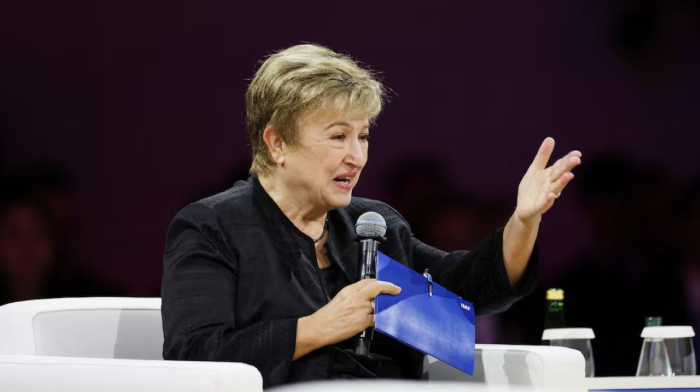
Web Summit Qatar 2026 opens as Doha positions itself as rising global tech hub
Web Summit Qatar 2026 opened in Doha on Sunday, drawing tens of thousands of founders, investors, policymakers and technology leaders to what organise...
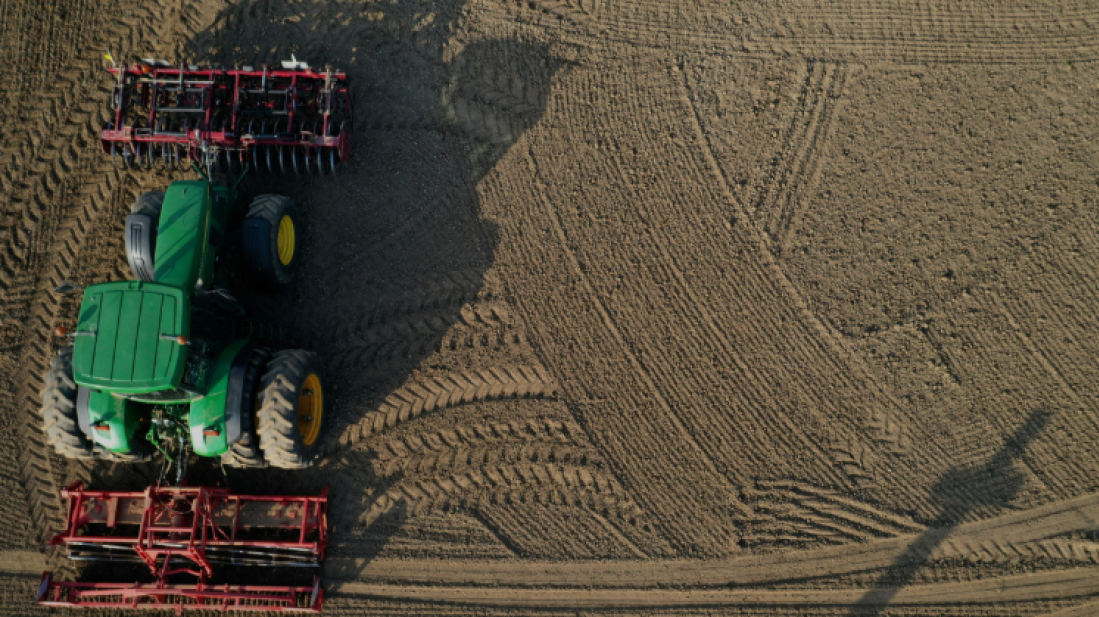
The European Union will drastically reduce imports of Ukrainian wheat and sugar, by up to 80%—to protect its farmers, a move expected to shift Ukraine's exports toward Asia and Africa.
The new quotas, confirmed Friday, mark a reversal of wartime trade liberalization that saw the EU waive duties and quotas for Ukraine following Russia’s 2022 invasion.
The new annual wheat quota is set at 1.3 million metric tons down significantly from the 4.5–6.5 million tons imported duty-free in recent years. For sugar, the EU will allow 100,000 tons annually—well below the over 500,000 tons imported in 2023/24.
Brussels says the changes are meant to stabilize European markets, as local farmers protest rising costs, relaxed rules for Ukrainian goods, and looming trade deals with other blocs.
The move could force Ukrainian producers to look toward North Africa and Asia to make up for lost EU sales.
Other changes include barley imports capped at 450,000 tons and poultry raised to 120,000 tons. The revised trade rules still need final approval from EU member states and allow for further national measures if quotas destabilize local markets.

U.S. President Donald Trump said on Saturday that the United States has begun negotiations with European leaders over Greenland and that an agreement is already taking shape.
The United States accused Cuba of interfering with the work of its top diplomat in Havana on Sunday (1 February) after small groups of Cubans jeered at him during meetings with residents and church representatives.
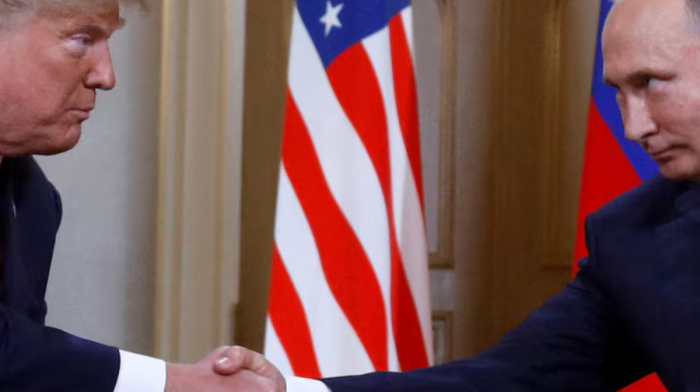
Dmitry Medvedev, said European countries have failed to defeat Russia in Ukraine and have instead inflicted serious economic damage on themselves, as he criticised EU policy, praised Donald Trump as a leader who seeks peace, and said Russia would “soon” achieve military victory in the war.
Iran’s Supreme Leader Ayatollah Ali Khamenei has warned that any U.S. military attack on Iran would spark a wider regional conflict, Iranian semi-official Tasnim news agency reported on Sunday.
U.S. president Donald Trump said Iran is “seriously talking” with the United States and expressed hope that negotiations could lead to an outcome acceptable to Washington.
U.S. stock markets finished mixed on Wednesday (28 January) as investors reacted calmly after the Federal Reserve left interest rates unchanged, a decision that had been widely expected and largely priced in.
The S&P 500 edged to a record closing high on Tuesday, marking its fifth consecutive day of gains, as strong advances in technology stocks offset a sharp selloff in healthcare shares and a mixed batch of corporate earnings.
Chevron is in talks with Iraq’s oil ministry over potential changes to the commercial framework governing the West Qurna 2 oilfield, one of the world’s largest producing assets, after Baghdad nationalised the field earlier this month following U.S. sanctions imposed on Russia’s Lukoil.
Argentina's economic activity shrunk 0.3% in November compared with the same month last year, marking the first monthly contraction of 2025, data from Argentina's national statistics agency showed on Wednesday.
Wall Street closed sharply lower on Tuesday as global markets fell after U.S. President Donald Trump’s new tariff threats against Europe unsettled investors and revived fears of renewed volatility.
You can download the AnewZ application from Play Store and the App Store.
What is your opinion on this topic?
Leave the first comment