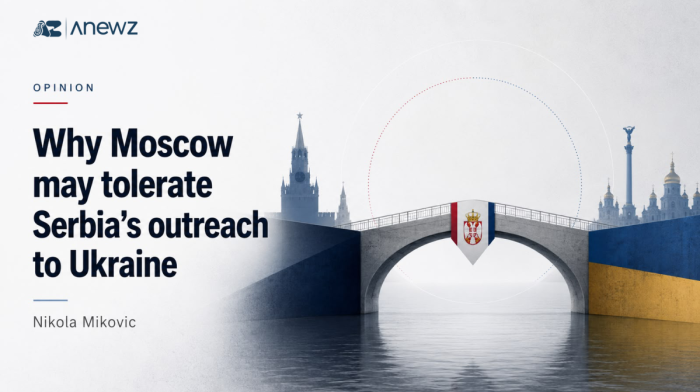
Why Moscow may tolerate Serbia's outreach to Ukraine
Aleksandar Vučić's visit to Kyiv on 15 July appeared to send a geopolitical signal. But the significance of the trip lies less in the journey itself than in the limits Serbia carefully observed.
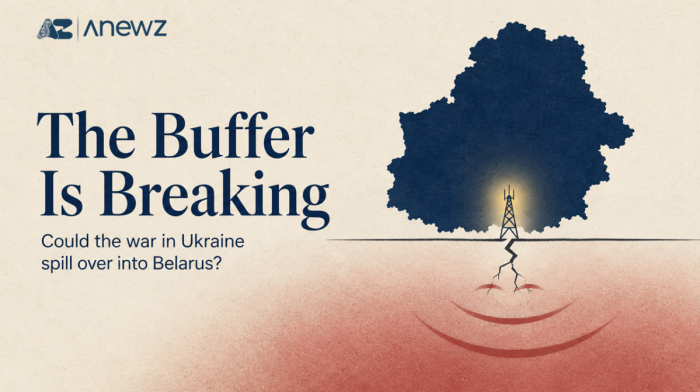
Belarus has not sent its army into Ukraine, but it is no longer outside the war.
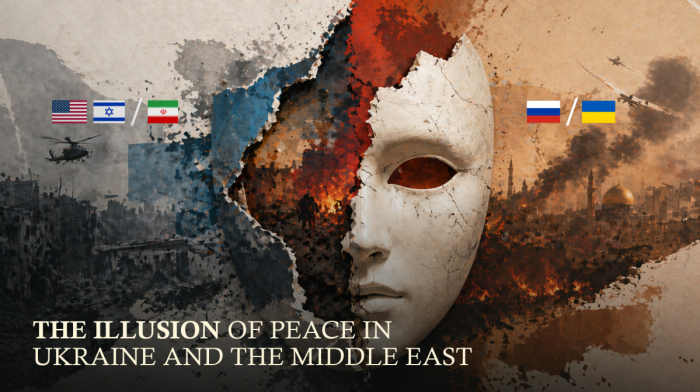
Moscow and Tehran - comprehensive strategic partners since October 2025 - appear to share a similar approach to warfare: harsh rhetoric paired with actions that contradict their claims and ultimately undermine their own strategic interests.
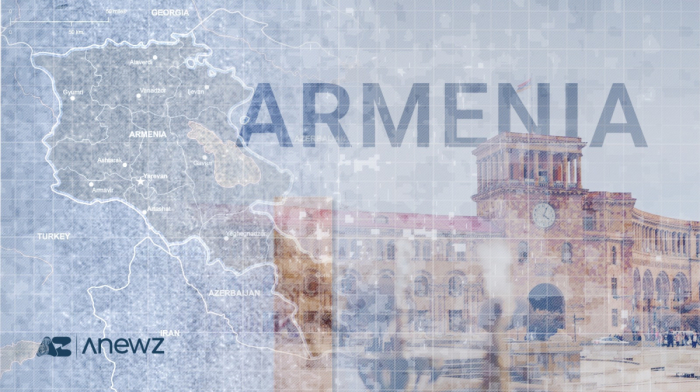
Armenia - Russia’s nominal ally in the Collective Security Treaty Organization (CSTO) - appears to be accelerating its “divorce” from Moscow. While still part of the bloc and the Eurasian Economic Union (EAEU), Yerevan is deepening ties with the West and former adversaries Azerbaijan and Türkiye.
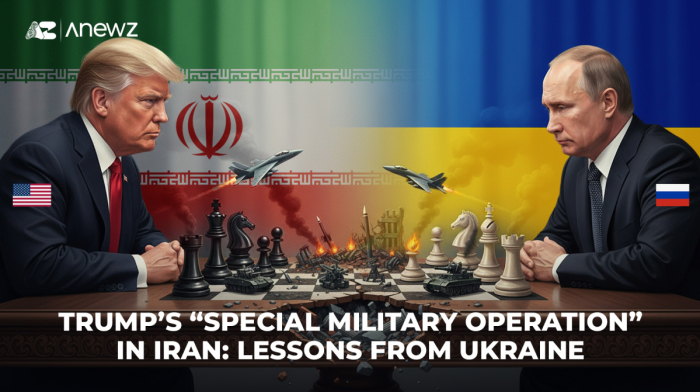
Starting a war is easy; ending one is far harder. The maxim, often attributed to Gabriel García Márquez, has held true in Ukraine. After four years of conflict, Russia has failed to achieve its strategic aims. Now the U.S. risks a similar outcome in Iran.
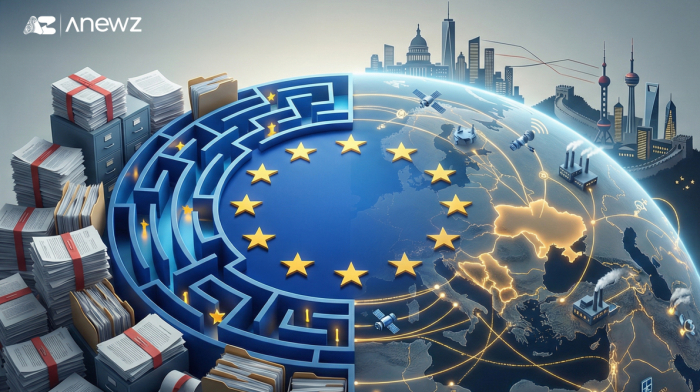
Despite its economic might, the European Union is often labelled a “geopolitical dwarf.” The only region where it acts as an indisputable player, able to assert its will with relative ease, is the Western Balkans, along with parts of Eastern Europe.
The United States’ actions in Venezuela have clearly demonstrated not only that Latin America remains firmly in Washington’s geopolitical orbit, but also that the U.S. is the only global superpower.
You can download the AnewZ application from Play Store and the App Store.