Astronauts aboard Artemis II have described the emotional toll of their historic journey as they prepare for a high-risk “fireball” re-entry. The crew is set to splash down off California on Friday (10 April) after travelling farther than any humans in history.
During their return, the spacecraft is expected to reach speeds of nearly 24,000 miles per hour as it re-enters Earth’s atmosphere. This phase will serve as a critical test of Orion’s heat shield under extreme temperatures and friction.
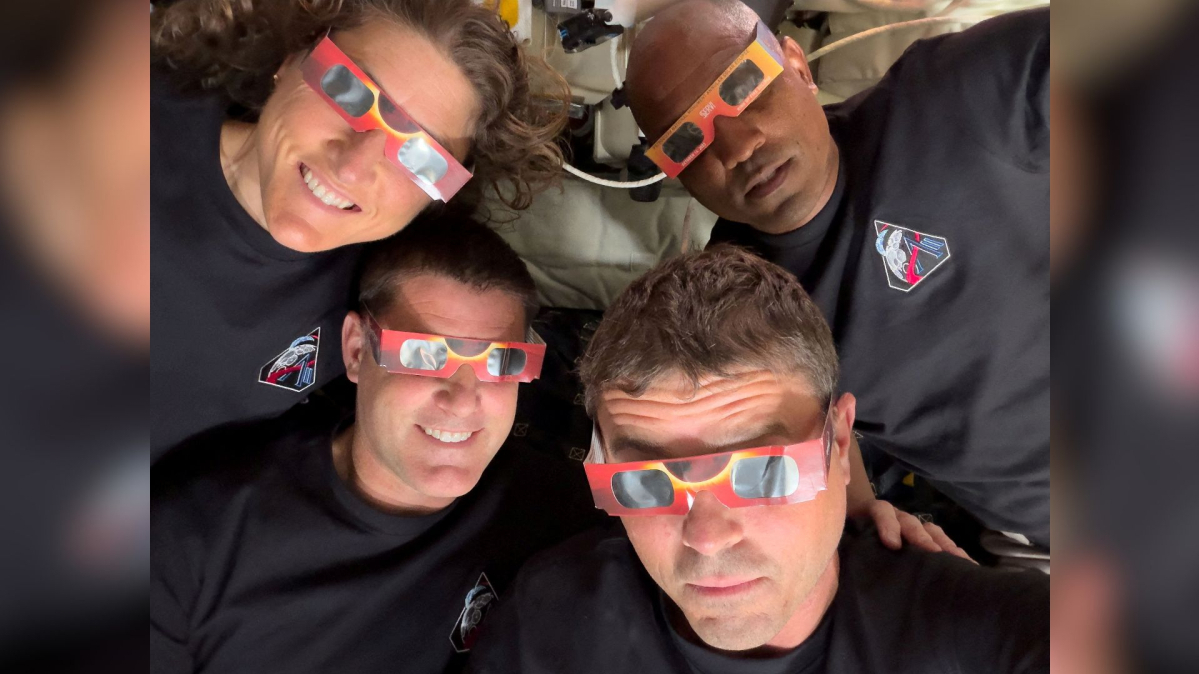
The Artemis II crew consists of four astronauts: NASA’s Reid Wiseman (commander), Victor Glover (pilot), Christina Koch (mission specialist), and CSA’s Jeremy Hansen (mission specialist).
The spacecraft reached a distance of approximately 405,555 kilometres (about 252,000 miles) from Earth, surpassing the record held by Apollo 13 for more than five decades. Their trajectory took them beyond the Moon’s far side, offering a rare vantage point and making them the farthest-travelling humans in history.
Lunar ambitions
The mission marks a key step in NASA’s Artemis programme, a multibillion-dollar effort to return humans to the Moon for the first time since Apollo 17 in 1972.
“We plan to hand [the baton] to the next crew, and every single thing that we do is with them in mind,” astronaut Christina Koch said, describing the programme.
Future missions aim to test docking systems, land astronauts on the lunar surface, and ultimately establish a sustained human presence. This is seen as a stepping stone for future missions to Mars and part of a broader space race with China.
Human aspect
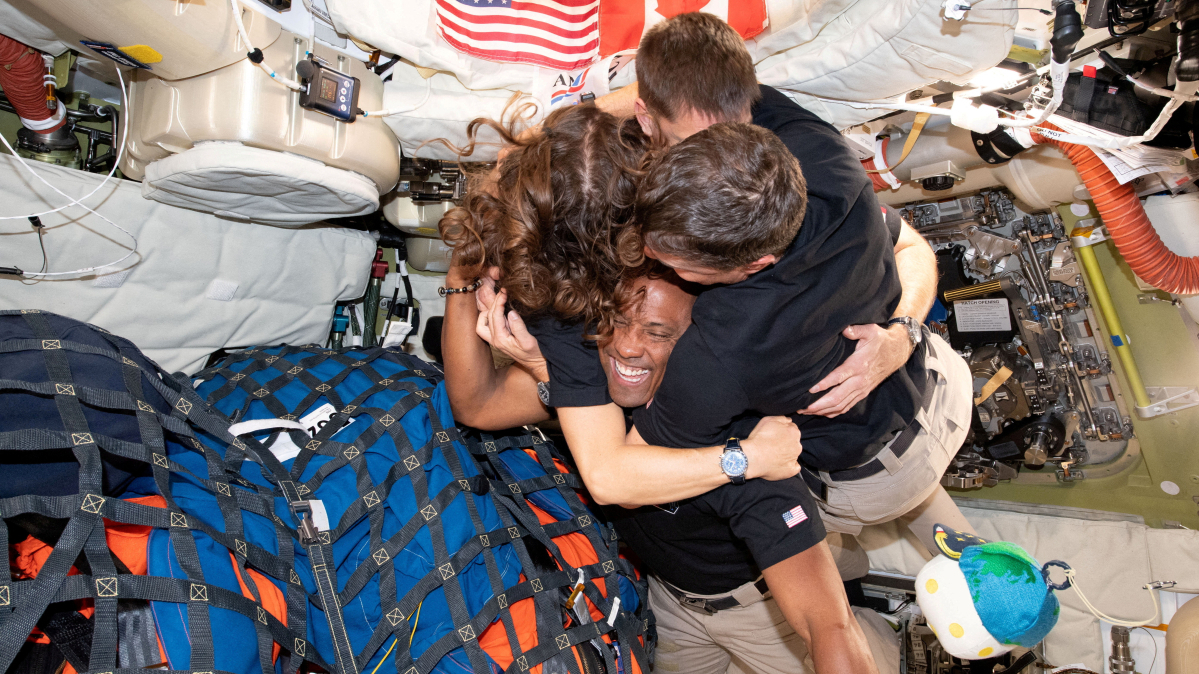
Beyond its technical achievements, the mission has also carried emotional significance. Crew members spoke of brief but powerful conversations with their families, describing moments of laughter and tears during communications from deep space.
In one poignant moment, Jeremy Hansen proposed naming a lunar crater after Reid Wiseman’s late wife, drawing emotional reactions both aboard the spacecraft and among mission control staff in Houston.
Meanwhile, scientists on Earth have been closely analysing real-time observations from the crew’s lunar flyby.
High-stakes return
The mission will culminate in a splashdown off the coast of San Diego, marking the end of a journey that scientists see as a crucial step towards unlocking mysteries about the solar system’s formation.
As the crew prepare for re-entry, all eyes remain on the spacecraft’s performance during one of the most dangerous phases of space travel.





















What is your opinion on this topic?
Leave the first comment