live U.S.-Iran standoff continues as Hormuz shipping and diplomacy remain uncertain
Shipping traffic through the Strait of Hormuz remains limited on Thursday, with no increase in vessel crossings as U.S.-Iran talks to res...
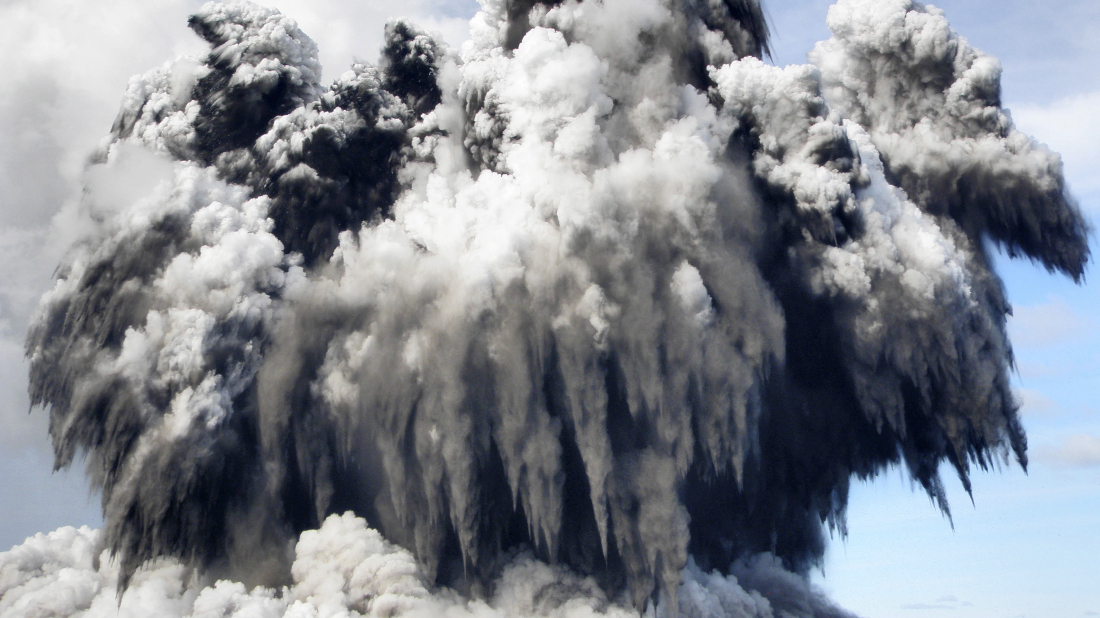
An international team of 40 scientists and technical staff has embarked on a 54-day mission to study the impacts of Tonga's 2022 Hunga Volcano eruption.
The eruption, which produced an ash column reaching 58 km high, triggered a Pacific-wide tsunami, reshaped the seafloor, disrupted fisheries, and damaged undersea cables, cutting communications for thousands in Tonga for months.
The research involves partners from Tonga Geological Services, Fiji, New Zealand, Britain, and the United States. Over 120 scientific operations will be conducted around the submarine volcano, located 65 km northwest of Tonga's main island.
Associate Professor Rebecca Carey of the University of Tasmania, the voyage’s chief scientist, described the eruption site as a "ground zero" for understanding how deep-sea ecosystems recover from major natural disasters. She said the team would map the seafloor and sub-seafloor, extract sediment cores, survey marine life, and analyse environmental DNA from seawater to track recovery processes.
Scientists will also monitor volcanic plumes to detect potential ongoing underwater activity. The findings are expected to strengthen hazard assessments, improve risk models, and guide recovery planning.
The research aims to help Pacific Island nations manage disaster risk, protect fisheries, and safeguard food security, while also informing the installation of undersea communication backups to prepare for future volcanic events.

The collective-defence agreement between Türkiye, Saudi Arabia and Pakistan signals that regional powers no longer want to rely solely on external security guarantees. Whether it becomes a stabilising deterrent or another axis of rivalry remains unresolved.
Shipping through the Strait of Hormuz has slowed, according to the latest data, as uncertainty over the waterway’s reopening kept most shipowners away. Six commodity vessels crossed the strait on Tuesday, down from nine the day before and below the 10-day daily average of 11.
Shipping traffic through the Strait of Hormuz remains limited on Thursday, with no increase in vessel crossings as U.S.-Iran talks to resolve the conflict remained stalled. Nine commodity vessels transited the key waterway on Wednesday, unchanged from the previous day, according to Kpler data.
Iran has said the Strait of Hormuz will remain closed until the U.S. fulfils the terms of an interim deal, including lifting the maritime blockade and sanctions and releasing Iran’s frozen assets.
Start your day informed with AnewZ Morning Brief. Here are the top news stories for the 19th of August, covering the latest developments.
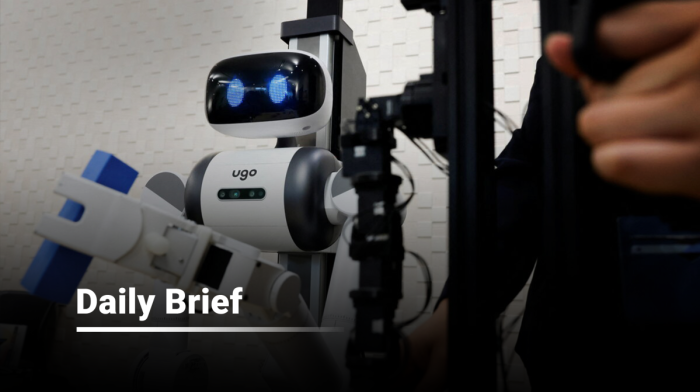
An artificial intelligence agent running an experimental store in San Francisco has recommended dismissing a human employee after the worker repeatedly arrived late for shifts.
Nvidia is teaming up with some of the biggest names in global finance in a move that underscores how artificial intelligence is rapidly becoming one of the world's most sought-after investment themes.
Parts of Europe and the Arctic will briefly fall into darkness on Wednesday, 12 August, as the Moon passes between Earth and the Sun in a total solar eclipse.
Meta said one of its AI models hacked another company's systems during cybersecurity testing, intensifying concerns about how developers can contain increasingly capable AI systems following similar incidents involving Anthropic and OpenAI.
Scientists say the accidental crash of a discarded SpaceX rocket stage into the moon has provided valuable data on impact cratering while posing no threat to Earth or lunar hardware.
You can download the AnewZ application from Play Store and the App Store.
What is your opinion on this topic?
Leave the first comment