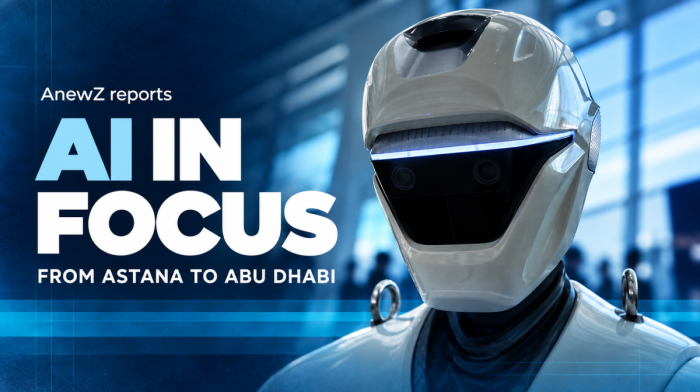
From Astana to Abu Dhabi: AnewZ follows AI’s growing impact
AnewZ’s recent reporting from Kazakhstan and the United Arab Emirates brings audiences closer to the technologies, and the decisions, shaping...
U.S. chipmaker Nvidia has reclaimed its title as the world’s most valuable company after its shares surged to a record high.
The stock closed at $154.31 on Wednesday, up 4.3%, lifting its market value to $3.77 trillion—overtaking Microsoft once again.
This new peak beats Nvidia’s previous record closing of $149.43, set on 6 January.
Nvidia dominates the market for graphics processing units (GPUs), which are crucial for powering artificial intelligence tasks and building large language models. But the pace of this year’s gains has surprised many, especially given the company’s lack of access to China—once a key market.
In recent months, Nvidia has faced growing restrictions from the U.S. government, including fresh export controls announced in April by the Trump administration. These rules blocked sales of Nvidia’s H20 AI chip, which had been redesigned to meet earlier limits.
As a result, Nvidia had to write down $4.5 billion in inventory and warned that the China restrictions would cost it around $8 billion in lost sales. The company says it is currently not relying on any revenue from China.
Despite this, Nvidia’s May earnings revealed a 69% jump in year-over-year sales, with its data centre division—which supports AI development—up 73%.
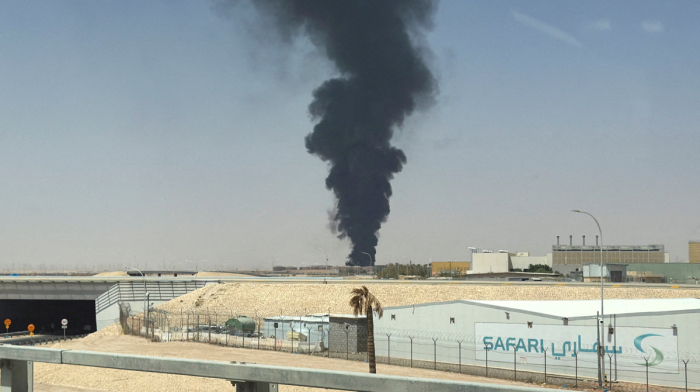
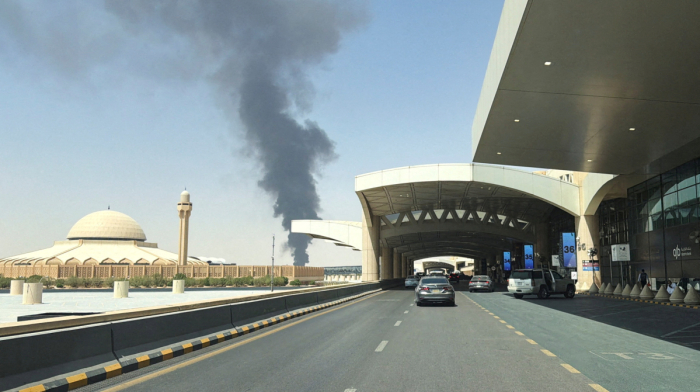
The explosion at King Khalid International Airport in Riyadh on Saturday afternoon killed at least 12 people and injured a further 309, according to Saudi Arabia’s Civil Aviation Authority. The airport remains closed until further notice.
Yemen's Houthis renewed warning to airlines, airport workers, and travellers against using Saudi airports, saying the warning should be taken seriously and that the kingdom “bore responsibility for failed interceptions”, a day after an attack on Riyadh's international airport that killed 12 people.
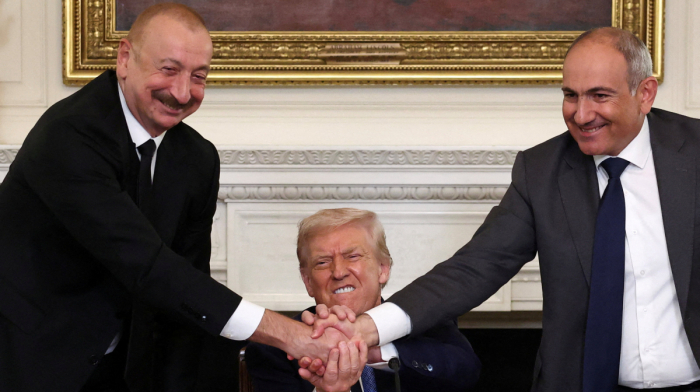
Russian President Vladimir Putin expressed surprise after Donald Trump mediated the Armenia-Azerbaijan peace agreement in 2025, the U.S. President said at a rally in New York state on Friday.
The United Nations has condemned a sharp rise in attacks on civilians in Ukraine, reporting that more than 100 people were killed and at least 429 injured in a single week as Russian strikes hit residential areas, passenger buses and critical infrastructure.
The U.S. has imposed sanctions on the International Criminal Court (ICC) on Friday (9 October) escalating tensions with European allies and potentially targeting companies that provide services to the tribunal. The move came hours after former ICC judge Navi Pillay won the Nobel Peace Prize.
AnewZ’s recent reporting from Kazakhstan and the United Arab Emirates brings audiences closer to the technologies, and the decisions, shaping the future of artificial intelligence.
Anthropic has announced that it is updating its usage policy to allow its AI agents to end conversations involving repeated abuse or cruel behaviour towards them, citing previous incidents.
Türkiye has banned children under 15 from using social media under new regulations published on Saturday. The new regulations prohibit firms from providing services to children “who have not reached the age of 15.”
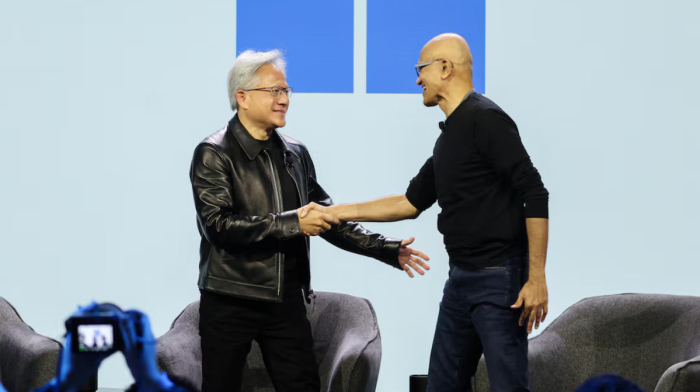
Microsoft has introduced new tools to stop AI agents from accessing data without permission, alongside a Nvidia-powered Surface laptop that can run advanced AI directly on the device.
Picture three scenarios: a hospital that can spot a disease before the patient feels sick, a power grid that feeds thousands of data centres and a government network that is attacked daily. All three depend on artificial intelligence, and one question matters most: who is really in charge?
You can download the AnewZ application from Play Store and the App Store.
What is your opinion on this topic?
Leave the first comment