Amazon launched the first 27 satellites for its Kuiper broadband internet project on Monday, marking the start of its long-delayed effort to rival SpaceX’s Starlink and provide global internet coverage from space.
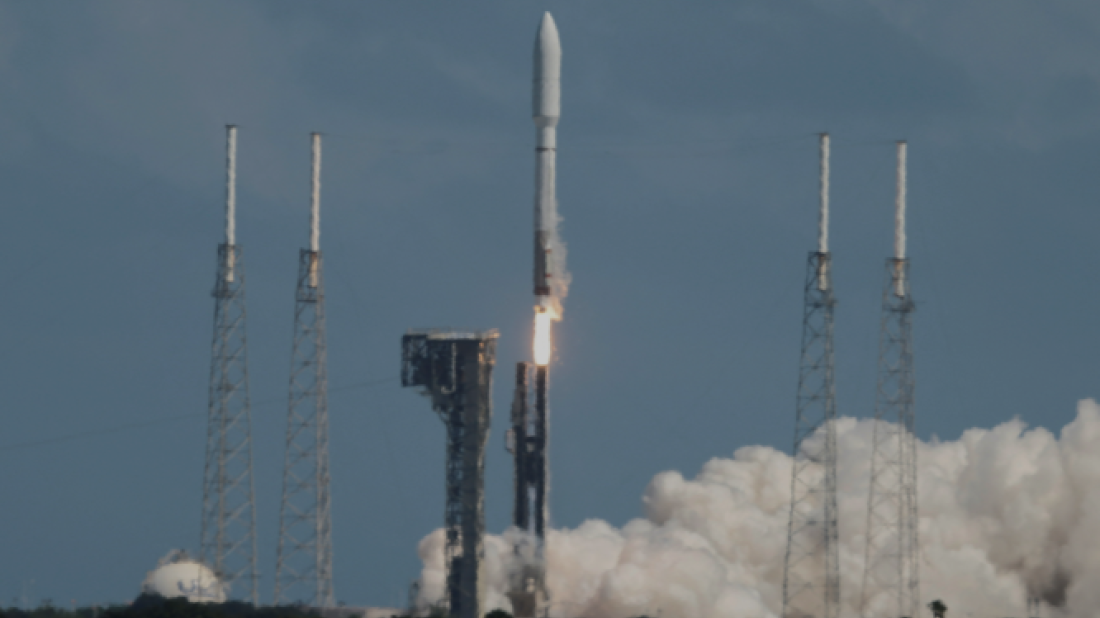
Amazon launched the first 27 satellites for its Kuiper broadband internet constellation on Monday from Florida, marking the start of its long-awaited rollout of a space-based internet network to compete with SpaceX’s Starlink. These satellites are the first of 3,236 planned for low-Earth orbit as part of Project Kuiper, a $10 billion initiative launched in 2019 to provide global broadband internet to consumers, businesses, and governments—targeting the same market that SpaceX’s Starlink has been courting for years.
The satellites were deployed aboard an Atlas V rocket from United Launch Alliance, a joint venture between Boeing and Lockheed Martin, with the launch occurring at 7 p.m. EDT from Cape Canaveral Space Force Station. The mission had been delayed by bad weather, which scrubbed the original launch attempt on April 9.
Kuiper represents Amazon’s most significant investment to date, challenging both Starlink and global telecom giants like AT&T and T-Mobile. The company has marketed the service as a solution for rural areas with limited or no internet connectivity.
The deployment of these first operational satellites has been delayed by more than a year, with Amazon originally planning to launch the first batch in early 2024. The company faces a deadline set by the U.S. Federal Communications Commission (FCC) to deploy half of its constellation, or 1,618 satellites, by mid-2026. Given the slower start, analysts predict Amazon will likely request an extension. Within hours or days after the launch, Amazon is expected to confirm initial contact with all the satellites from its mission operations center in Redmond, Washington. If successful, the company plans to begin offering service later this year.
ULA could launch up to five additional Kuiper missions in 2025, according to ULA CEO Tory Bruno. Amazon has stated that service could begin in certain northern and southern regions with just 578 satellites, with coverage expanding toward the equator as more satellites are launched.
Despite a late start in a market dominated by SpaceX, Amazon’s Project Kuiper leverages the company’s extensive consumer product expertise and its established cloud computing infrastructure, which it believes will give it an advantage over Starlink.






















What is your opinion on this topic?
Leave the first comment