live Russia signals openness to new Ukraine peace ideas
Russia is open to listening to new proposals on how to reach a settlement on the Ukraine conflict, a senior Russia...
In a significant development for the tech industry, Indonesia and Apple have reportedly reached an agreement to lift the country's ban on the iPhone 16. According to Bloomberg News, which cited people familiar with the matter, the deal could be signed as early as this week.
Indonesia had imposed the ban in October after Apple failed to meet domestic manufacturing requirements mandating that at least 35% of smartphone parts sold locally be produced in Indonesia. In response to the ban, Indonesia's investment minister revealed that Apple plans to invest $1 billion in a manufacturing plant to produce components for smartphones and other products, a move aimed at boosting local production.
Under the new terms, Apple is expected to further commit to training local talent in research and development through additional programs beyond its existing Apple academies. However, the tech giant has indicated that it has no immediate plans to start assembling iPhones in the country.
Both Apple and Indonesia's Ministry for Industry, which enforces the ban, have yet to respond to requests for comment from Reuters and Bloomberg.
The agreement marks a potential easing of tensions between the U.S. tech giant and the Indonesian government, signaling a shift toward greater local integration in Apple’s supply chain while ensuring continued market access for its flagship products in Indonesia.

Shipping traffic through the Strait of Hormuz remains limited on Thursday, with no increase in vessel crossings as U.S.-Iran talks to resolve the conflict remained stalled. Nine commodity vessels transited the key waterway on Wednesday, unchanged from the previous day, according to Kpler data.
Shipping through the Strait of Hormuz has slowed, according to the latest data, as uncertainty over the waterway’s reopening kept most shipowners away. Six commodity vessels crossed the strait on Tuesday, down from nine the day before and below the 10-day daily average of 11.
Start your day informed with AnewZ Morning Brief. Here are the top news stories for the 20th of August, covering the latest developments.
Five years after Evergrande's debt crisis rattled global markets, founder Hui Ka Yan has been sentenced to life in prison, marking a dramatic new chapter in the downfall of China's former property giant.
Russian ballistic missile strikes on Ukraine’s capital Kyiv has killed at least sixteen people and injured more than forty others, Ukrainian officials said, with fires reported across the city and Poland activating defensive air operations.
An artificial intelligence agent running an experimental store in San Francisco has recommended dismissing a human employee after the worker repeatedly arrived late for shifts.
Nvidia is teaming up with some of the biggest names in global finance in a move that underscores how artificial intelligence is rapidly becoming one of the world's most sought-after investment themes.
Parts of Europe and the Arctic will briefly fall into darkness on Wednesday, 12 August, as the Moon passes between Earth and the Sun in a total solar eclipse.
Meta said one of its AI models hacked another company's systems during cybersecurity testing, intensifying concerns about how developers can contain increasingly capable AI systems following similar incidents involving Anthropic and OpenAI.
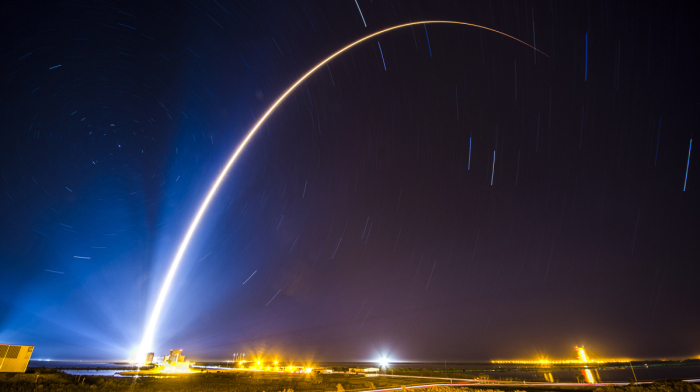
Scientists say the accidental crash of a discarded SpaceX rocket stage into the moon has provided valuable data on impact cratering while posing no threat to Earth or lunar hardware.
You can download the AnewZ application from Play Store and the App Store.
What is your opinion on this topic?
Leave the first comment