India's 'Cockroach' party leader released amid protests against election chief
Police detained hundreds of protesters in New Delhi on Sunday as demonstrations demanding the resignation of India's chief election commis...
Russia’s state communications watchdog said it is tightening restrictions on WhatsApp, claiming the US-owned platform violates Russian law and is being used to facilitate criminal activity, according to comments carried by the Tass news agency.
Roskomnadzor said the messenger app “continues to violate” Russian legal requirements and alleged it is used to organize illicit actions, recruit individuals for unlawful activities, and conduct fraud targeting Russian citizens.
The authority stressed that WhatsApp has not implemented measures demanded under local laws to prevent and counter criminal offenses.
The regulator said limitations introduced since August have gradually reduced the quality of WhatsApp calls, reiterating that the process is being rolled out in stages to allow users to transition to other services.
It recommended shifting to “national platforms” amid warnings that the app could be fully blocked if the company does not comply with Russian regulations.
Russia has increased pressure on foreign digital platforms in recent years, introducing fines, access restrictions, and data storage requirements. Previous measures targeted major global tech companies over alleged non-compliance with domestic laws.
The explosion at King Khalid International Airport in Riyadh on Saturday afternoon killed at least 12 people and injured a further 309, according to Saudi Arabia’s Civil Aviation Authority. The airport remains closed until further notice.
Yemen's Houthis renewed warning to airlines, airport workers, and travellers against using Saudi airports, saying the warning should be taken seriously and that the kingdom “bore responsibility for failed interceptions”, a day after an attack on Riyadh's international airport that killed 12 people.
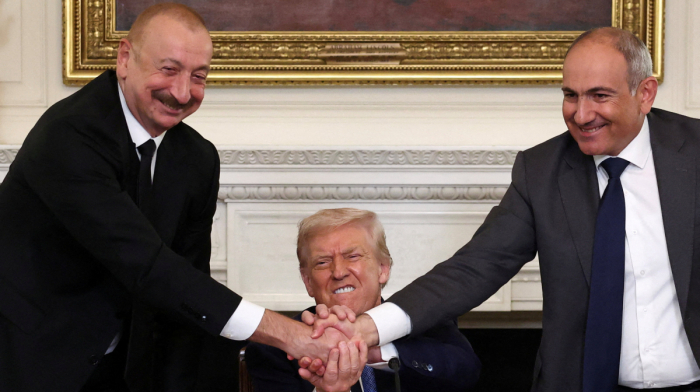
Russian President Vladimir Putin expressed surprise after Donald Trump mediated the Armenia-Azerbaijan peace agreement in 2025, the U.S. President said at a rally in New York state on Friday.
The United Nations has condemned a sharp rise in attacks on civilians in Ukraine, reporting that more than 100 people were killed and at least 429 injured in a single week as Russian strikes hit residential areas, passenger buses and critical infrastructure.
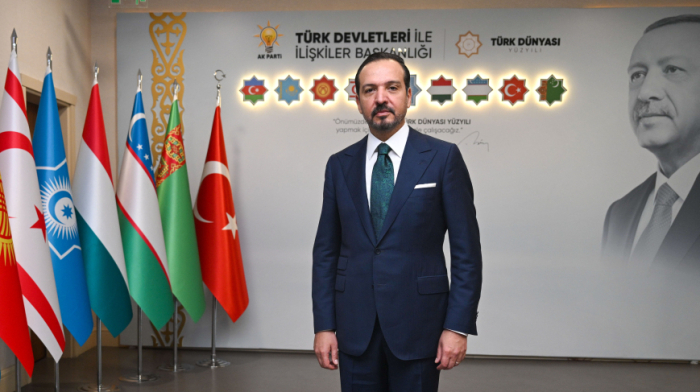
Turkic states are assessing the feasibility of passport-free travel between countries using national ID cards, Kürşad Zorlu, the Deputy Chairman of Türkiye’s ruling AK Party said on Saturday.
AnewZ’s recent reporting from Kazakhstan and the United Arab Emirates brings audiences closer to the technologies, and the decisions, shaping the future of artificial intelligence.
Anthropic has announced that it is updating its usage policy to allow its AI agents to end conversations involving repeated abuse or cruel behaviour towards them, citing previous incidents.
Türkiye has banned children under 15 from using social media under new regulations published on Saturday. The new regulations prohibit firms from providing services to children “who have not reached the age of 15.”
Microsoft has introduced new tools to stop AI agents from accessing data without permission, alongside a Nvidia-powered Surface laptop that can run advanced AI directly on the device.
Picture three scenarios: a hospital that can spot a disease before the patient feels sick, a power grid that feeds thousands of data centres and a government network that is attacked daily. All three depend on artificial intelligence, and one question matters most: who is really in charge?
You can download the AnewZ application from Play Store and the App Store.
What is your opinion on this topic?
Leave the first comment