From Astana to Abu Dhabi: AnewZ follows AI’s growing impact
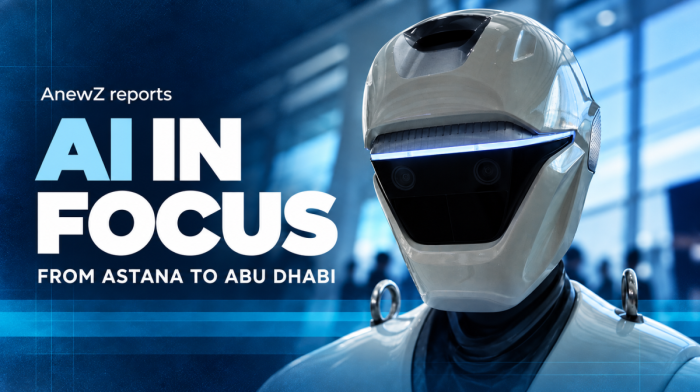
AnewZ’s recent reporting from Kazakhstan and the United Arab Emirates brings audiences closer to the technologies, and the decisions, shaping...
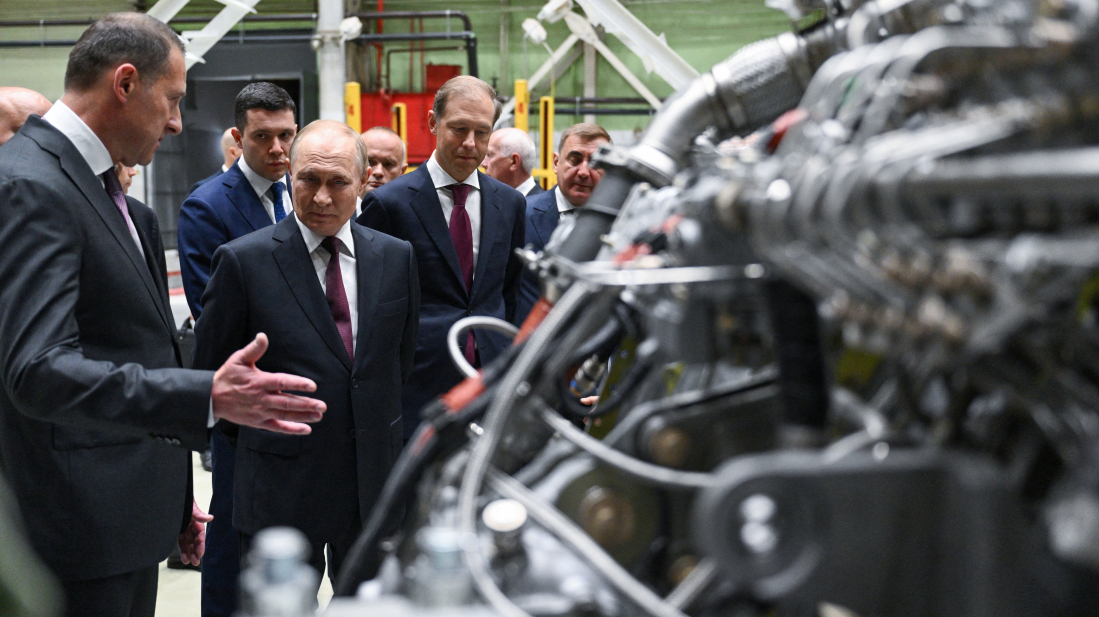
Russian President Vladimir Putin on Friday urged Russia’s aerospace industry to step up efforts to develop booster rocket engines and expand the country’s role in global space technology.
Speaking in the southern city of Samara after touring the Kuznetsov aircraft engine design bureau, Putin said renewing production capacity for launch vehicle engines was vital both to meet domestic needs and to compete internationally.
“It is important to consistently renew production capacity in terms of engines for booster rockets,” Russian news agencies quoted him as saying.
“And in doing so, we must not only meet our own current and future needs but also move actively on world markets and be successful competitors.”
Putin highlighted Russia’s progress in developing new engines for the energy sector despite Western sanctions imposed after the 2022 invasion of Ukraine, calling it proof of the industry’s resilience.
“In conditions of restrictions from sanctions, we succeeded in a short period of time in developing a series of innovative engines for energy,” he said, noting their use in gas transport systems.
He linked the issue to Russia’s wider energy ambitions, particularly the planned Power of Siberia 2 pipeline under discussion with China. Putin described the project as beneficial for both Moscow and Beijing, saying it had gained urgency as Russia seeks to redirect gas exports away from Europe.
Turning to aviation, the president pointed to the development of the PD-26 engine, which he said would modernise military transport aircraft and enable construction of a new generation of wide-bodied passenger planes.
Putin’s visit to Samara capped a week in which he also travelled to China and Vladivostok, using public appearances to underline Russia’s technological and industrial ambitions amidst sanctions and geopolitical isolation.

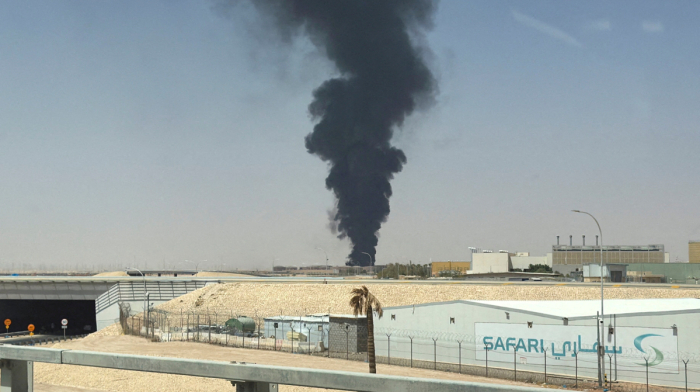
The explosion at King Khalid International Airport in Riyadh on Saturday afternoon killed at least 12 people and injured a further 309, according to Saudi Arabia’s Civil Aviation Authority. The airport remains closed until further notice.
Yemen's Houthis renewed warning to airlines, airport workers, and travellers against using Saudi airports, saying the warning should be taken seriously and that the kingdom “bore responsibility for failed interceptions”, a day after an attack on Riyadh's international airport that killed 12 people.
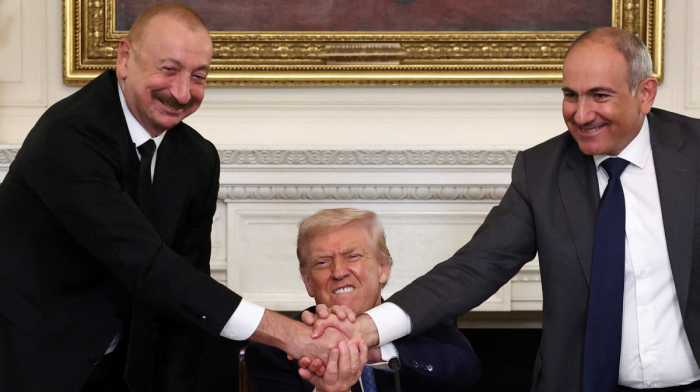
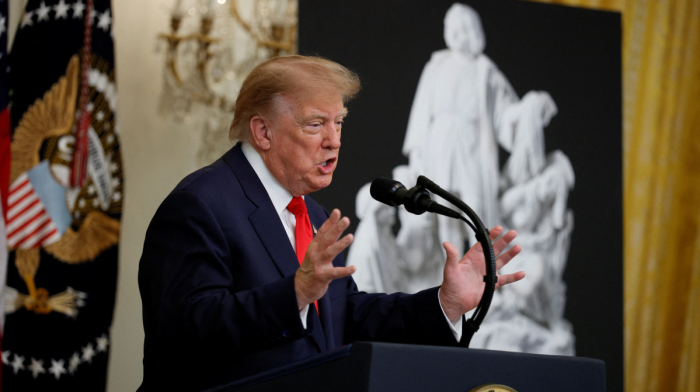
Russian President Vladimir Putin expressed surprise after Donald Trump mediated the Armenia-Azerbaijan peace agreement in 2025, the U.S. President said at a rally in New York state on Friday.
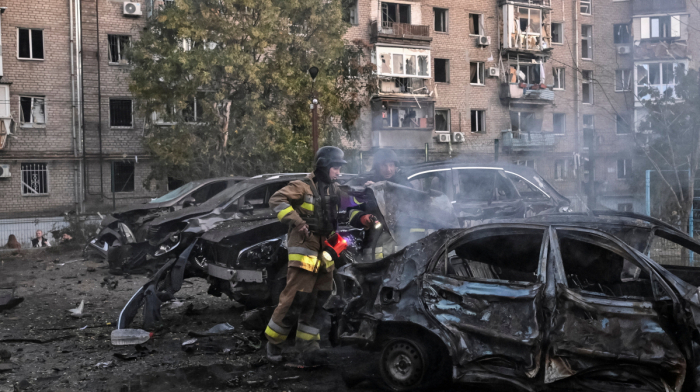
The United Nations has condemned a sharp rise in attacks on civilians in Ukraine, reporting that more than 100 people were killed and at least 429 injured in a single week as Russian strikes hit residential areas, passenger buses and critical infrastructure.
The U.S. has imposed sanctions on the International Criminal Court (ICC) on Friday (9 October) escalating tensions with European allies and potentially targeting companies that provide services to the tribunal. The move came hours after former ICC judge Navi Pillay won the Nobel Peace Prize.
AnewZ’s recent reporting from Kazakhstan and the United Arab Emirates brings audiences closer to the technologies, and the decisions, shaping the future of artificial intelligence.
Anthropic has announced that it is updating its usage policy to allow its AI agents to end conversations involving repeated abuse or cruel behaviour towards them, citing previous incidents.
Türkiye has banned children under 15 from using social media under new regulations published on Saturday. The new regulations prohibit firms from providing services to children “who have not reached the age of 15.”
Microsoft has introduced new tools to stop AI agents from accessing data without permission, alongside a Nvidia-powered Surface laptop that can run advanced AI directly on the device.
Picture three scenarios: a hospital that can spot a disease before the patient feels sick, a power grid that feeds thousands of data centres and a government network that is attacked daily. All three depend on artificial intelligence, and one question matters most: who is really in charge?
You can download the AnewZ application from Play Store and the App Store.
What is your opinion on this topic?
Leave the first comment