Head of Kazakhstan's sovereign wealth fund arrested in corruption probe
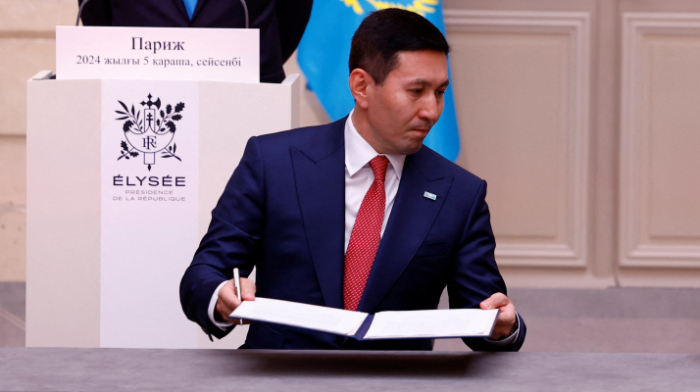
Kazakhstan’s security service has arrested Nurlan Zhakupov, CEO of ...
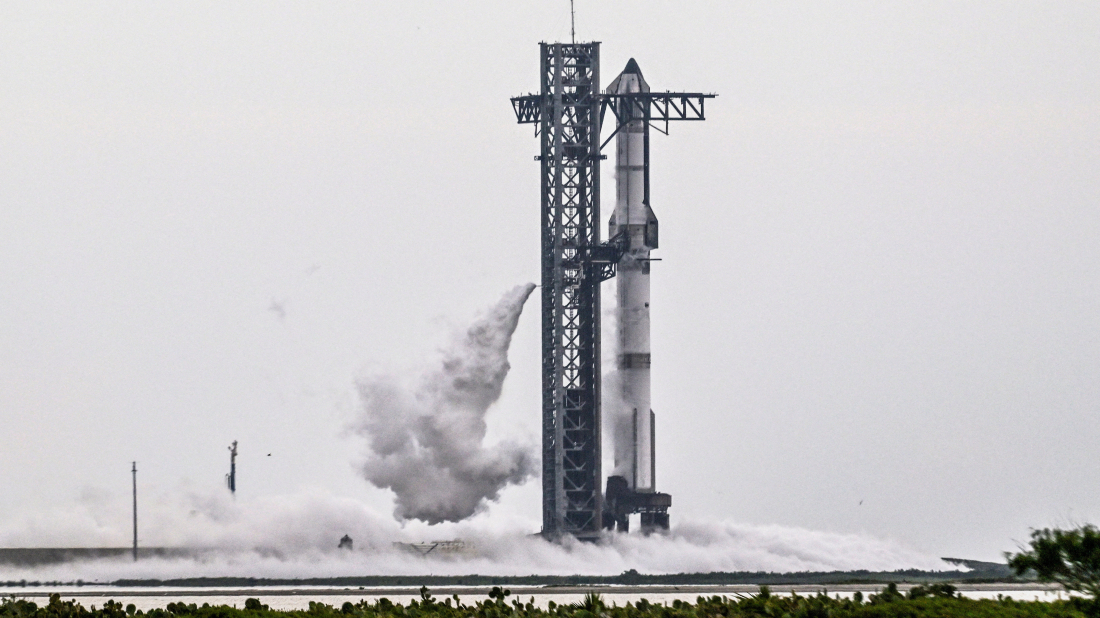
Space X will attempt to launch its super heavy booster rocket, Starship tonight after it was postponed on Monday night due to weather conditions at its starbase in Texas, United States.
The rocket was originally scheduled to launch on Sunday but was shelved due to a liquid oxygen leak at the Starship launchpad.
Owner Elon Musk, took to X to announce this postponement with the new date and time slated for Tuesday evening 7:30pm local time.
Development of SpaceX's next-generation rocket, key to the company's powerful launch business and Musk's goal to send humans to Mars, has faced repeated hiccups this year.
Two Starship testing failures early in flight, another failure in space on its ninth flight, and a massive test stand explosion in June that sent debris flying into nearby Mexican territory.
On its flight, the starship was expected to deploy Space X’s more advanced V3 Starlink satellites, with each launch adding more than “20x the network capacity of current Falcon 99 flights” according to a post on the company’s X account.
The 232-feet (71-metres) tall Super Heavy booster and its 171-feet (52-metres) tall Starship upper half, which together make it taller than New York's Statue of Liberty.
NASA hopes to use the rocket as soon as 2027 for its first crewed moon landing since the Apollo program.
Whenever Starship can launch, the rocket system will lift off from Texas and separate in half dozens of miles in altitude, with its Super Heavy booster returning for a water landing off the Texas coast, while Starship ignites its own engines to blast further into space.
Musk aims to use Starship to launch larger batches of Starlink satellites, which have so far been deployed by SpaceX's workhorse Falcon 9 rocket, into space.
"In about 6 or 7 years, there will be days where Starship launches more than 24 times in 24 hours," Musk said on Sunday, replying to a user on X.

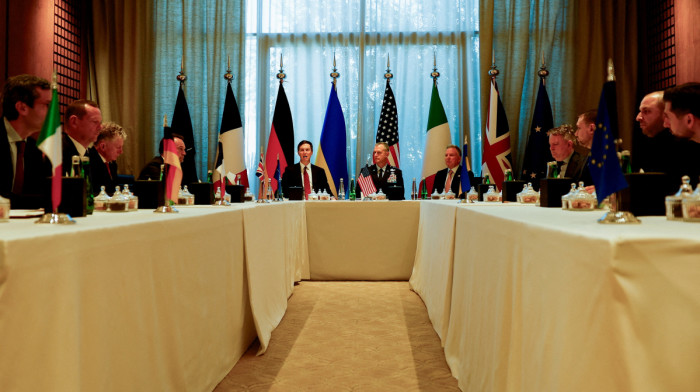
Delegations from Russia, Ukraine and the United States met in Abu Dhabi on Tuesday for their first formal talks in nine months. They did so with no agreement on what a ceasefire would be tied to or who gets to keep the land currently under Russian control.
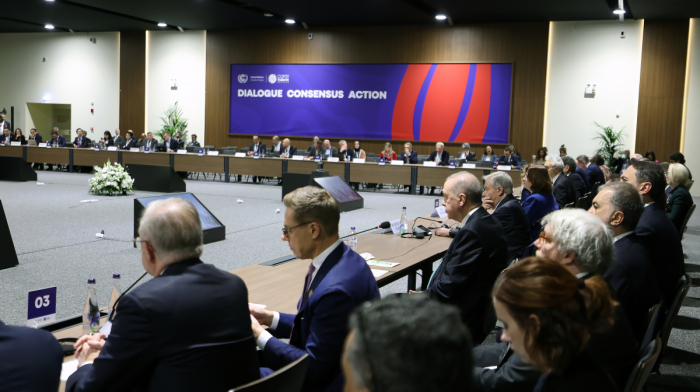
UN Secretary-General António Guterres delivered a stark warning at this year's COP31 summit, saying the climate crisis iss advancing faster than governments' efforts to contain it.
Here's your AnewZ Daily Brief for 11 November. Today, we cover Russia-Ukraine peace talks, political tensions in Washington, strikes in Spain, espionage allegations involving Nvidia's CEO, and climate negotiations at COP31 in Türkiye.
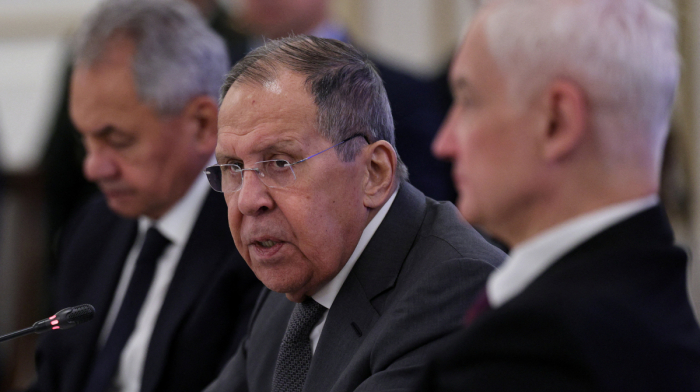
Armenia could lose its voting rights within the Collective Security Treaty Organization (CSTO) on 11 November after failing to pay membership fees for more than two years, Russian Foreign Minister Sergey Lavrov has said.
Four million workers across Spain joined a general strike on Wednesday over the country’s deepening housing crisis, unions said, bringing disruption to factories, ports, shops and public transport just weeks before a snap general election.
NASA is inviting people to send their names to Titan, Saturn’s largest moon, aboard its Dragonfly spacecraft. Set to arrive in late 2034, the mission will explore dunes and an impact crater in search of clues about how the chemical ingredients for life may have formed.
Environmental organisations worldwide are increasingly using artificial intelligence to monitor wildfires, protect endangered species and analyse climate data, even as the technology's rising energy and water consumption raises concerns about its environmental impact.
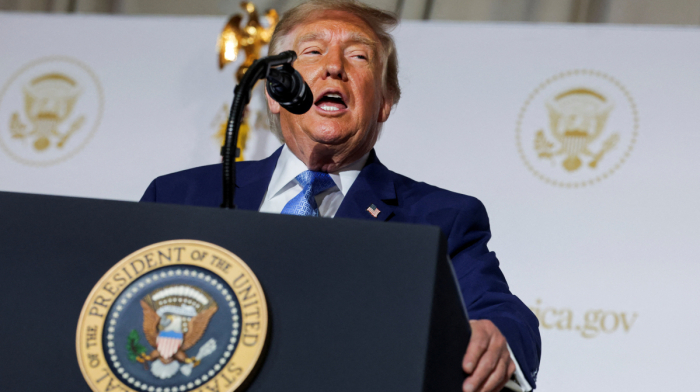
U.S. President Donald Trump said on Friday he would support states seeking to generate wealth through artificial intelligence, pledging to work with them as Democrats outlined plans to address the technology following Tuesday’s elections, which unsettled markets.
Dubai will host GITEX Global 2026 from 7 to 11 December, bringing together global technology leaders, governments and investors as surging demand for artificial intelligence (AI) puts pressure on energy supplies, computing capacity and digital infrastructure.
Saudi Aramco's acquisition of a 49 per cent stake in artificial intelligence (AI) company HUMAIN is putting a spotlight on a wider investment question: why are some of the world's biggest energy companies moving deeper into AI, and what do they expect to gain?
You can download the AnewZ application from Play Store and the App Store.
What is your opinion on this topic?
Leave the first comment