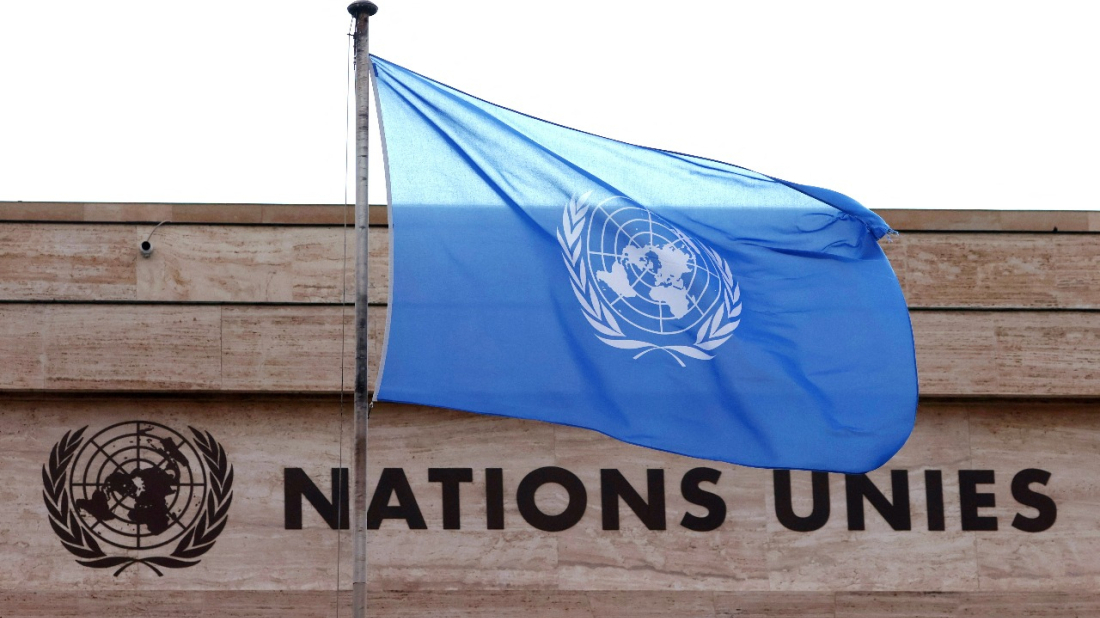
Countries are gathering at the United Nations on Monday to reignite efforts to regulate AI-controlled autonomous weapons, as experts warn that urgent action is needed to prevent misuse of these increasingly prevalent technologies in modern warfare.
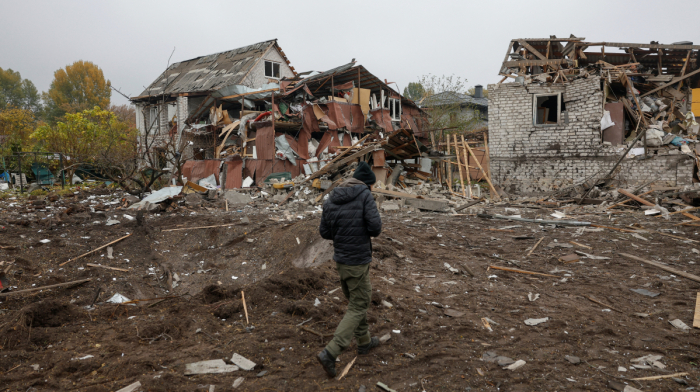
Countries are convening at the United Nations in New York on Monday to renew efforts to regulate the growing use of artificial intelligence (AI) in autonomous weapons systems. These technologies are becoming more prominent in global conflicts, including those in Ukraine and Gaza, sparking concerns about their potential for unregulated use in warfare.
While AI-assisted and autonomous weaponry is gaining traction in military strategies worldwide, progress on setting international standards for their development and deployment has lagged significantly. Despite the rising use of AI in defense, legally binding global rules to govern the technology remain virtually non-existent.
Since 2014, nations involved in the Convention on Conventional Weapons (CCW) have been discussing the possibility of banning fully autonomous systems that operate without meaningful human control. However, negotiations to regulate these technologies have proven slow and difficult. U.N. Secretary-General Antonio Guterres has set a 2026 deadline for countries to adopt clear guidelines on AI weaponry, but human rights groups caution that global consensus is still lacking.
Alexander Kmentt, the head of arms control at Austria's foreign ministry, stressed the urgency of the situation. "Time is really running out to put in some guardrails so that the nightmare scenarios that some of the most noted experts are warning of don't come to pass," he said.
Monday's meeting marks the U.N.'s first dedicated session to the issue of autonomous weapons. Although the discussions will not produce legally binding agreements, diplomatic officials hope the talks will increase pressure on military powers that are hesitant to embrace regulation, fearing it might hinder their technological advantages in battle.
Campaign groups, including Amnesty International, view this meeting as a critical step toward a legally binding treaty. They also hope it will address broader ethical and human rights concerns related to the use of autonomous weapons by non-state actors.
As countries gather at the U.N. to discuss these pressing issues, the outcome will be a key test of whether international cooperation can bridge existing divides on regulating this powerful and rapidly evolving technology.

















What is your opinion on this topic?
Leave the first comment