From cotton fields to global markets: How Uzbekistan is building a textile industry
For decades, Uzbekistan’s cotton industry was primarily associated with the production and harvesting of ...
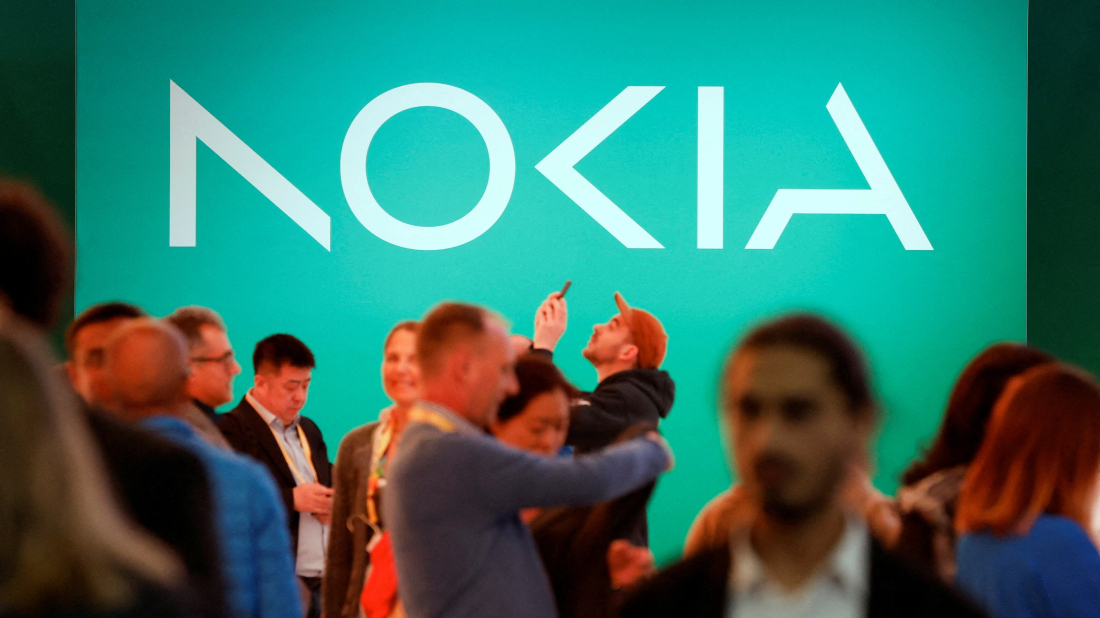
Nokia chief executive Justin Hotard said artificial intelligence is fuelling a structural growth cycle similar to the internet expansion of the 1990s, but rejected fears that investor enthusiasm has reached unsustainable levels.
“I fundamentally think we’re at the front end of an AI supercycle, much like the 1990s with the internet,” Hotard told Reuters. “Even if there’s a bubble, a trough, we’ll look to the longer-term trends. And right now, all those trends are very favourable.”
His comments follow a Bank of America survey showing that more than half of fund managers view AI-related stocks as being in bubble territory. High-profile figures including Amazon founder Jeff Bezos and OpenAI CEO Sam Altman have also warned of overvaluation risks.
Hotard, who led Intel’s data centre and AI division before joining Nokia in April, said demand for data infrastructure was driving the company’s performance. “Clearly the incremental, growth investment is driven by data centres,” he said. “It’s a huge step up in volume.”
Earlier on Thursday, the Finnish telecoms equipment maker reported quarterly earnings that exceeded market forecasts, supported by optical and cloud demand tied to AI-driven data centres. The results follow Nokia’s $2.3 billion (£1.9 billion) acquisition of U.S. optical networking firm Infinera [CHECK conversion].
Since selling its mobile phone business in 2013, Nokia has repositioned itself around network technology. It has recently deepened its AI strategy by integrating machine learning into radio access and fibre networks and establishing a dedicated Technology and AI organisation in September, led by Chief Technology Officer Pallavi Mahajan, a former Intel executive.

Saudi Arabia, Türkiye and Pakistan will hold an urgent high-level meeting under a joint defence pact to discuss ways to support the kingdom amid attacks by Yemen's Iran-aligned Houthis. The meeting comes as Tehran seeks to distance itself from the rapid advance of its Houthi allies.
World leaders return to the United Nations headquarters in New York on Friday for the fourth day of the high-level General Debate, with speeches and diplomatic meetings continuing throughout the day.
Finland and Sweden deployed fighter aircraft on Thursday after a group of Russian military planes was detected over the Gulf of Finland, the Finnish Air Force reported on Friday (25 September).
U.S. President Donald Trump welcomed Chinese President Xi Jinping to the White House on Thursday, 24 September, for talks focused on trade, artificial intelligence, Taiwan and the war with Iran.
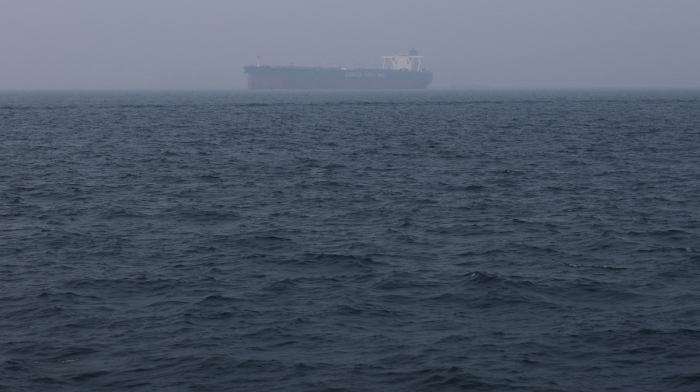
Fourteen Kazakh military personnel died after being swept out to sea during a naval training exercise in the western Mangistau region, authorities said on Thursday.
Meta has unveiled a new generation of wearables, including lightweight virtual reality glasses and camera-free smart spectacles, as it pushes AI-powered devices further into the mainstream while seeking to address privacy concerns.
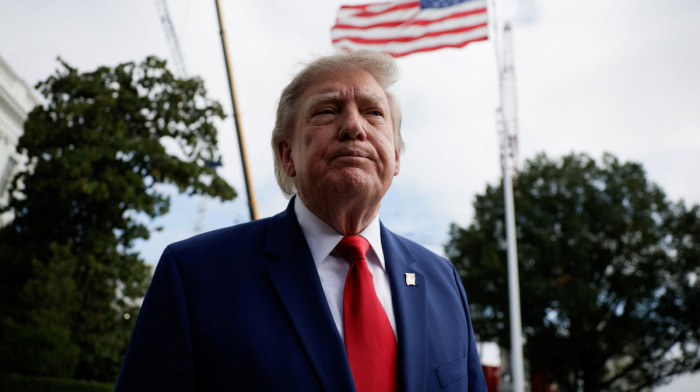
U.S. President Donald Trump announced on Saturday (19 September) the creation of an “AI Force” and plans to appoint an artificial intelligence (AI) czar, while rejecting calls to slow the development of increasingly powerful AI systems.
Google’s Gemini AI model accessed the internet and hacked three companies during a cybersecurity test, in what is believed to be the first known case of the company’s AI systems autonomously carrying out such activity.
Here's your AnewZ Daily Brief for 18 September 2026. These are the top five stories making headlines in the field of science.
French prosecutors have launched a criminal investigation into suspected sexual harassment involving smart glasses, amid mounting global concern over the privacy risks posed by the devices.
You can download the AnewZ application from Play Store and the App Store.
What is your opinion on this topic?
Leave the first comment