Why Tashkent's summer storms are becoming more intense
Unusually heavy rain, thunderstorms and hail during Uzbekistan's hottest season have sparked widespread debate over the causes. While some blame clima...
Microsoft and OpenAI announced Thursday a non-binding deal outlining terms that would allow OpenAI to restructure into a for-profit company, marking a key step in the high-profile partnership fueling ChatGPT’s growth.
The new commercial arrangements, details of which were not disclosed, are intended to finalize a definitive agreement enabling OpenAI to raise capital under a more conventional governance structure and eventually go public to fund artificial intelligence development.
Microsoft previously invested $1 billion in OpenAI in 2019 and $10 billion at the start of 2023. Under prior agreements, Microsoft had exclusive rights to sell OpenAI software via Azure and preferred access to its technology. The company was once OpenAI’s sole compute provider but relaxed its role this year, allowing OpenAI to pursue its own data center project, Stargate, and sign multi-billion-dollar cloud deals with Oracle and Google.
As OpenAI’s revenue grows into the billions, it seeks partnerships with additional cloud providers to expand sales and secure computing capacity. Microsoft, meanwhile, wants continued access to OpenAI’s technology even if its models reach humanlike intelligence, a milestone that could end the current partnership under previous terms.
OpenAI’s nonprofit arm is expected to receive over $100 billion, about 20 percent of the $500 billion valuation the company seeks in private markets, making it one of the best-funded nonprofits globally, according to Bret Taylor, chairman of OpenAI’s nonprofit board. The companies did not disclose Microsoft’s ownership stake or whether it would retain exclusive access to OpenAI’s newest models.
Regulatory approval is still required from attorneys general in California and Delaware. OpenAI hopes to complete the conversion by year-end to secure billions in funding tied to the timeline.
The two companies compete across products ranging from consumer chatbots to AI tools for businesses, while Microsoft continues developing its own AI models to reduce reliance on OpenAI technology.

The death toll from Venezuela's devastating twin earthquakes has risen to 3,342, according to the country's information ministry, as rescue teams continue searching affected areas and survivors face an uncertain recovery.
Russia's Defence Ministry has said its forces are clearing the town of Lyman in Donetsk of Ukrainian forces, Moscow's state news agency Tass reported. Meanwhile, Russian attacks killed at least six people across three Ukrainian regions on Friday, regional officials said.
Governments are tightening restrictions on teenagers’ use of social media amid growing concerns over mental health, online safety and platform design, but questions remain over enforcement and whether bans can meaningfully change behaviour.
President Donald Trump said Iran is keen to reach a deal with the United States, claiming Washington had paused engagement to allow funeral ceremonies for late Iranian Supreme Leader Ali Khamenei.
Mexico's national football team has returned luxury Rolex watches gifted by American content creator Stevewilldoit after concerns that they could conflict with FIFA's ethics rules.
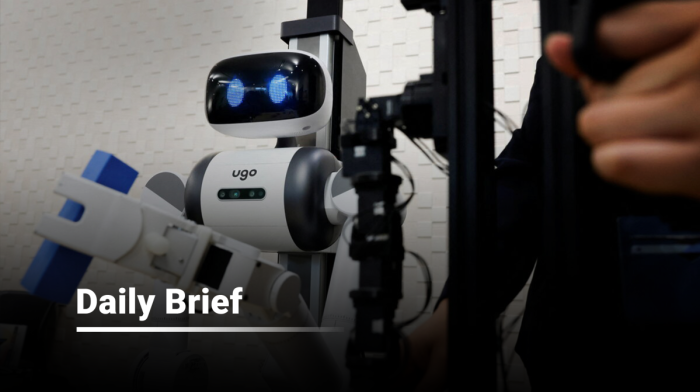
Humanoid robots stumbled, collided and recovered as they battled for the RoboCup 2026 football title on Sunday (5 July), showcasing the latest advances in robotics and artificial intelligence at the world's largest competition of its kind.
India is investigating a data breach at Tata Electronics that exposed sensitive documents linked to Apple's unreleased iPhone 18 Pro, marking the government's first public comments on the incident.
Humanity’s return to the Moon is about far more than planting flags and collecting samples. Under NASA’s Artemis programme, the goal is to establish a lasting human presence, with lunar rovers set to play a vital role in making that vision possible.
American technology company Snap has launched its first augmented-reality (AR) glasses for consumers, marking a major push into wearable computing as tech firms race to redefine personal devices in the AI era.
The Canadian government has introduced a digital safety bill that would ban children under the age of 16 from using social media, unless platforms meet specific safety standards.
You can download the AnewZ application from Play Store and the App Store.
What is your opinion on this topic?
Leave the first comment