The European Union plans closer cooperation with Pacific Rim nations under the CPTPP to advance global trade rules, but insists it is not seeking to replace the World Trade Organization.
The European Union is exploring a plan to work closely with the Comprehensive and Progressive Agreement for Trans-Pacific Partnership (CPTPP) countries to strengthen global trade governance, EU officials confirmed on Friday.
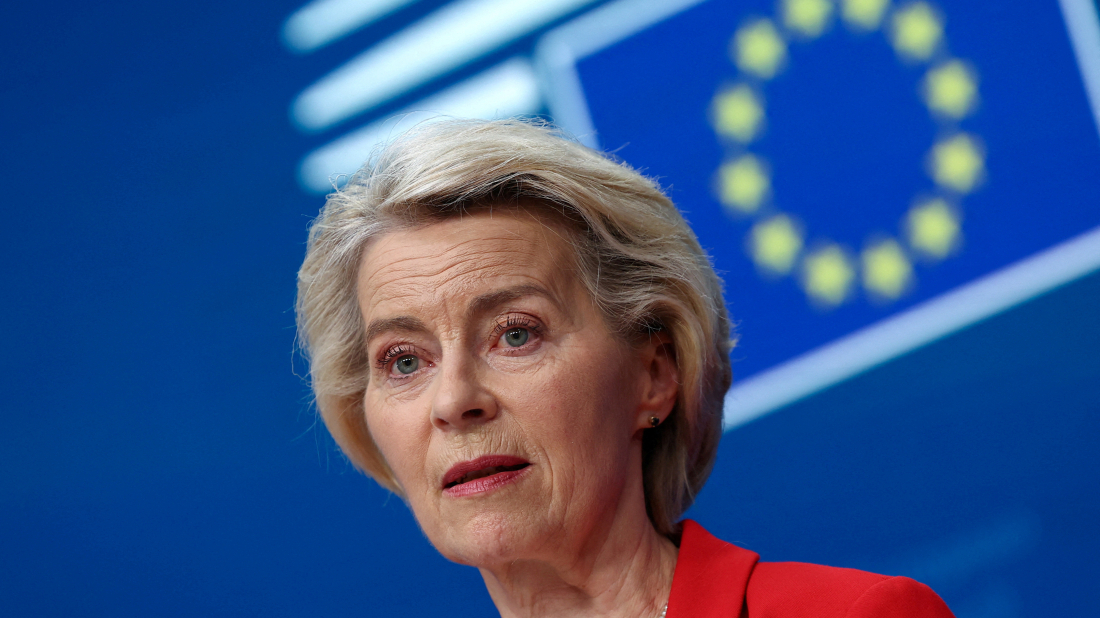
European Commission President Ursula von der Leyen suggested the initiative could mark the "beginning of redesigning the WTO" during comments to reporters on Thursday. The World Trade Organization has been struggling for relevance amid rising geopolitical tensions and unilateral tariffs imposed by the United States, undermining its commitments and credibility.
However, despite some calls for a more radical shift, including from German Chancellor Friedrich Merz who said the new grouping could eventually replace the WTO, EU officials clarified that the proposal does not aim to set up a rival organisation.
Instead, the European Commission said that cooperation with the CPTPP was intended to promote a modern and rules-based trading system at a time when the WTO urgently requires reform.
"We are working closely with like-minded partners, including CPTPP countries, to advance meaningful, rules-based reform that upholds fair and open global trade," the Commission said in a statement.
One focus could be developing a dispute settlement system to address the paralysis of the WTO’s Appellate Body, after the United States blocked new appointments, leaving the body unable to function.
Officials said the cooperation would also send a political signal that a significant number of countries remain committed to open, rules-based trade at a time when protectionist measures are increasing globally.
The CPTPP is a free trade agreement between Australia, Brunei, Canada, Chile, Japan, Malaysia, Mexico, New Zealand, Peru, Singapore, Vietnam and, since late last year, Britain.
"We are strong supporters of the WTO, which plays a vital role," a spokesperson for Britain’s trade ministry said. The ministry highlighted a new trade strategy launched on Thursday, noting that CPTPP could be used "to encourage deeper trading relationships between countries and groupings committed to liberal rules-based trade."
"We are working with other CPTPP members to help set up discussions with other major trading blocs, including the EU, on ways to further promote free and fair global trade," the spokesperson added.
While formal plans are still in early stages, EU officials emphasise that structured cooperation with the Pacific Rim partners could revitalise global trade governance without undermining the WTO’s central role in setting and enforcing global trade rules.
















What is your opinion on this topic?
Leave the first comment