



18:04 CET
Politics
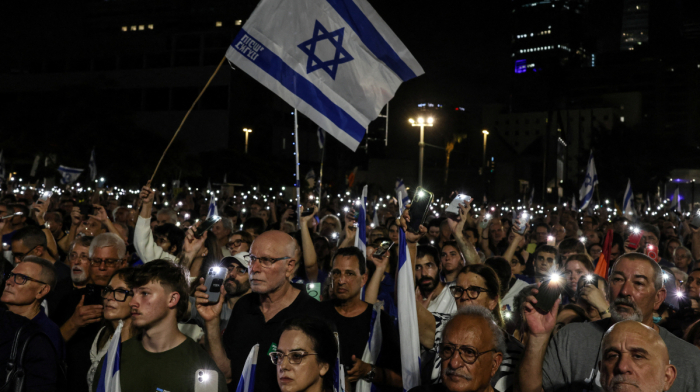
Thousands of Israelis rally in Tel Aviv ahead of the elections
Thousands of Israelis rallied in T...
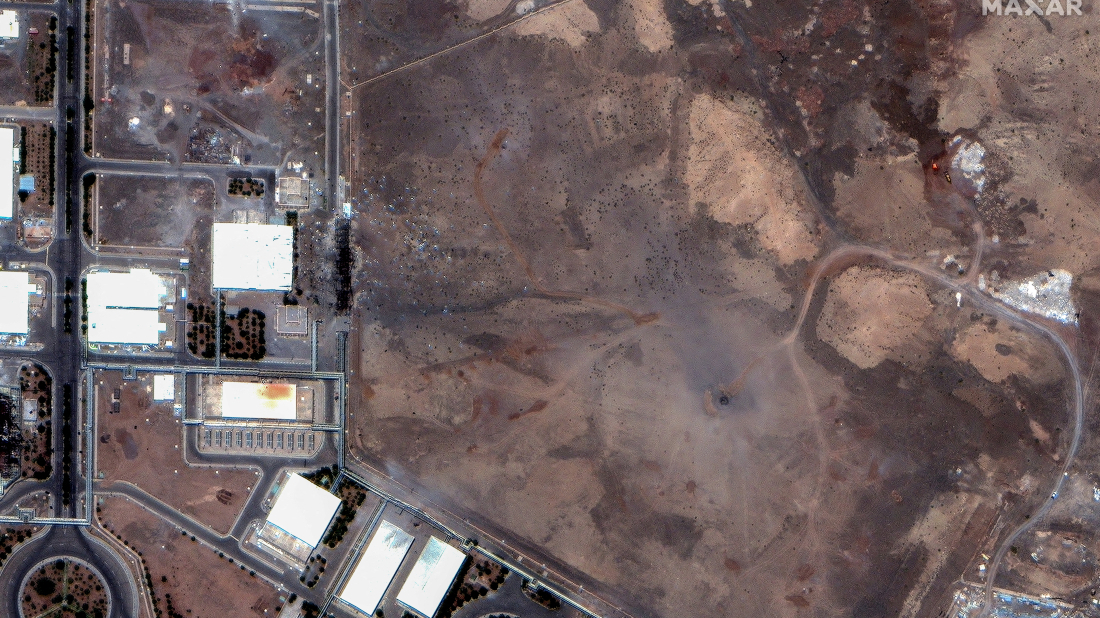


U.S. President Donald Trump has likened American strikes on Iranian nuclear sites to the end of World War II, claiming the operation ended the Iran-Israel conflict despite intelligence assessments suggesting limited impact.
Speaking at a NATO summit in The Hague on Wednesday, President Donald Trump defended the scale and effectiveness of recent U.S. strikes on Iran’s nuclear infrastructure, calling the damage “very severe” and comparing it to the atomic bombings of Hiroshima and Nagasaki.
"The intelligence was ... very inconclusive," Trump said during a joint appearance with NATO Secretary General Mark Rutte. “It was very severe. It was obliteration.”
His remarks follow reports by Reuters and other media outlets that the Defense Intelligence Agency (DIA) believes the strikes may have set Iran’s nuclear programme back by only a few months.
Trump dismissed the report as preliminary and accused the media of undermining the military operation. “It was an attack against our pilots,” he said, referring to news coverage of the DIA’s assessment.
Trump claimed the operation brought an end to the hostilities between Iran and Israel, stating: “When you look at Hiroshima, if you look at Nagasaki, that ended a war, too. This ended a war in a different way.”
The president was joined at the summit by Secretary of State Marco Rubio and Secretary of Defense Pete Hegseth. Both echoed Trump’s scepticism of the intelligence community’s evaluation, with Hegseth calling the leaked DIA report “low-confidence” and “politically motivated”.
He also revealed that the FBI is investigating the source of the leak. Rubio, meanwhile, accused those who shared the report of mischaracterising its findings, saying: “This is the game they play.”
The Trump administration has long maintained that Iran must be prevented from acquiring nuclear weapons. The strikes, though controversial, are being promoted by The White House as evidence of its firm stance.
Trump’s defence of the operation comes amid political pressure from some within his own base who argue that the strikes contradict his “America First” approach.
Still, the administration touted a diplomatic breakthrough at the summit, with NATO members agreeing to increase their defence spending to 5% of GDP — a goal the U.S. had pushed for.
In a final statement, Trump cited an Israeli Atomic Energy Commission report claiming Iran’s nuclear ambitions had been pushed back “many years”. He also confirmed that U.S. and Iranian officials are expected to meet next week, though he added that Tehran is unlikely to resume its nuclear programme after the strikes.

Thousands of Israelis rallied in T...
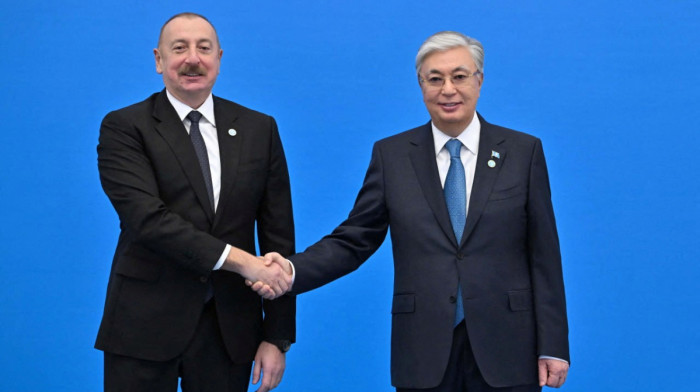
Kazakhstan marks Republic Day on 25 October with an ambitious economic agenda and a growing partnership with Azerbaijan, as the two Caspian neighbo...
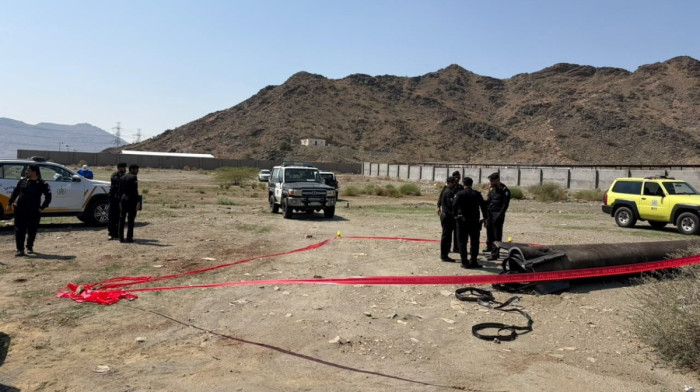
Saudi Arabia religious leaders have condemned attacks targeting holy sites and civilians after authorities reported intercepting two ballistic miss...
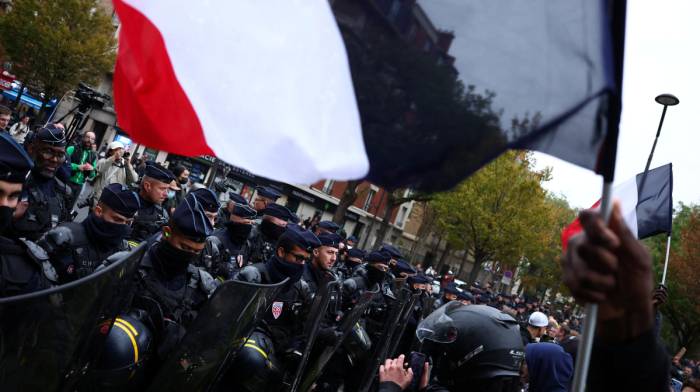
Around 11,000 people joined a demonstration in Orléans on Saturday against the National Rally congress, according to the local prefecture.
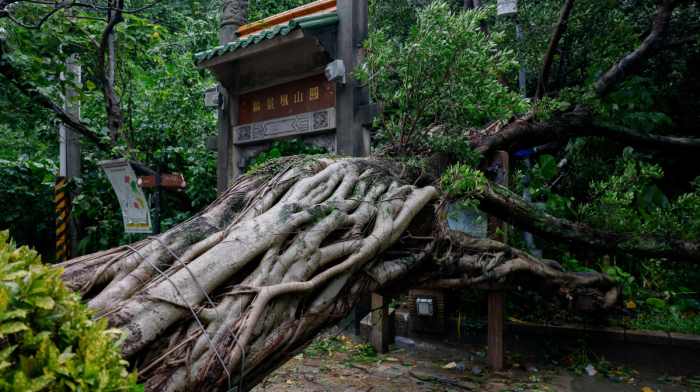
Typhoon Champi swept past Taiwan on Saturday, leaving one person dead and more than 500 injured as strong winds and torrential rain brought down trees, cut power and disrupted transport across the island.
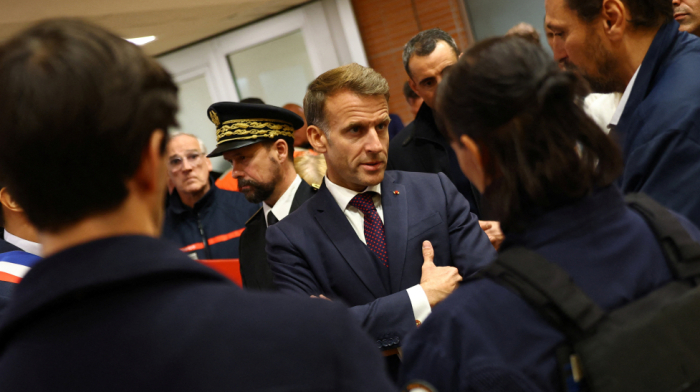
French President Emmanuel Macron on Friday described a deadly shooting in the towns of Trappes and La Verrière, west of Paris, as a racist attack and ‘a turning point’ for the country.
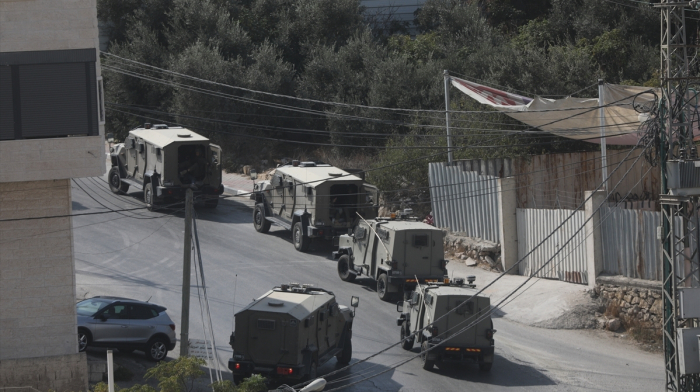
Israeli forces have maintained a tight closure on Hebron in the occupied West Bank for a second day, with Palestinian media reporting home raids, mass detentions and dozens of residents forced outside following a shooting incident the day before.
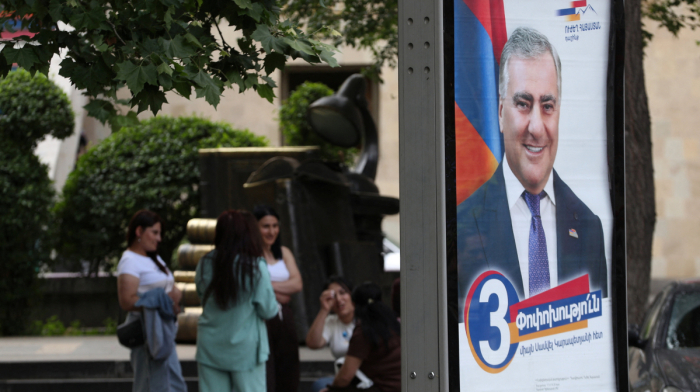
Armenian authorities have detained 10 more people in a vote-buying investigation involving the opposition Strong Armenia party, just two days before local elections in the northern town of Stepanavan.
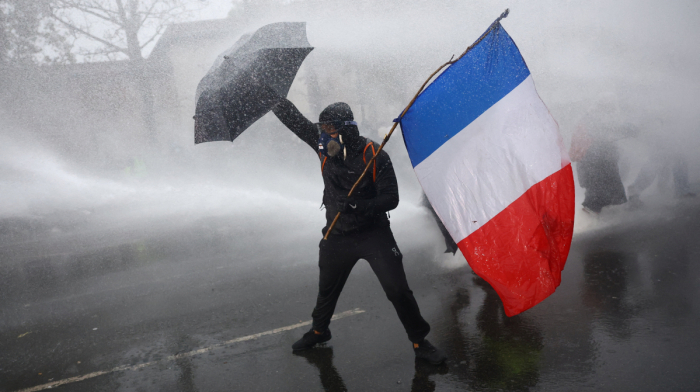
Riot police fired tear gas at protesters in France’s largest cities and more than 1,300 people were arrested during demonstrations against the rising cost of living on Saturday (24 October). Police also used a water cannon on a group of around 500 hooded youths in Paris, after the main rally ended.
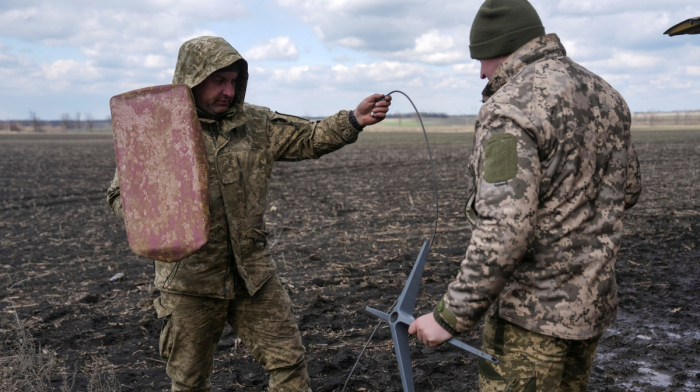
Ukraine's military has been hit this month by restrictions on Starshield, the military version of SpaceX's Starlink satellite communications system. Its receivers stopped functioning when mounted on fast-moving objects such as drones, jeopardising some combat and air defence missions.
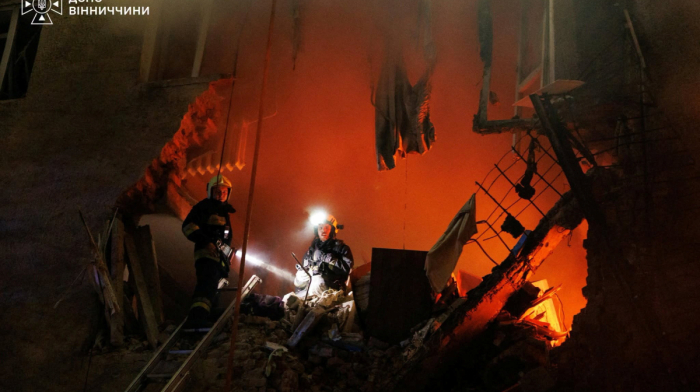
At least five people were killed and several others injured in overnight attacks across Russia and Ukraine on Sunday, 25 October, as officials reported strikes on residential areas and industrial facilities, while Moscow claimed to have targeted logistics infrastructure and a cargo vessel.
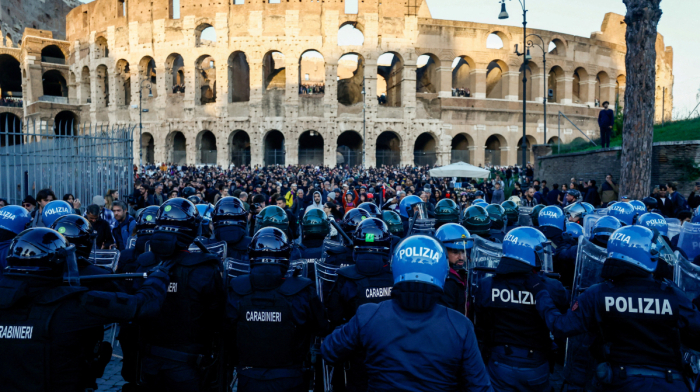
Protests against war and rising living costs took place in major Italian cities on Saturday, with some incidents of violence and clashes, a week after unrest erupted across the country.
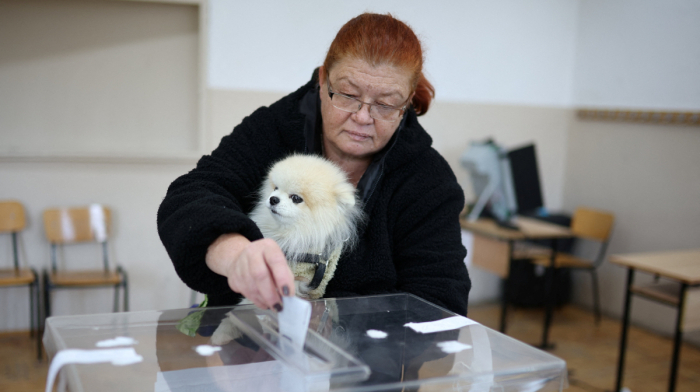
Bulgarians are voting in a presidential election on Sunday as deadly drone attacks on merchant vessels in the Black Sea raise security concerns and expose divisions over the country's response to Russia's war in Ukraine.
You can download the AnewZ application from Play Store and the App Store.




What is your opinion on this topic?
Leave the first comment