Start your day informed with AnewZ Morning Brief: here are the top news stories for 23 June, covering the latest developments you need to know.
1. Trump claims massive damage in U.S. strikes on Iranian nuclear sites
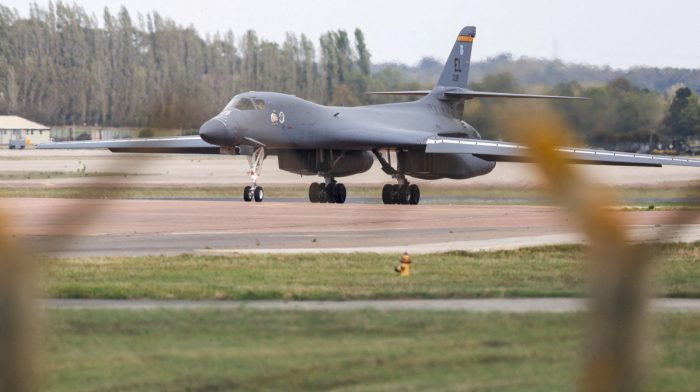
U.S. President Donald Trump claimed "monumental damage" to Iran's nuclear facilities hit by U.S. bombers on Saturday. The U.S. launched 75 precision-guided munitions, including bunker-buster bombs and Tomahawk missiles, on three sites, according to General Dan Caine. The International Atomic Energy Agency (IAEA) reported no rise in off-site radiation but said it is too soon to assess underground damage.
2. Iran warns U.S. bases in region after nuclear site attacks
A senior aide to Iran’s Supreme Leader Ayatollah Ali Khamenei, warned that any regional country hosting U.S. forces could be targeted by Iran, following U.S. strikes on Iranian nuclear facilities. Ali Akbar Velayati called the attacks a violation of international law and suggested Iran may consider closing the Strait of Hormuz. He also said Iran would determine the outcome of the conflict, not the U.S.
3. OIC issues Istanbul Declaration condemning Israel’s attacks
The Organization of Islamic Cooperation issued the Istanbul Declaration condemning Israel’s recent attacks on Iran, Syria, and Lebanon, calling them violations of international law. The Organisation of Islamic Cooperation (OIC) urged the global community to take deterrent measures and announced a new ministerial contact group to engage key international players, support de-escalation, and seek a peaceful resolution to the growing regional crisis.
4. Suicide bomber kills 20 in Syria’s Damascus Church attack
At least 20 were killed and more than 50 were injured after a suicide bomber attacked Mar Elias Greek Orthodox Church in central Damascus, Syria. Officials identified the attacker as an ISIL member, marking the first such bombing since Assad’s ouster. The attack raises fresh concerns over Syria’s security and the resurgence of extremist violence.
5. Russian strikes on Kyiv region kill five and spark fires, Ukraine says
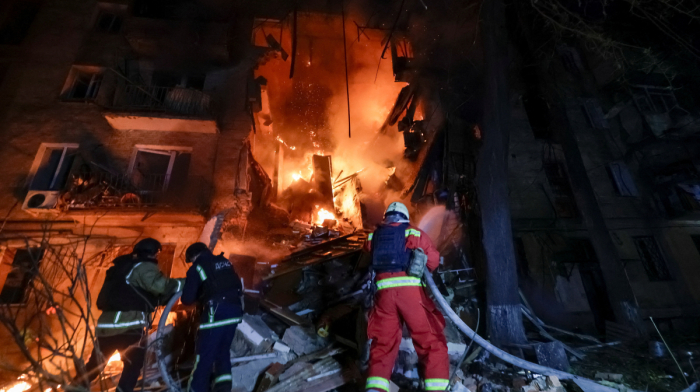
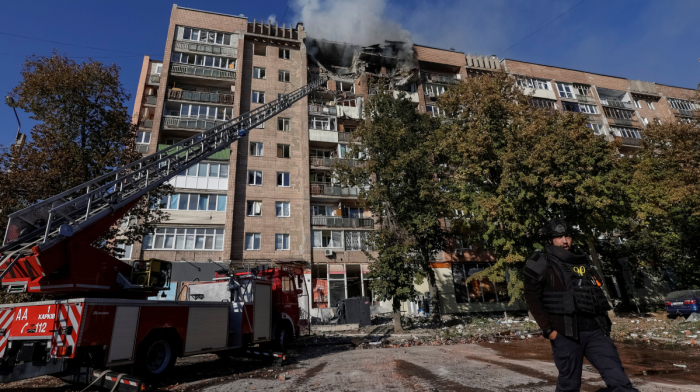
Overnight Russian attacks killed five people and injured dozens in Kyiv and surrounding areas, Ukrainian officials reported. The strikes damaged residential buildings, sparked fires, and hit an entrance to a metro station serving as a bomb shelter. Six districts were damaged, with rescue efforts ongoing. Last week’s drone assault killed 28 people and wounded more than 150 in Kyiv.
6. African leaders gather in Luanda for 2025 U.S.-Africa Business Summit
African heads of state and government have arrived in Luanda for the 17th U.S.-Africa Business Summit, running from Sunday to Thursday with 2,700 delegates. The event aims to boost economic ties and explore trade and investment opportunities in sectors like energy, infrastructure, finance, and agriculture. Co-organized by the Corporate Council on Africa and Angola’s government, the summit focuses on strengthening U.S.-Africa commercial relations and sustainable development.














What is your opinion on this topic?
Leave the first comment