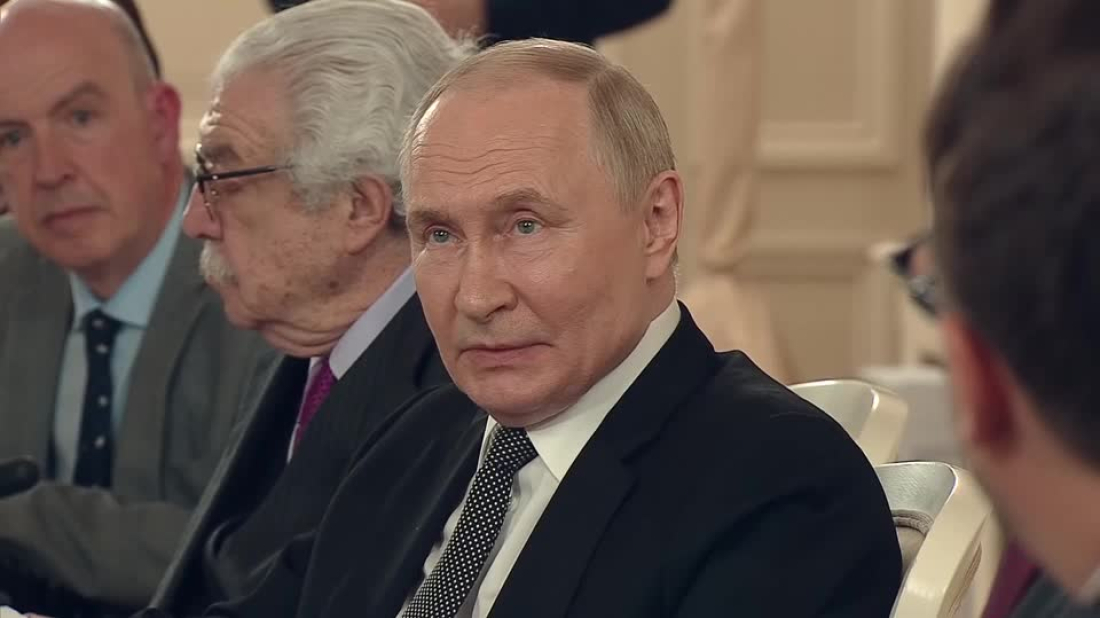
Russian President Vladimir Putin on Wednesday (18 June) refrained from commenting on the possibility of Israeli and U.S. forces targeting Iranian Supreme Leader Ayatollah Ali Khamenei, instead calling for restraint and dialogue as tensions continue to rise in the region.
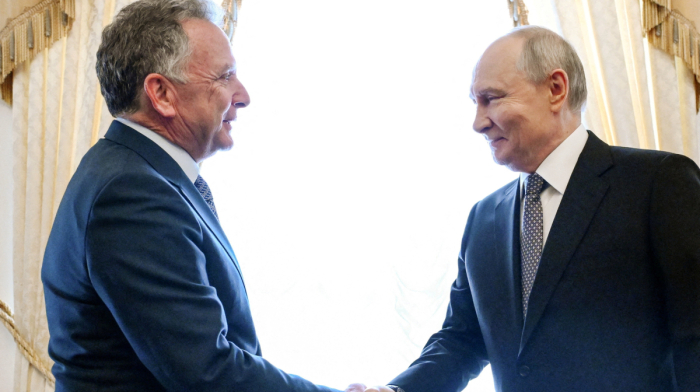
During a meeting with senior editors from global news agencies in St Petersburg at the International Economic Forum (SPIEF), Putin was asked about recent statements by Israeli Prime Minister Benjamin Netanyahu and U.S. President Donald Trump, which included remarks about potential military actions involving Iranian leadership.
“I do not even want to discuss this possibility. I do not want to,” Putin said. When pressed further, he added that while he had heard the comments, he preferred not to speculate on such scenarios.
Focus on Internal Developments and Diplomatic Outreach
Putin noted that despite the complexity of political dynamics within Iran, there appeared to be societal cohesion around the country's leadership. He also confirmed that Russia had been in communication with both Washington DC and Tel Aviv, sharing Moscow’s views on possible paths toward de-escalation.
“It seems to me that it would be right for everyone to look for ways to end hostilities,” Putin said, suggesting that a comprehensive agreement is achievable that safeguards Iran’s access to peaceful nuclear energy while addressing Israel’s security interests.
Russia’s Position on Military Cooperation
Asked whether Russia might provide military support to Iran, Putin clarified that the strategic partnership agreement signed between Moscow and Tehran in January does not include military cooperation, and that no formal request for such support had been received from the Iranian side.
He added that Israeli authorities had assured Moscow that Russian specialists working on the construction of additional reactors at the Bushehr nuclear facility would not be harmed in ongoing airstrikes.
Nuclear Facilities and Regional Stability
Putin confirmed that, according to Russian assessments, Iran’s underground uranium enrichment facilities remained intact. He reiterated that Russia supports the peaceful use of nuclear energy in Iran and has offered to assist by managing enriched uranium and supplying nuclear fuel for civilian purposes.
“It is possible to ensure Iran's interests in the field of peaceful nuclear energy, and at the same time, to address Israel's concerns about its security,” Putin said. He noted that Russia had presented these proposals to all relevant stakeholders, including the U.S., Iran, and Israel.
Calls to Avoid Further Escalation
Russia’s Deputy Foreign Minister Sergei Ryabkov stated earlier in the week that Moscow was advising against military strikes on Iran, warning that such actions could lead to broader instability in the Middle East. The Russian Foreign Ministry also expressed concern that attacks on Iranian nuclear facilities could pose serious risks, including potential environmental and humanitarian consequences.
Putin’s remarks come as international attention remains focused on the evolving situation, with ongoing military activity in the region and high-level diplomatic engagements continuing.












What is your opinion on this topic?
Leave the first comment