live Russia signals openness to new Ukraine peace ideas
Russia is open to listening to new proposals on how to reach a settlement on the Ukraine conflict, a senior Russia...
As G7 leaders prepare to meet, most member states are ready to cut the Russian oil price cap to $45 even without U.S. backing.
Several G7 nations, including the EU, UK, and Canada, are prepared to unilaterally lower the $60-a-barrel price cap on Russian oil, regardless of whether U.S. President Donald Trump supports the move. Sources say these countries aim to reduce the cap to $45, arguing that the current level is outdated due to falling global oil prices and ineffective in curbing Moscow’s war funding.
The decision is expected to be a key point of debate at the upcoming June 15–17 G7 summit in Canada. While the U.S. remains undecided, some American lawmakers like Senator Lindsey Graham support a tougher stance. With Britain’s grip on global shipping insurance and EU influence over compliant tanker fleets, European leaders believe they can act without full U.S. alignment. However, Washington's role remains critical in managing dollar-based oil transactions. Russia’s shrinking oil revenues and profit decline at state-run Rosneft signal that the pressure from existing sanctions is mounting.

The collective-defence agreement between Türkiye, Saudi Arabia and Pakistan signals that regional powers no longer want to rely solely on external security guarantees. Whether it becomes a stabilising deterrent or another axis of rivalry remains unresolved.
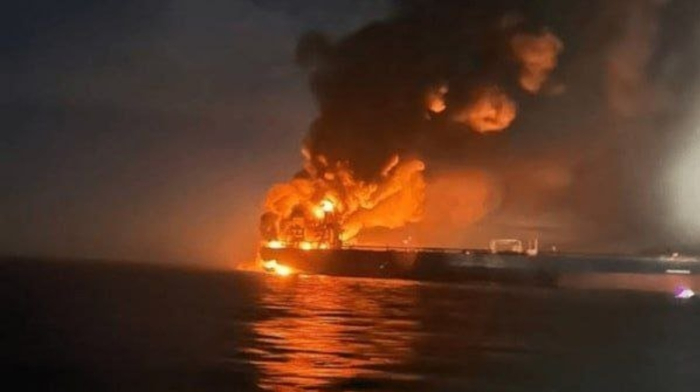
Shipping traffic through the Strait of Hormuz remains limited on Thursday, with no increase in vessel crossings as U.S.-Iran talks to resolve the conflict remained stalled. Nine commodity vessels transited the key waterway on Wednesday, unchanged from the previous day, according to Kpler data.
Shipping through the Strait of Hormuz has slowed, according to the latest data, as uncertainty over the waterway’s reopening kept most shipowners away. Six commodity vessels crossed the strait on Tuesday, down from nine the day before and below the 10-day daily average of 11.
Start your day informed with AnewZ Morning Brief. Here are the top news stories for the 20th of August, covering the latest developments.
Russian ballistic missile strikes on Ukraine’s capital Kyiv has killed at least sixteen people and injured more than forty others, Ukrainian officials said, with fires reported across the city and Poland activating defensive air operations.
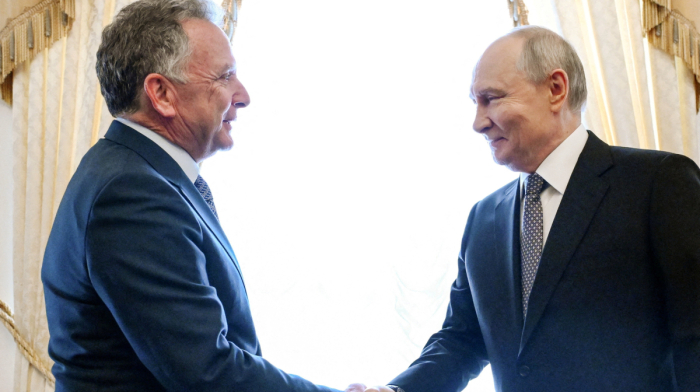
Russia is open to listening to new proposals on how to reach a settlement on the Ukraine conflict, a senior Russian diplomat said, but any proposals should reflect the "realities on the ground".
Start your day informed with AnewZ Morning Brief. Here are the top news stories for the 21st of August, covering the latest developments.
South African human rights and environmental groups have urged the government to block Israeli-linked Navitas Petroleum from acquiring a stake in a major offshore oil block, citing concerns over the war in Gaza and environmental risks.
Israel and Colombia will waive advance visa requirements for travellers from 1 September as the two countries move to restore diplomatic and economic relations following years of tensions over the war in Gaza.
Shipping traffic through the Strait of Hormuz remains limited on Thursday, with no increase in vessel crossings as U.S.-Iran talks to resolve the conflict remained stalled. Nine commodity vessels transited the key waterway on Wednesday, unchanged from the previous day, according to Kpler data.
You can download the AnewZ application from Play Store and the App Store.
What is your opinion on this topic?
Leave the first comment