Israeli security warning puts spotlight on Azerbaijan’s key energy infrastructure
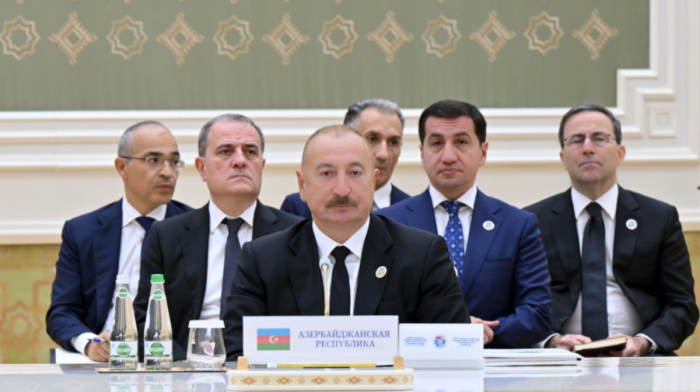
A rare Israeli security statement warning of an alleged Iranian-linked plot targeting global sites, including a key Azerbaijani pipeline, has drawn...
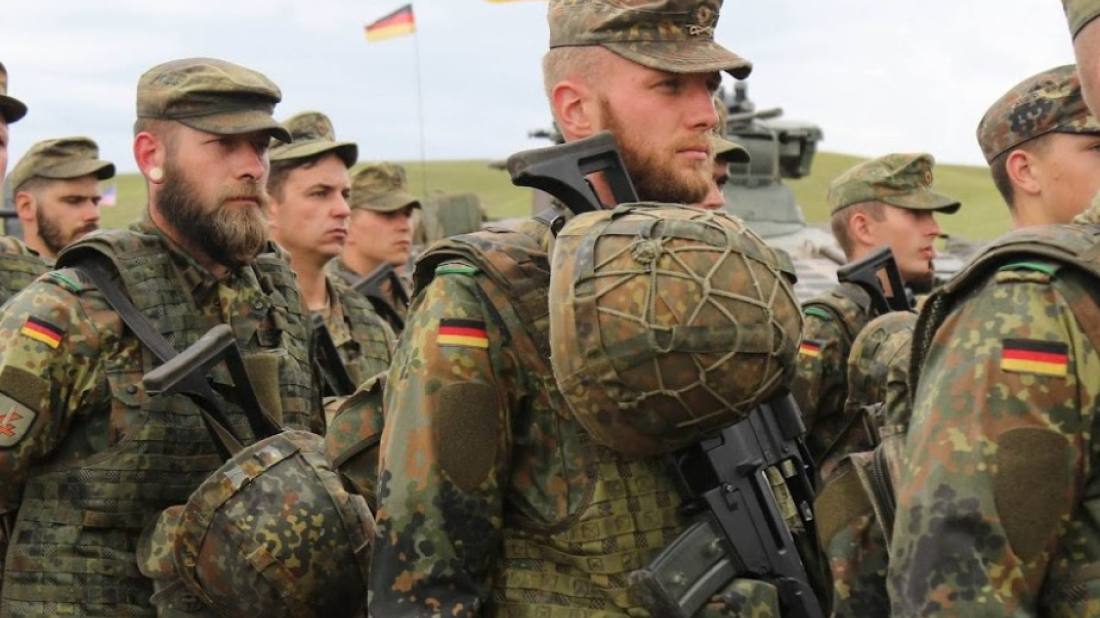
Germany will increase its military personnel by up to 60,000 troops as part of efforts to meet new NATO force and readiness targets, Defence Minister Boris Pistorius announced Friday, citing the country’s responsibility as Europe's largest economy.
Speaking ahead of a NATO defence ministers’ meeting in Brussels, Pistorius said the Bundeswehr will require between 50,000 and 60,000 additional active soldiers, bringing Germany’s total armed forces to approximately 250,000 to 260,000 troops.
"We are stepping up to our responsibility as Europe's largest economy," Pistorius told reporters, underscoring Germany’s commitment to bolstering collective defence capabilities.
The decision follows NATO’s internal assessment of capability gaps in the alliance's deterrence and defence posture, which identified major shortfalls across a range of areas — from combat-ready ground formations and long-range strike capabilities to ammunition reserves and secure communications infrastructure.
Due to the classified nature of the targets, NATO Secretary General Mark Rutte provided only general details. "We have to invest in our air defence systems, long-range missiles, manoeuvrable land-formations, and command and control systems — all of this has to happen," Rutte said, adding that significant financial investment would be required.
The move marks a significant step in Germany's ongoing efforts to rebuild military capacity following decades of underinvestment. It also aligns with NATO’s broader strategy to enhance readiness in response to evolving security challenges across Europe and beyond.

Iran accuses the United States of breaching a ceasefire after a commercial ship was seized in the Gulf of Oman, vowing retaliation, as Israel warns south Lebanon residents to avoid restricted areas.
Progessive Bulgaria, led by pro-Russian Eurosceptic Rumen Radev is on track to form Bulgaria’s next government, after official results showed a runaway victory for the coalition in the Balkan nation's parliamentary elections on Monday (20 April).
Pakistan is confident it can bring Iran to talks with the United States, a senior official said, citing “positive signals” from Tehran, as JD Vance is reportedly set to visit Islamabad on Tuesday for peace talks, according to Axios.
A powerful 7.5 magnitude earthquake has struck off Japan’s north-eastern coast, triggering urgent tsunami warnings with waves of up to 3 metres expected, prompting residents to seek immediate safety.
Blue Origin, the U.S. space company of billionaire Amazon founder Jeff Bezos, successfully reused and recovered a booster for its New Glenn rocket launched from Florida on Sunday (19 April), in the latest chapter of its intensifying rivalry with Elon Musk’s SpaceX.
Britain’s government outlined plans on Tuesday (21 April) to reduce household energy bills by encouraging wind and solar producers to adopt long-term fixed contracts.
The escalating conflict involving Iran, the U.S. and Israel is fuelling what could become the most severe energy crisis the world has ever faced, according to the head of the International Energy Agency (IEA).
A Canadian woman has been shot dead and 13 others injured in a shooting at the Teotihuacan pyramids on Monday, one of Mexico’s most visited tourist attractions.
Start your day informed with AnewZ Morning Brief. Here are the top news stories for the 21st of April, covering the latest developments you need to know
Japan on Tuesday unveiled its biggest overhaul of defence export rules in decades, scrapping restrictions on overseas arms sales and opening the way for exports of warships, missiles and other weapons.
You can download the AnewZ application from Play Store and the App Store.
What is your opinion on this topic?
Leave the first comment