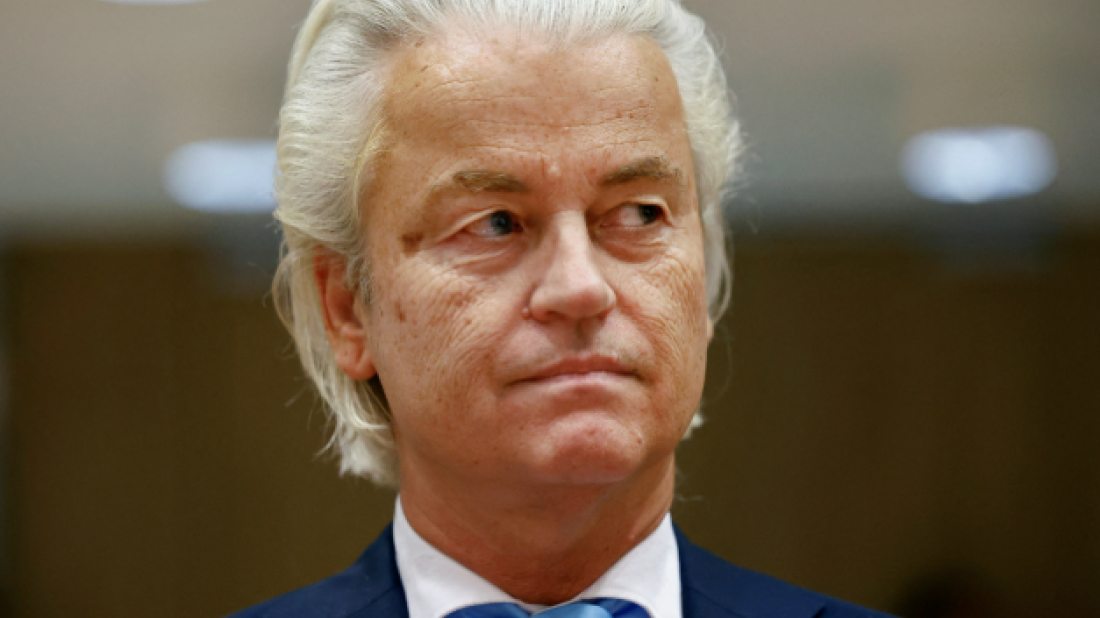
Dutch far-right leader Geert Wilders announced the collapse of the ruling coalition on Tuesday after his PVV party quit the government, citing disagreements over asylum policy—paving the way for fresh elections and heightening political uncertainty in the Netherlands.
Dutch far-right leader Geert Wilders abruptly withdrew his Party for Freedom (PVV) from the governing coalition on Tuesday, effectively toppling the right-wing government less than a year after it was formed.
Wilders, who led his party to victory in last year’s elections, said the decision followed coalition resistance to his demands for a strict clampdown on asylum migration.
“No signature under our asylum plans. The PVV leaves the coalition,” Wilders wrote in a post on X, referring to his proposals that coalition partners reportedly refused to endorse.
The move marks the end of an already fragile four-party coalition that had struggled to maintain unity since taking office in July. Analysts say the government’s collapse will likely trigger new elections within months, plunging the eurozone’s fifth-largest economy into fresh political uncertainty.
The political turmoil comes at a crucial time, just weeks before the Netherlands is set to host a NATO summit in The Hague, where member countries are expected to agree on increased defense spending targets. With the government now in caretaker status, key decisions on military investments may be delayed.
The collapse also raises questions about the Netherlands’ ability to push through necessary economic and migration reforms in the short term. Wilders’ departure from the coalition follows a sharp decline in support since his party entered government, with recent polls showing the PVV now neck-and-neck with the Labour-Green alliance, the current second-largest bloc in parliament.
Wilders, a longtime critic of Islam and immigration, had promised to take a hardline stance on asylum seekers as part of his governing agenda. His inability to get backing for these policies ultimately led to the coalition’s breakdown.
As the country heads toward new elections, Dutch voters once again face a divided political landscape and the prospect of protracted coalition talks.











What is your opinion on this topic?
Leave the first comment