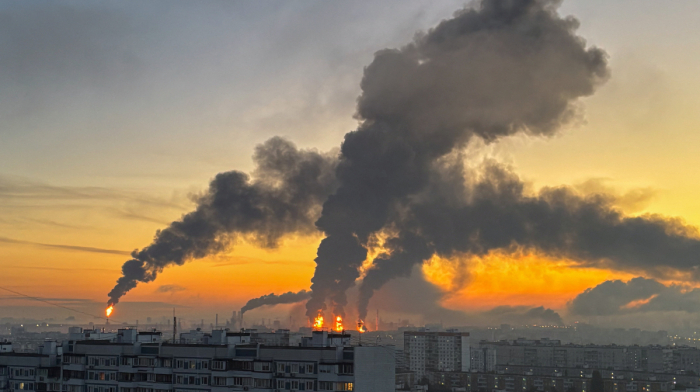
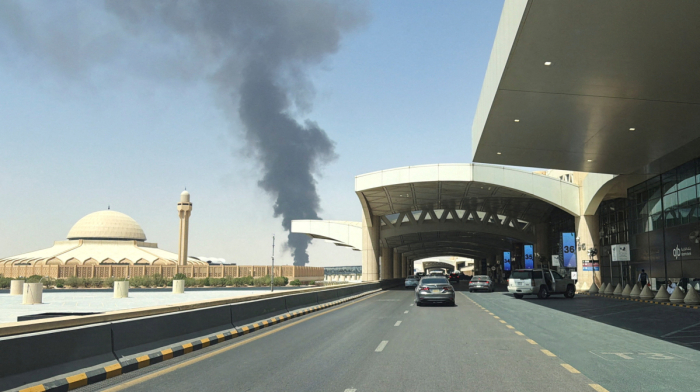
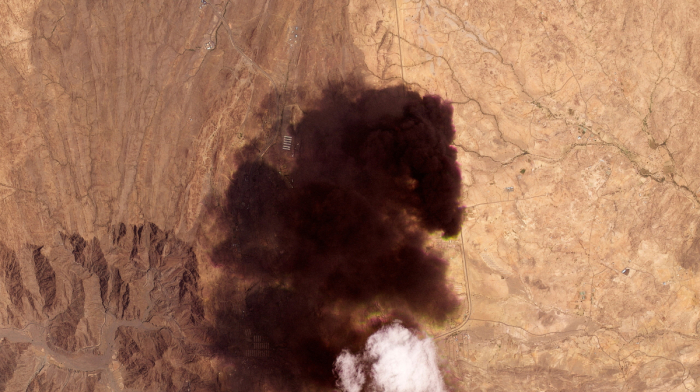
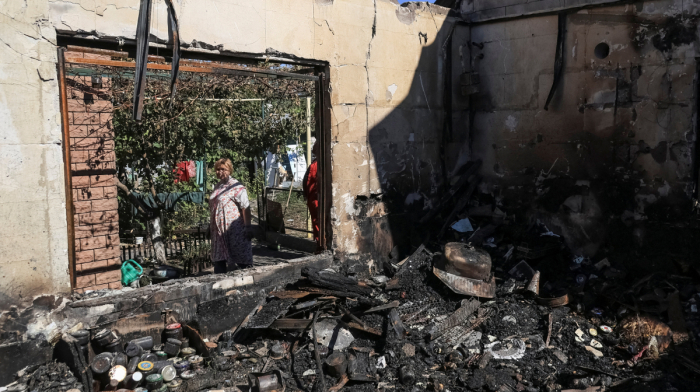
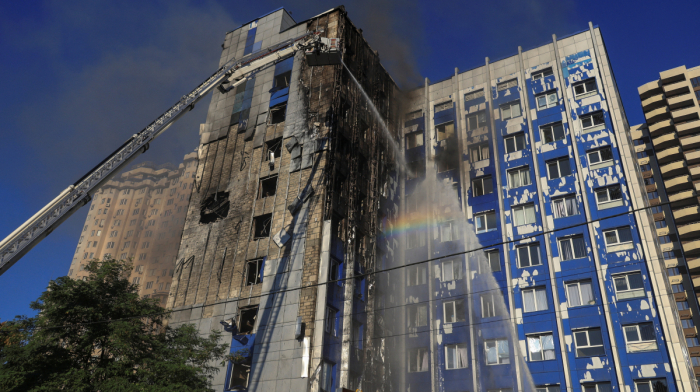
Strike near Nakhchivan raises fears of wider regional spillover in the South Caucasus
Tensions are rising in the South Caucasus after a reported strike near Azerbaijan’s Nakhchivan exclave, fuelling fears that instability linke...
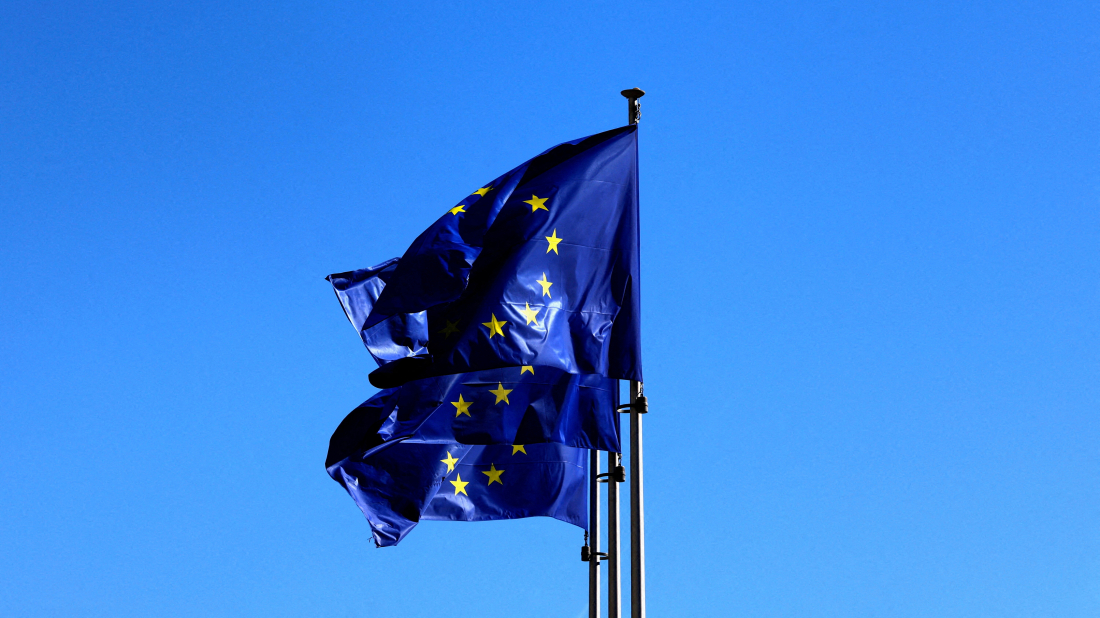
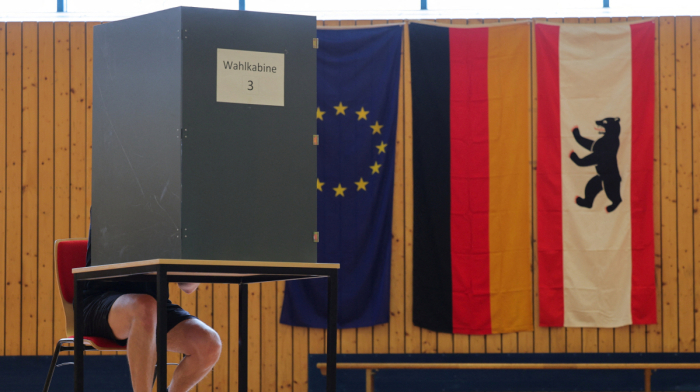
A new survey shows that trust in the European Union is at its highest level since 2007, with more than half of Europeans (52%) saying they trust the EU.
Young people, aged 15 to 24, are even more supportive, with 59% expressing trust. In contrast, only 36% of people say they trust their own national governments.
The survey, conducted across all 27 EU countries between late March and April, comes at a time of rising tension between the EU and the United States. Recently, U.S. President Donald Trump postponed a decision to impose major tariffs on EU goods, giving both sides more time to negotiate.
Support for the euro is also at a record high—74% of Europeans support the single currency, and that number rises to 83% in countries that use the euro. Still, people are split on how the EU economy is doing: 44% think it's in good shape, but 48% disagree. However, most believe things will stay the same over the next year.
The survey also found overwhelming support (81%) for a shared EU policy on security and defense. This comes just after the EU approved a massive €150 billion defense fund, driven by fears of a potential Russian threat and uncertainty about long-term U.S. support.
Backing for Ukraine also remains strong. About 77% of respondents see Russia’s invasion as a threat to Europe’s security, and 72% support the EU’s economic sanctions against Moscow.
Overall, the report shows that many Europeans are rallying behind the EU, especially in times of global uncertainty.

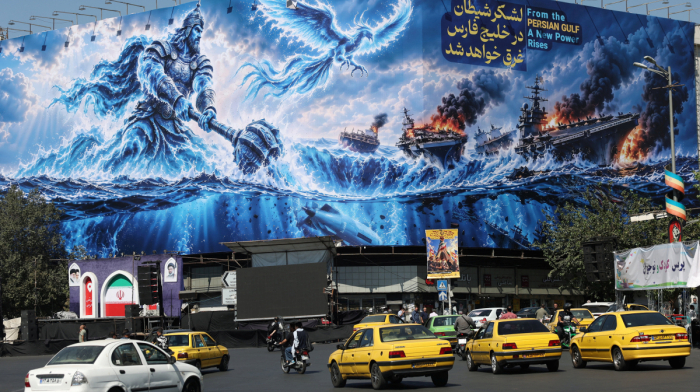
Tensions in the region remained high on Tuesday (10 March), as the United States and Iran exchanged increasingly sharp warnings, including threats over the strategic Strait of Hormuz, a critical artery for global oil supplies.
China has urged Afghanistan and Pakistan to resolve their dispute through dialogue after Chinese envoy Yue Xiaoyong met Afghan Foreign Minister Amir Khan Muttaqi, as fighting between the two neighbours entered its eleventh day.
Entry and exit across the state border between Azerbaijan and Iran for all types of cargo vehicles, including those in transit, will resume on 9 March, according to a statement by the Cabinet of Ministers of Azerbaijan.
Iranian civilian and military officials have pledged their obedience to the new leader, Ayatollah Seyed Mojtaba Khamenei, with President Masoud Pezeshkian saying his leadership “will herald a new era of dignity and authority for the Iranian nation.”.
Kazakhstan has evacuated more than 7,300 citizens from the Middle East since regional tensions escalated, using both air and land routes to bring nationals home while closely monitoring political developments and potential economic effects linked to rising oil prices.
Iran and Israel continue to exchange missile and drone strikes across the Middle East - all the latest updates throughout the day on AnewZ
U.S. Ambassador to the United Nations, Mike Waltz, has addressed the U.N. Security Council, saying the world must consider how effective its engagement with the Taliban-run country is as millions face hunger.
British MPs have rejected a proposal to introduce an Australia-style ban on social media for under-16s, opting instead to give ministers flexible powers to impose restrictions on platforms.
Australia has granted humanitarian visas to five Iranian women footballers who sought asylum, fearing persecution after refusing to sing their national anthem at an Asia Cup match.
Start your day informed with AnewZ Morning Brief. Here are the top news stories for the 10th of March, covering the latest developments you need to know.
You can download the AnewZ application from Play Store and the App Store.
What is your opinion on this topic?
Leave the first comment