live Israeli military says it has launched fresh strikes on Tehran and Beirut: All the latest news on the Iran strikes
The Israeli military has begun a new wave of strikes on Tehran, it said late on Monday. The strikes came after it issued...
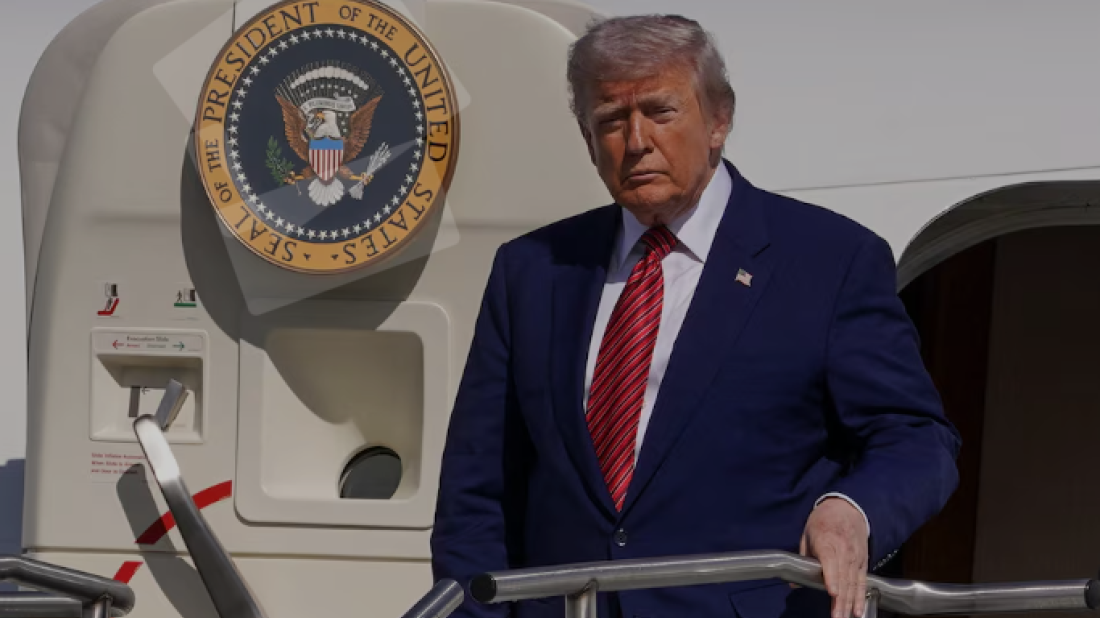
U.S. President Donald Trump's sharp remarks about both Vladimir Putin and Volodymyr Zelenskyy have prompted varied reactions — with the Kremlin attributing his words to emotional overload, and Zelenskyy describing Moscow’s recent actions as a political decision.
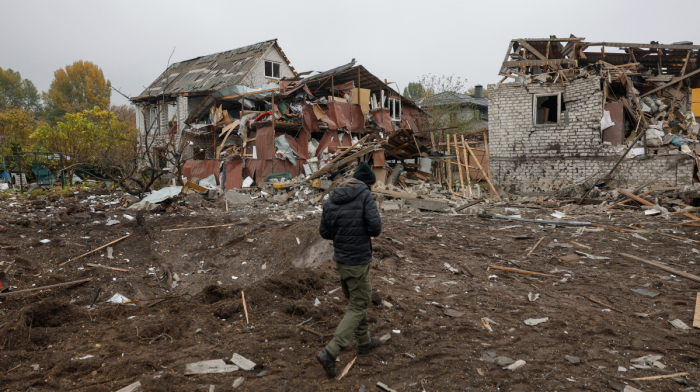
U.S. President Donald Trump has sharply criticized Russian President Vladimir Putin, calling him "absolutely crazy" over a wave of devastating airstrikes on Ukraine, and warned that such actions could bring about Russia's downfall. He also rebuked Ukrainian President Volodymyr Zelenskyy, claiming his rhetoric was escalating tensions.
The Kremlin responded to Trump's remarks by suggesting they were emotionally driven. “This is a very crucial moment… associated with the emotional overload of everyone,” said Kremlin spokesperson Dmitry Peskov. Despite the criticism, Peskov thanked Trump for his role in supporting peace talks.
Ukrainian President Volodymyr Zelenskyy did not directly respond to Trump’s comments but described the recent wave of Russian airstrikes as a political decision by Moscow. Zelenskyy called for stronger international measures to limit Russia’s military capabilities.

Follow the latest developments and global reaction after the U.S. and Israel launched “major combat operations” in Iran, prompting retaliation from Tehran.
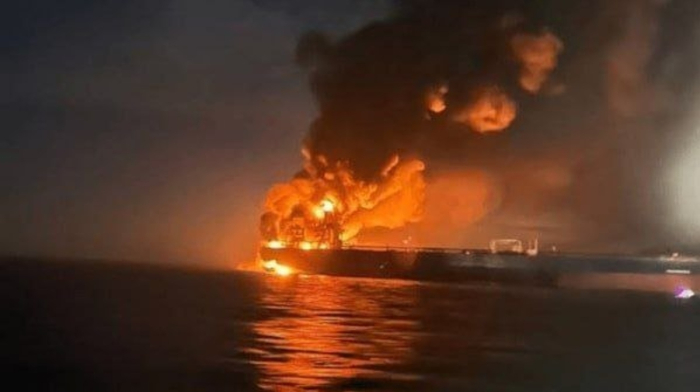
Saudi Arabia’s state oil giant Saudi Aramco closed its Ras Tanura refinery on Monday following an Iranian drone strike, an industry source told Reuters as Tehran retaliated across the Gulf after a U.S.-Israeli attack on Iranian targets over the weekend.
The Kremlin is utilising the recent United States and Israeli military strikes on Iran to validate its ongoing war in Ukraine. Russian officials are pointing to the escalation in the Middle East as evidence that Western nations do not adhere to international rules.
The Middle East crisis intensifies after the deadly attack on the compound of the Supreme Leader of Iran Ali Khamenei on Saturday that killed him, other family members and senior figures. Iran has launched retaliatory strikes on U.S. targets in the region.
Ayatollah Alireza Arafi has moved into a pivotal constitutional role following the death of Supreme Leader Ayatollah Ali Khamenei, becoming the clerical member of Iran’s temporary leadership council under Article 111 of the Constitution of the Islamic Republic of Iran.
At least 42 people have been killed and 104 wounded in fighting between Afghanistan and Pakistan, the United Nations Assistance Mission in Afghanistan (UNAMA) said on Tuesday. The latest death toll figures come as fighting between the two neighbours enters its sixth day.
U.S. first lady, Melania Trump chaired a UN Security Council meeting on children and education in conflict on Monday (2 March), a move criticised by Iran as hypocritical following U.S. and Israeli strikes that triggered a UN warning about risks to children.
Start your day informed with AnewZ Morning Brief. Here are the top news stories for the 3rd of February, covering the latest developments you need to know.
Canadian Prime Minister Mark Carney arrived in Australia on Tuesday (3 March), aiming to bolster relations between the two so-called "middle powers" amid what he has called a "rupture" in world order.
Former U.S. President Bill Clinton told lawmakers that President Donald Trump told him he had "some great times" with convicted sex offender Jeffrey Epstein before their relationship soured, according to a video released on Monday (2 March).
You can download the AnewZ application from Play Store and the App Store.
What is your opinion on this topic?
Leave the first comment