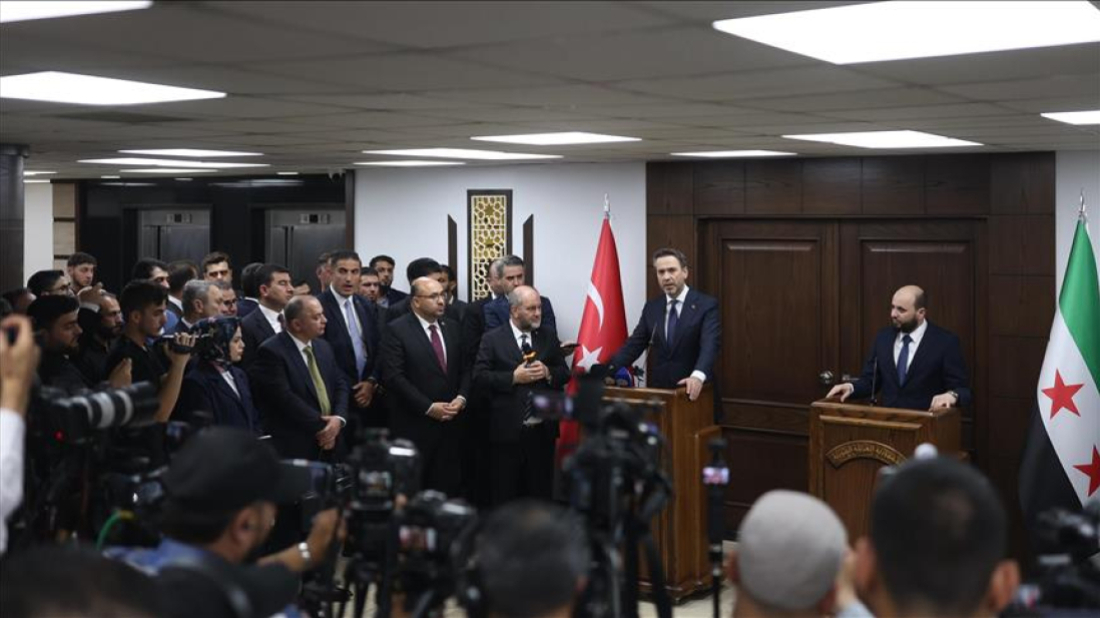
Türkiye will provide 2 billion cubic metres of natural gas per year to Syria under a new bilateral agreement aimed at jumpstarting Syria’s war-ravaged energy sector,Turkish Energy Minister Alparslan Bayraktar announced Thursday during a joint press conference in Damascus with his Syrian counterpart.
The deal marks a major step in the normalization of relations between Ankara and Damascus following the end of Syria’s 13-year civil war, which concluded this month with the ousting of longtime President Bashar al-Assad. Türkiye, a former backer of rebel forces during the conflict, is now positioning itself as a key partner in Syria’s reconstruction.
Bayraktar said the gas supplied from Türkiye will enable Syria to generate an additional 1,300 megawatts of electricity, significantly boosting the country’s power capacity. As part of the short-term plan, Türkiye will also provide 1,000 megawatts of electricity directly to help stabilize Syria’s battered grid.
Syrian Energy Minister Mohammed al-Bashir confirmed that both sides had agreed to reactivate a cross-border gas pipeline, with flows expected to begin as early as June. "This will significantly boost electricity generation, which will positively impact the Syrian people’s electricity needs," he stated.
The agreement also outlines the completion of a 400-kilovolt transmission line connecting the two nations, expected to be operational by the end of the year or shortly thereafter. The line will enable the import of up to 500 megawatts of electricity from Türkiye into Syria.
Beyond gas and electricity, the cooperation framework includes opening Syria to Turkish investment in key sectors such as mining, phosphate extraction, electricity generation, and power distribution. Bayraktar noted that Türkiye is also involved in “intensive work” to explore new oil and gas reserves, both onshore and offshore in the eastern Mediterranean region.
The comprehensive energy deal not only aims to alleviate Syria’s severe power shortages but also signals growing Turkish influence in the post-war economic and geopolitical landscape of the region. Analysts say the partnership could serve as a model for broader regional cooperation in Syria’s long path toward recovery.
Iranian President Masoud Pezeshkian arrived in New Delhi on Friday to attend the weekend BRICS summit, amid the ongoing U.S.-Iran conflict, joining a host of foreign dignitaries.
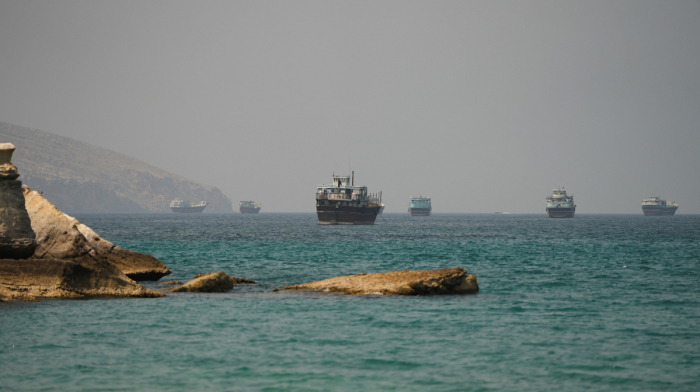
Maritime trackers received new reports of an attack on a ship in the Strait of Hormuz on Sunday, according to the UK Maritime Trade Operations (UKMTO), adding to concerns about energy supplies after Saudi Arabia shut down a vital oil pipeline on Saturday.
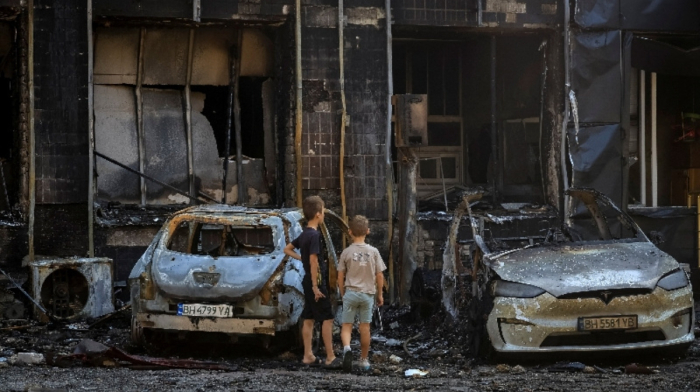
A Kyiv-Warsaw train was struck near the Polish border, Ukraine's state railway firm said on Sunday. No passengers were injured. Ukrainian Railways said that the country's railways were facing systematic attacks for a second day and warned of widespread delays.
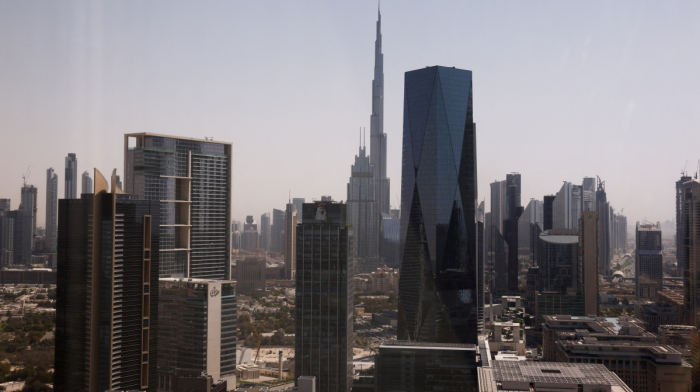
Saudi Arabia has temporarily shut down its 1,200-kilometre East-West oil pipeline after it was hit by a drone attack, with Riyadh and Baghdad saying the strike originated from Iraq.
A Kyiv-Warsaw train was struck near the Polish border, Ukraine's state railway firm said on Sunday. No passengers were injured. Ukrainian Railways said that the country's railways were facing systematic attacks for a second day and warned of widespread delays.
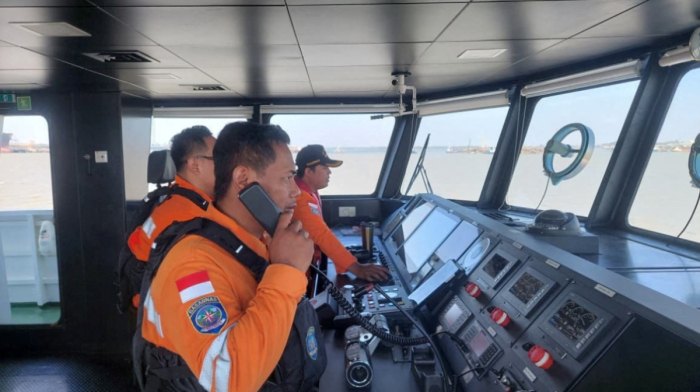
Indonesian rescuers are searching for 130 people after a passenger ship carrying 243 people sank in the Java Sea following bad weather, while 113 people have been evacuated and six have died, the country’s search and rescue agency said on Sunday.
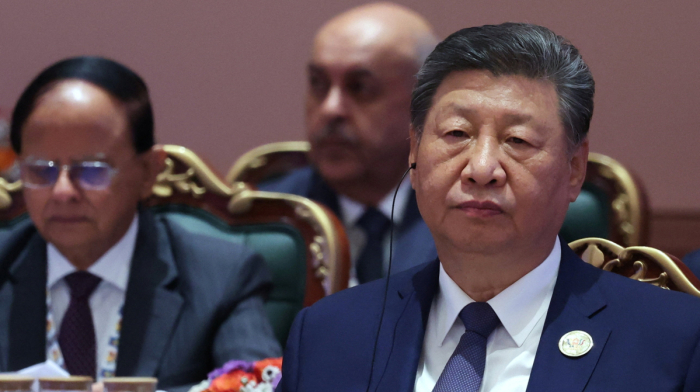
China will lead the creation of an open source platform among BRICS members to promote cooperation on large language models, Chinese President Xi Jinping said on Sunday.
Swedes vote in an election on Sunday (13 September) that could see the far-right enter government for the first time if the country's right-wing parties can form a majority.
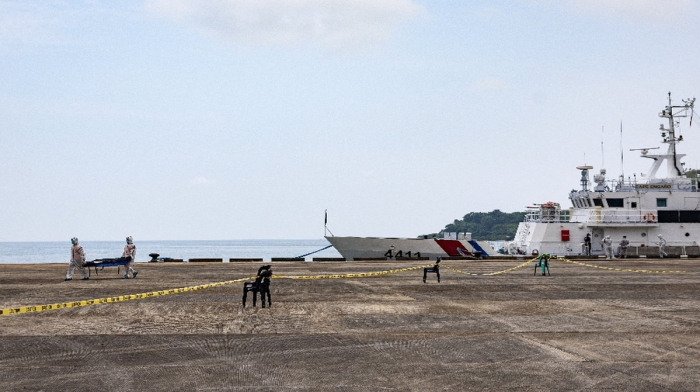
Philippine rescuers recovered 41 more charred remains from a ferry fire on Saturday (12 September), taking the death toll to 76, while 13 people remained unaccounted for as forensic teams worked to identify the victims.
Download the AnewZ app
You can download the AnewZ application from Play Store and the App Store.












What is your opinion on this topic?
Leave the first comment